Company Cars & Benefits
Octopus cuts fleet public EV charging costs by up to 30%
FleetBoost offers discounts at three charging networks through a monthly subscription, with Octopus expecting two sessions to cover the membership cost.

By Marcus Bell, Lifestyle & Motoring Editor ·
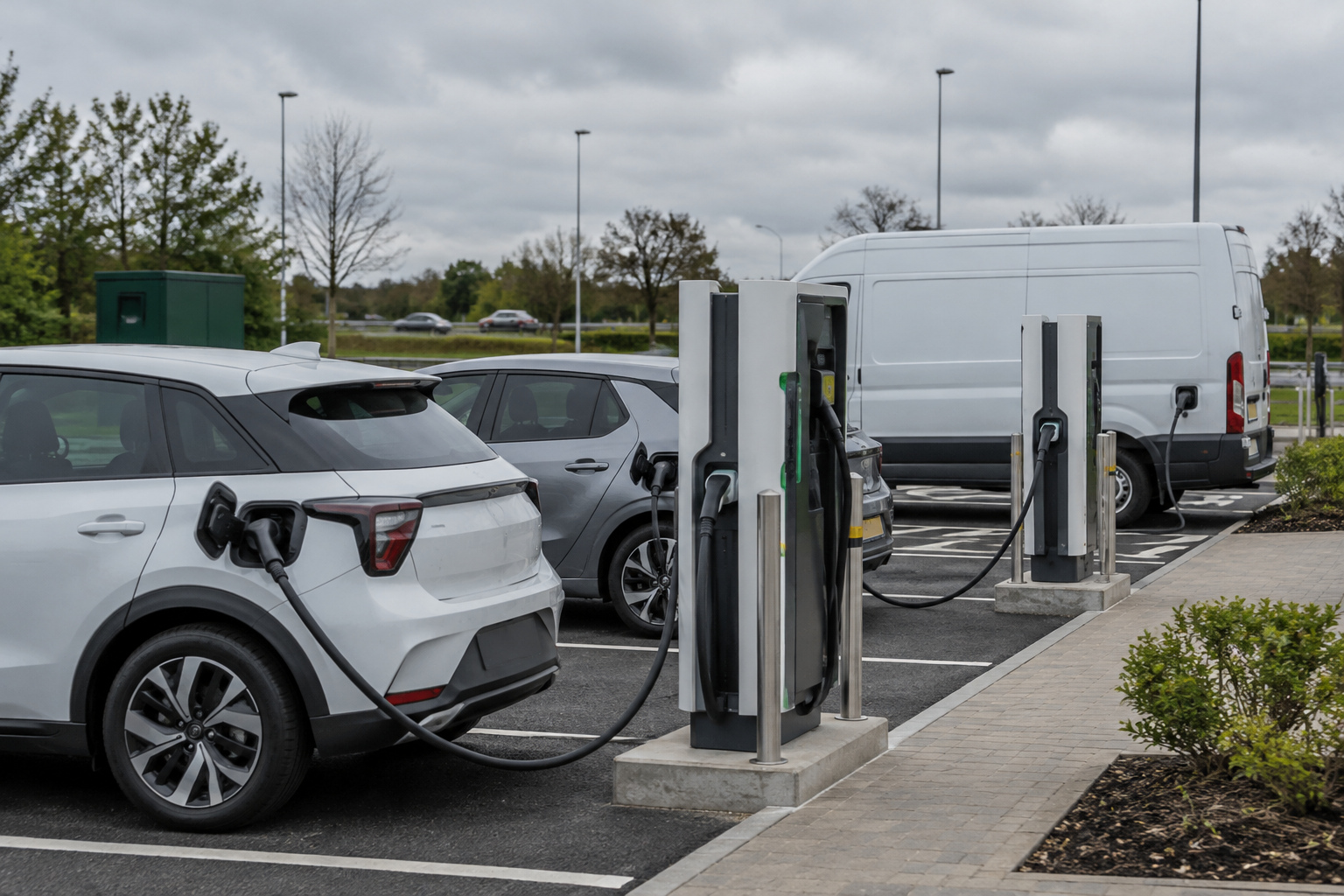
Octopus has secured discounts of up to 30% on public electric vehicle charging for UK fleets through FleetBoost, a monthly subscription charged per driver.
The offer is available at MFG EV Power, Ionity and Be.EV charging sites. Together, those networks put 99% of the UK within 14 miles of a participating location, as reported by Autocar.
What happened
FleetBoost sits within Octopus Fleet, a platform developed with Rightcharge to bring public charging payments, home charging reimbursement and fleet spending information into one service.
Drivers can use the platform to locate public chargers and pay for electricity. Discounted charging points are marked in the app, allowing users to identify participating sites when choosing where to stop.
For employees who charge their vehicles at home, the platform automates the process of claiming back electricity costs. Fleet managers can also see what their vehicles are spending on charging, rather than relying solely on individual drivers’ claims.
Octopus expects the subscription charge to be recovered through savings from two charging sessions. That is the company’s estimate: the advertised reduction is a maximum of 30%, rather than a uniform discount across all public chargers.
The background
The launch follows evidence that public charging takes a disproportionate share of fleet electricity budgets. Rightcharge reported that it represented 27% of charging sessions in 2025 but accounted for 57% of the money fleets spent on electricity.
At the most expensive networks, electricity can cost 93p per kWh. Drivers using a home tariff with low overnight rates can pay less than 7p per kWh, leaving businesses exposed to substantially different bills depending on where their vehicles are plugged in.
That gap sits alongside wider fleet interest in cleaner vehicles driven by fuel costs. For electric fleets, access to lower-priced charging is a separate consideration from the decision to replace a petrol or diesel vehicle.
The figures cited for a Tesla Model Y put its running cost between 1.5p and 21p per mile, depending on the charging location. By comparison, the latest HM Revenue & Customs mileage rates cited in the report are 16p per mile for an equivalent diesel car and 17p for a petrol model. Those mileage rates are a benchmark, not a guarantee of an individual vehicle’s costs.
Electricity is not the only operating expense facing commercial fleets. A separate AA assessment puts van downtime at £1,172 a day, underlining the distinction between reducing energy bills and keeping vehicles available for work.
What people are saying
Octopus said fleets provide a dependable flow of vehicles to charging sites. That regular demand helped it negotiate lower prices with the participating operators by offering the prospect of more consistent charger use.
Matt Davies, founder of Octopus Fleet, said businesses needed charging that was affordable, dependable and straightforward for drivers. He presented the combination of major charging networks and fleet management services as a way to support the switch to electric commercial vehicles.
ChargeUK, which represents charging point operators, attributes the public-versus-home price gap to high energy costs, standing charges and different VAT treatment. Public charging attracts VAT at 20%, compared with 5% on domestic energy.
Tax treatment is also being scrutinised elsewhere in the company car market, through calls for changes to electric company car taxation in the Budget. FleetBoost provides a negotiated commercial discount rather than a change to the taxes applied to charging.
What happens next
Octopus hopes to add further charging networks over the coming months. Those additions remain prospective; the discounts currently cover MFG EV Power, Ionity and Be.EV.
Why this matters
For businesses running electric cars and vans, charging location can materially affect operating costs. Rightcharge’s figures show public charging accounted for more than half of fleet electricity spending despite representing just over a quarter of sessions. FleetBoost offers a way to reduce that exposure, but directors assessing the subscription need to consider drivers’ use of participating networks and access to cheaper home charging. Octopus’s two-session payback estimate provides a starting point rather than a guaranteed saving.
Frequently asked questions
- What is Octopus FleetBoost?
- FleetBoost is a monthly per-driver subscription offering fleets discounts of up to 30% on participating public EV chargers. It is available through Octopus Fleet, a platform developed with Rightcharge.
- Which charging networks offer FleetBoost discounts?
- FleetBoost discounts are available at MFG EV Power, Ionity and Be.EV chargers. Octopus hopes to bring additional networks into the service over the coming months.
- How much can fleets save with Octopus FleetBoost?
- Octopus has negotiated reductions of up to 30% on participating public charging networks. It expects savings from two charging sessions to cover the monthly subscription cost.
- Where are FleetBoost charging sites available?
- The three participating networks put 99% of the UK within 14 miles of a FleetBoost charging site. Discounted chargers are highlighted in the app.
- Does Octopus Fleet handle home charging expenses?
- Octopus Fleet automates reimbursement for drivers charging at home. The platform also supports public charger searches and payments, while giving fleet managers an overview of charging expenditure.
- Why is public EV charging more expensive than home charging?
- ChargeUK points to high energy prices, standing charges and VAT. Public charging attracts 20% VAT, compared with 5% for domestic energy. The source cites public prices reaching 93p per kWh, against home overnight tariffs below 7p.
In this story
Follow-up coverage
- Company Cars & Benefits
Volkswagen caps charging at 80% for 5,000 UK cars over fire risk
- Company Cars & Benefits
Geely targets 46,000 UK sales as fleet team doubles
- Cars for Business Owners
BMW launches £54,925 i3 with up to 566 miles of range
- Company Cars & Benefits
Company car tax rises draw fleet criticism after Budget
- Logistics & Fulfilment
Healey extends fuel duty freeze and pledges £100m for EV charging
Topics: Octopus FleetBoost · Octopus fleet charging discounts · public EV charging costs · electric fleet charging subscription · company car charging reimbursement · electric van charging costs · All Company Cars & Benefits news →
Original reporting: Autocar. This article is an independent write-up by British Business Echo.
Latest from the newsdesk
- E-commerce
Meta launches Muse shopping agent with major UK retailers
- Funding & Business Finance
British Business Bank takes £43m Oxford Science Enterprises stake
- Business Mistakes / Lessons Learned
Next business data accessed in supplier cyberattack
- Business Growth
UK pork producers secure Vietnam access and Philippines deal
- Business Regulation
HSE tools help small firms check health and safety duties
Related stories
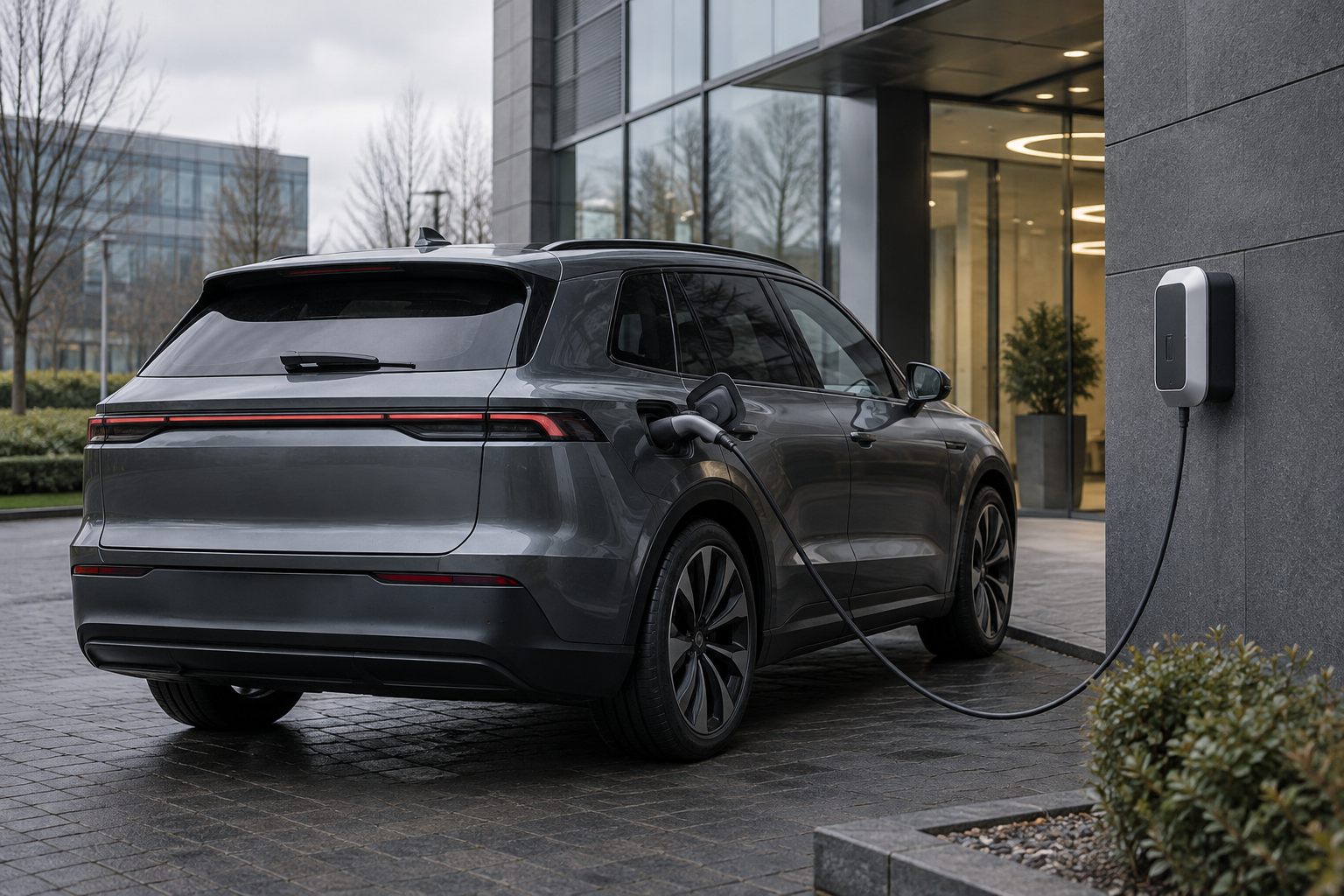
Range Rover Electric offers £19,000 company car tax saving
The £154,070 electric SUV carries a higher purchase price than the V8, but lower benefit-in-kind rates cut bills for drivers and employers.
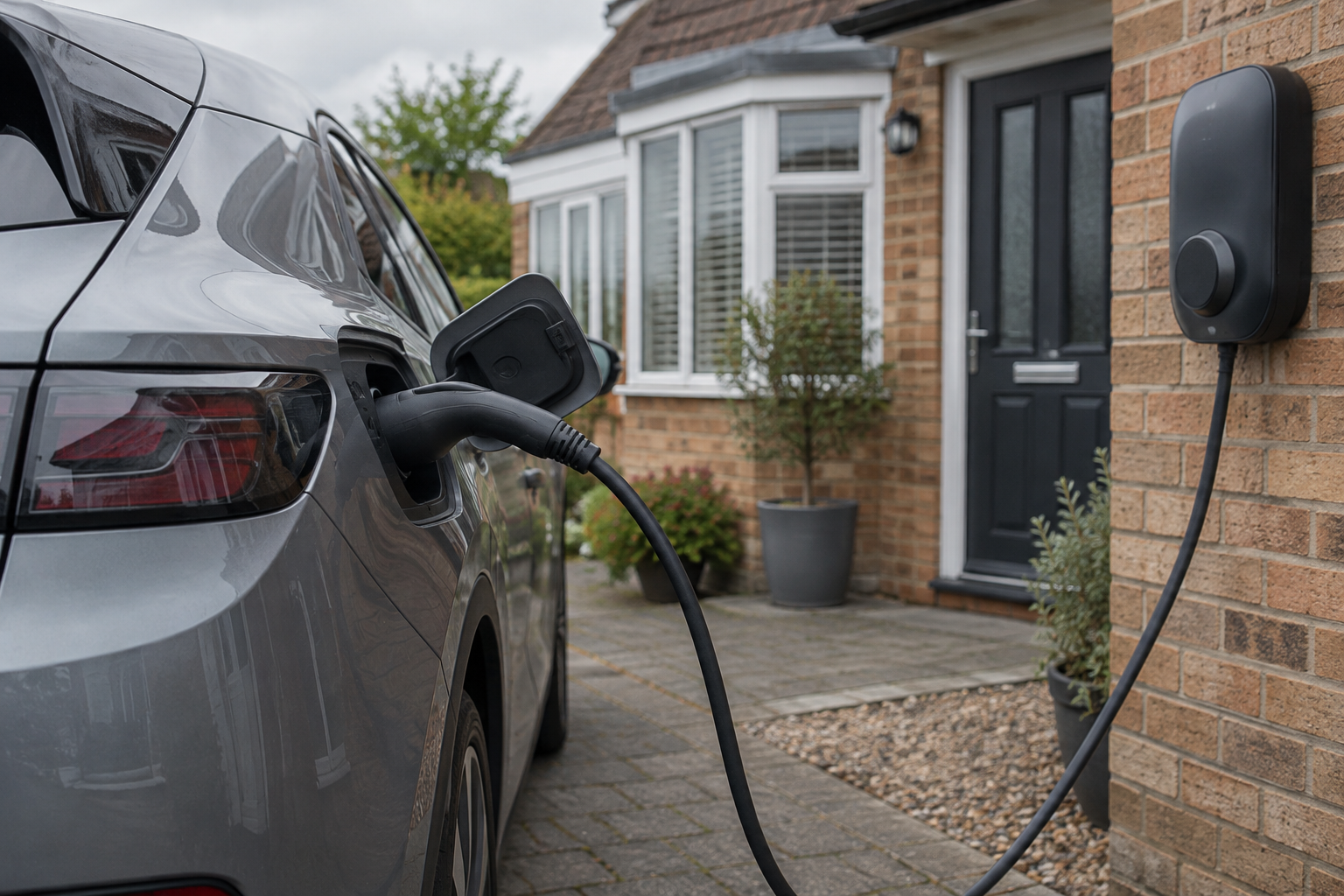
Cubic3 survey exposes gaps in EV charging expense checks
Almost half of surveyed fleets rely on drivers to report home charging costs, while 48% have received expense claims they could not verify.
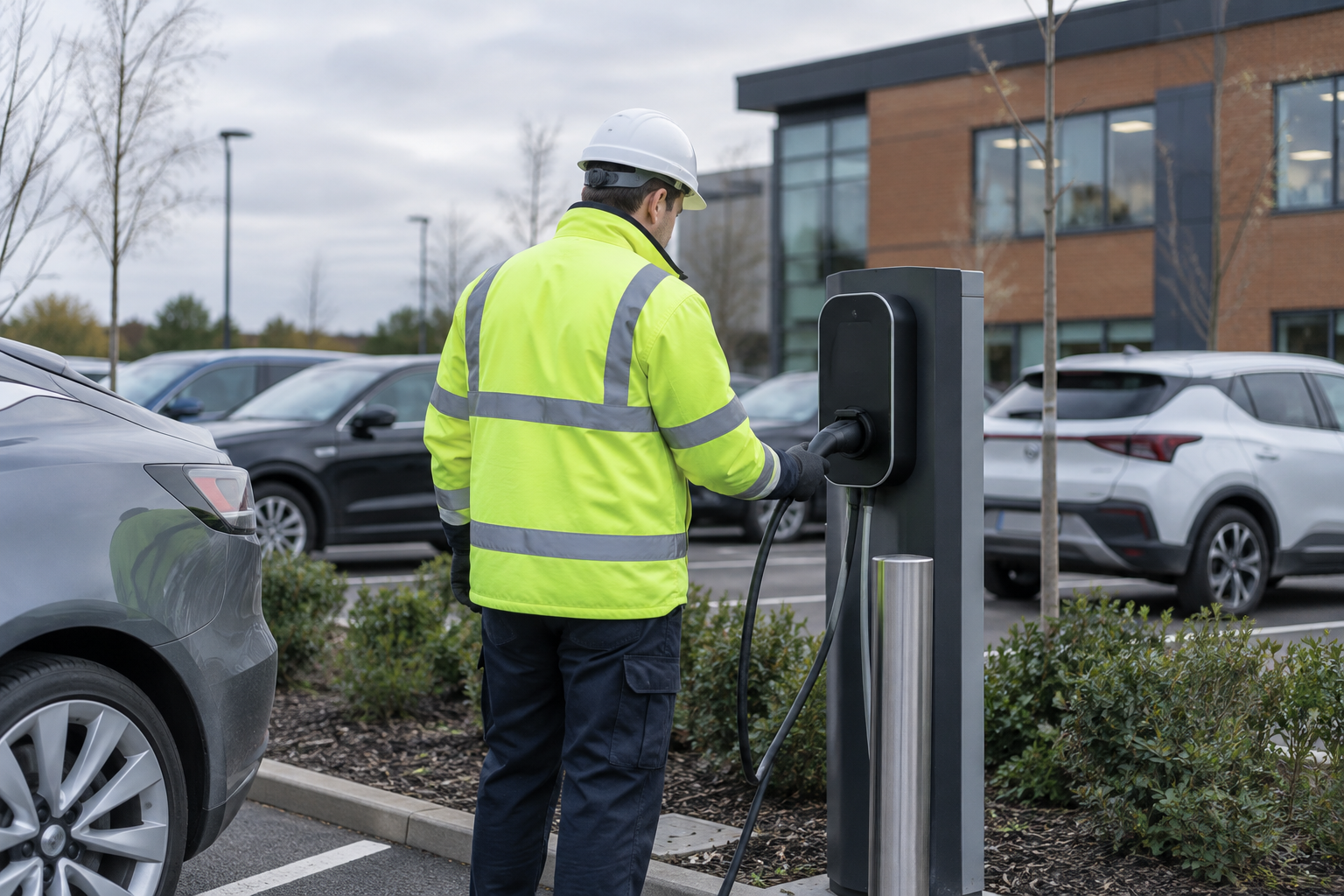
Safer Charging warns of unchecked private EV chargers
The maintenance firm says ageing home and workplace chargers risk going unchecked, while ministers rule out extending public-network regulations.
Ayvens and Fellten offer fleet chargers to bypass grid delays
The partners will use battery-backed charging units to help workplaces with limited power supply and cut reliance on costly public networks.