Cars for Business Owners
BMW launches £54,925 i3 with up to 566 miles of range
The electric 3 Series arrives with a large battery and 400kW peak charging, while cheaper versions are set to follow.

By Marcus Bell, Lifestyle & Motoring Editor ·
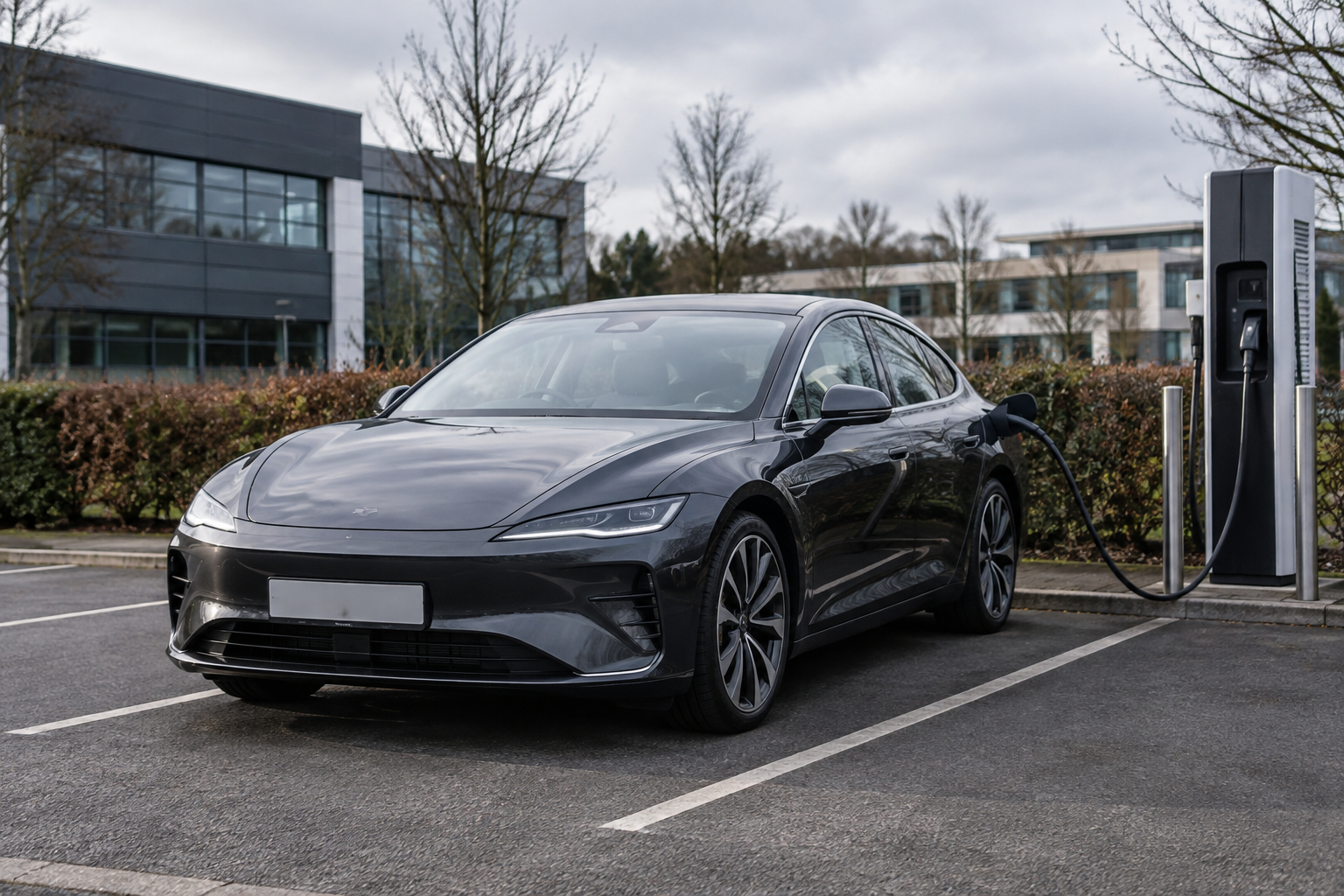
BMW has launched its new i3 electric saloon alongside the combustion-engined 3 Series, with the i3 50 priced from £54,925 and an official range of 514–566 miles. The compact executive model gives UK business buyers an electric alternative within the same model family, with less powerful, cheaper versions due later.
An initial road test by Autocar recorded efficiency of 3.77 miles per kWh over 120 miles of mixed driving, including winding roads. That result sits below the published efficiency range of 3.9–4.6 miles per kWh, an important distinction for buyers assessing the car against their own journeys.
What happened
The launch version combines four-wheel drive with a 108.7kWh usable battery and total output of 462bhp and 476lb ft. Acceleration from rest to 62mph takes 4.7 seconds, putting substantial performance alongside the car’s long-distance capability.
BMW uses a separately excited synchronous motor at the rear and an asynchronous motor at the front. Their individual outputs are 322bhp and 165bhp, but they do not deliver their maximum power simultaneously, so those figures cannot simply be added to establish the car’s combined output.
Charging peaks at 400kW. That is a maximum power figure rather than a stated charging duration: the source provides neither a charging curve nor a timed battery top-up, leaving those details outside the initial assessment.
For businesses using public chargers, charging speed and the price paid for electricity are separate considerations. The launch comes alongside changes elsewhere in the fleet market, including reductions in public EV charging costs.
The battery housing also serves as part of the car’s structure, with its upper surface forming the cabin floor. Front suspension uses MacPherson struts, while the rear has a five-link arrangement; the launch specification has passive rather than adaptive dampers.
At 4,760mm long and 1,865mm wide, the i3 is 5mm shorter and 15mm wider than its combustion-engined counterpart. Despite carrying its battery beneath the cabin, it is only 25mm taller, at 1,480mm, and has a 2,897mm wheelbase.
The background
The i3 is BMW’s second Neue Klasse model, following the iX3 SUV, and uses the manufacturer’s new electric-vehicle architecture. It shares the SUV’s battery capacity but puts that technology into a lower saloon body rather than another high-riding model.
Its drag coefficient is 0.21, lower than that of the combustion-engined 3 Series. That aerodynamic result forms part of the engineering behind the car’s range, although BMW has not pursued the lowest possible roofline at the expense of passenger accommodation.
For owner-directors and fleet decision-makers, the purchase price also sits within a changing company-car environment. Separate fleet criticism of company-car tax rises underlines why a vehicle’s advertised price alone does not establish its cost as a business car; the review gives no i3-specific tax calculation.
Inside, a panoramic digital instrument display replaces the need to read instruments through the steering wheel. This has allowed BMW to position the wheel lower, contributing to a more open-feeling cabin rather than reproducing the traditional 3 Series driving position exactly.
A thin, low-mounted seat base helps preserve headroom above the battery. The tester found space above occupants’ heads adequate in both rows and rear accommodation broadly acceptable, although room for rear passengers’ feet was restricted. Boot capacity is 420 litres.
What people are saying
Mike Reichelt, BMW’s Neue Klasse boss, said a more steeply sloping roof could have reduced aerodynamic drag further. BMW instead retained rear headroom and a closer visual relationship between the electric and combustion-engined saloons, making passenger space and family resemblance explicit design priorities.
Reichelt identified range, charging speed, infrastructure and price as four obstacles for potential electric-car buyers. His position is that the i3 addresses the first two, while access to charging still varies according to where a customer lives.
The road tester judged cabin materials favourably for the class but criticised the reliance on BMW’s latest touchscreen and operating system. The missing iDrive rotary controller was a particular concern, because there is no thumb or wrist support to steady a hand when using the screen while moving.
BMW’s explanation is that the rotary controller suited scrolling through lists better than navigating an app-based interface. The company also says owners do not miss it, a position the reviewer disputed rather than accepting the touchscreen as an unqualified improvement.
On the road, the assessment highlighted smooth initial acceleration through the single-speed reduction gear and carefully calibrated accelerator response. Regenerative braking offers adaptive operation and selectable levels from low to high, while additional software helps bring the car to a gentle halt. Drivers can also choose whether to use an artificial acceleration sound.
The tester found the steering precise, body roll limited and body movements generally well controlled. The lower body gave the saloon an advantage over the iX3 for enthusiastic driving, although the reviewer stopped short of a definitive class comparison without testing rivals on the same road.
There were qualifications over ride comfort. At low speeds, the i3 felt less supple than the combustion-engined 3 Series, while poor surfaces taken at speed exposed its 2.2-tonne kerb weight. The assessment therefore distinguished its strengths as an electric saloon from the more engaging character of its combustion-powered sibling.
What happens next
BMW plans to expand the range with slower, cheaper versions, but the source gives no prices, specifications or launch dates for them. An adaptive suspension option is also expected, without a confirmed introduction date or additional cost.
Buyers comparing those future versions with other electric cars will also need to distinguish manufacturer pricing from support available elsewhere in the market. The separate Electric Car Grant price reductions concern eligible vehicles; the i3 review makes no claim that this BMW qualifies for a grant.
Why this matters
For business owners choosing an executive company car, the i3 combines a £54,925 starting price with substantial claimed range and rapid-charging capability. The initial test’s lower efficiency result makes journey-specific assessment important, while local charging access remains a constraint identified by BMW itself. Cheaper versions could widen the choice, but without their prices or arrival dates, buyers cannot yet make a firm comparison across the full planned range.
Frequently asked questions
- How much does the new BMW i3 cost?
- The BMW i3 50 starts at £54,925. BMW plans cheaper, less powerful versions, but their prices and launch dates are not given.
- What is the range of the new BMW i3?
- The BMW i3 has an official range of 514–566 miles. The initial road test recorded 3.77 miles per kWh over 120 mixed miles, rather than measuring a full battery’s driving range.
- How fast can the BMW i3 charge?
- The BMW i3 supports peak charging of 400kW. The review does not provide a timed charging session or a charging curve.
- Is the new BMW i3 four-wheel drive?
- The i3 50 has four-wheel drive, using front and rear electric motors. Combined output is 462bhp and 476lb ft, with 0–62mph taking 4.7 seconds.
- How big is the new BMW i3 boot?
- The BMW i3 has a 420-litre boot. The review found adequate front and rear headroom, although space for rear passengers’ feet was restricted.
- Does the new BMW i3 have an iDrive controller?
- The new i3 does not have the previous rotary iDrive controller. It uses BMW’s latest touchscreen and operating system alongside a panoramic digital instrument display.
- Will there be a cheaper BMW i3?
- BMW says less powerful, cheaper i3 versions will follow. The source does not confirm their specifications, prices or introduction dates.
In this story
Follow-up coverage
Topics: BMW i3 · new BMW i3 price UK · BMW i3 range · BMW i3 50 · BMW i3 charging speed · electric BMW 3 Series · BMW i3 company car · All Cars for Business Owners news →
Original reporting: Autocar. This article is an independent write-up by British Business Echo.
Latest from the newsdesk
- E-commerce
Meta launches Muse shopping agent with major UK retailers
- Funding & Business Finance
British Business Bank takes £43m Oxford Science Enterprises stake
- Business Mistakes / Lessons Learned
Next business data accessed in supplier cyberattack
- Business Growth
UK pork producers secure Vietnam access and Philippines deal
- Business Regulation
HSE tools help small firms check health and safety duties
Related stories
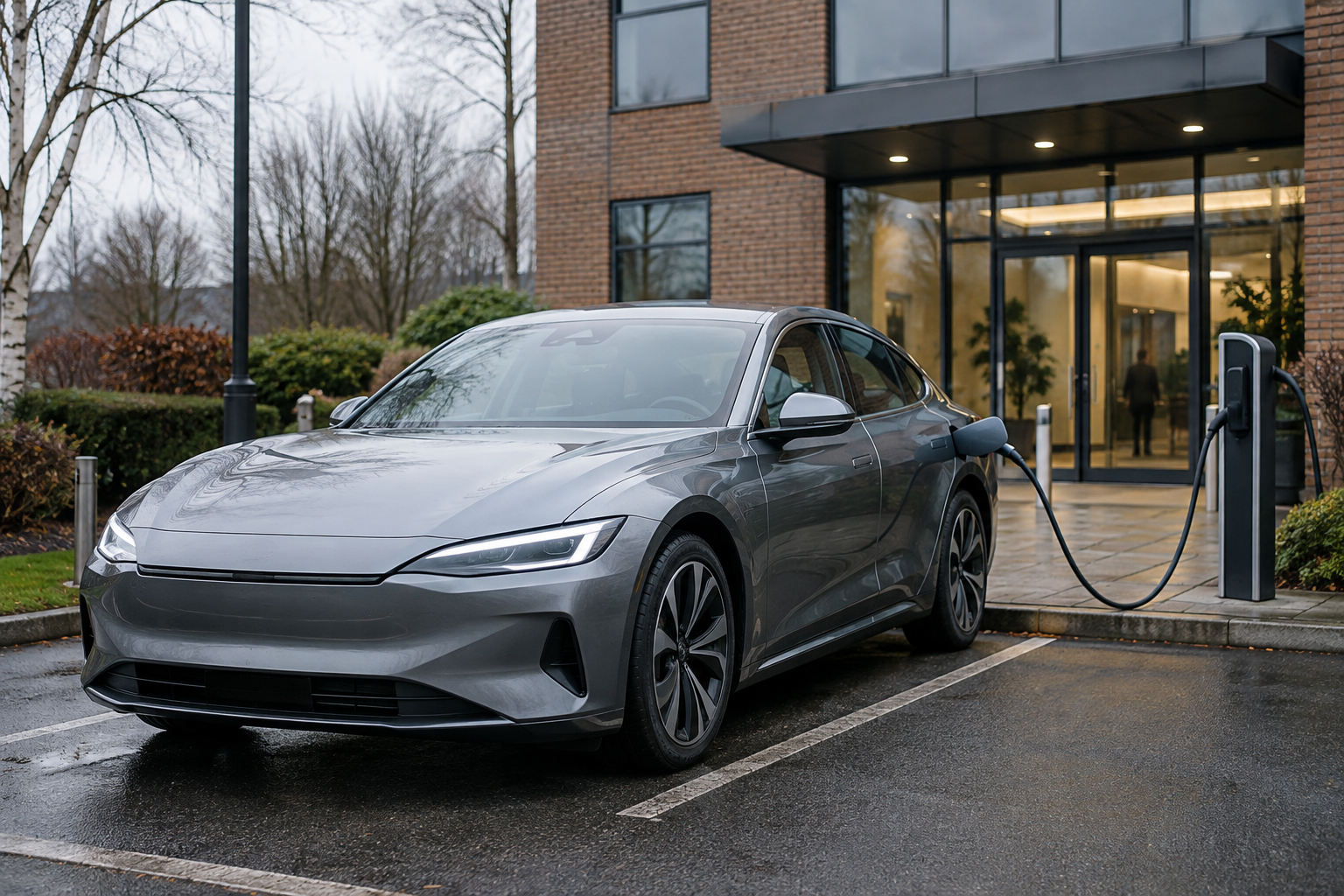
BMW i3 M Sport priced from £54,925 as range reaches 519 miles
BMW’s electric executive saloon pairs long-range capability with low company-car tax, but options and wheel choice affect the buying calculation.
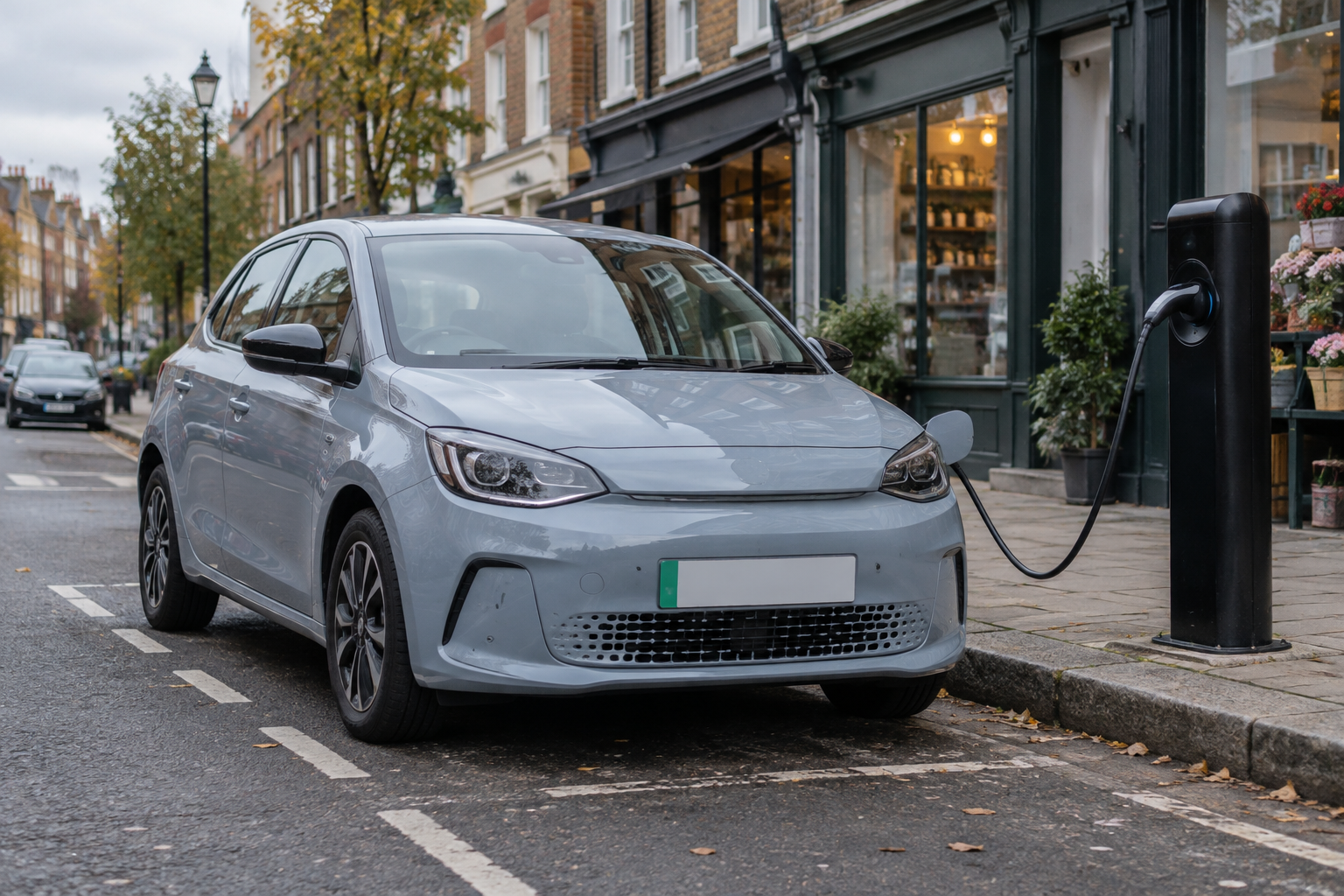
Renault Twingo to cost £14,745 after UK electric car grant
A £3,750 government grant brings the electric Renault Twingo's starting price level with the petrol Dacia Sandero.
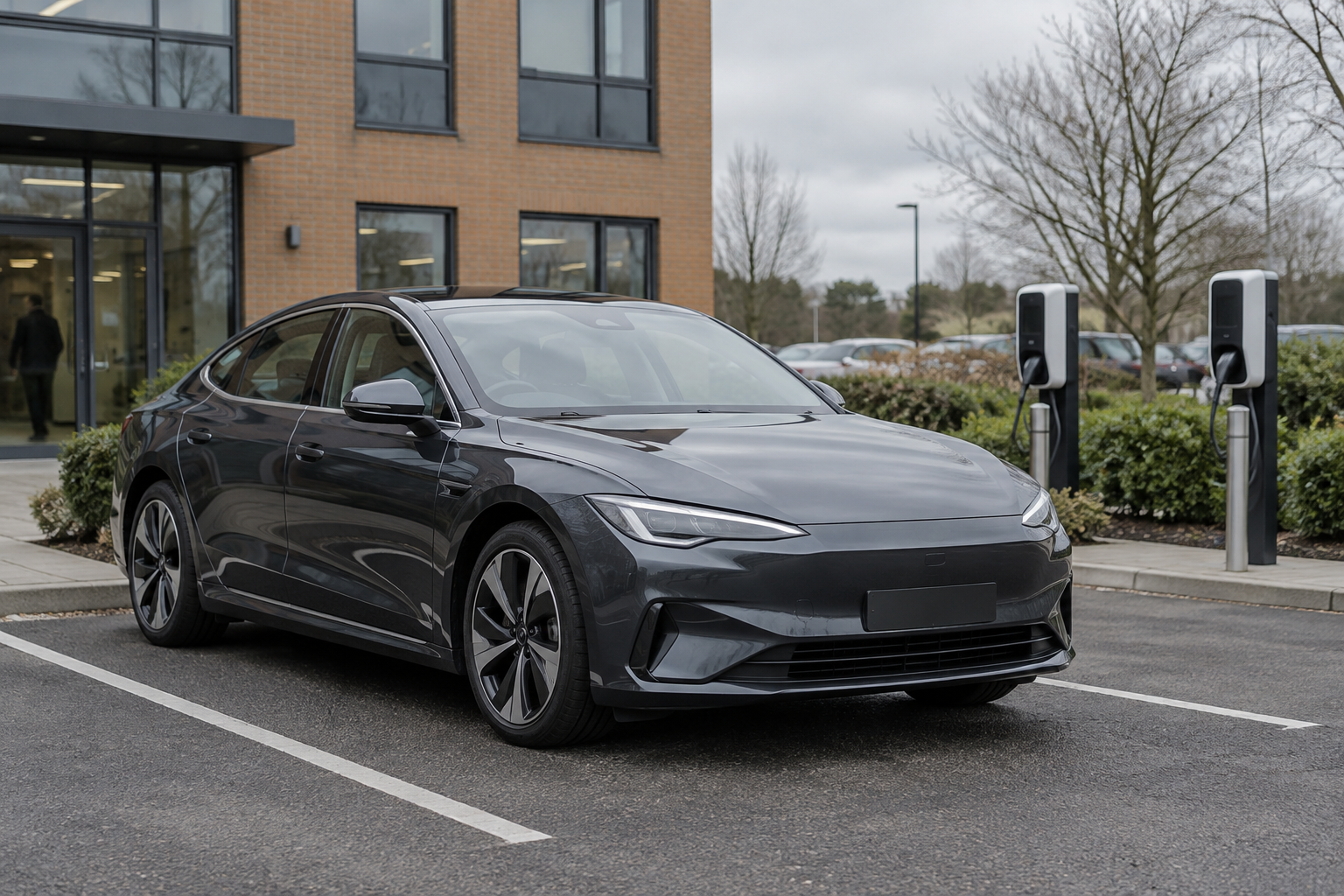
Hyundai Ioniq 6 starts at £33,240 after grant-backed price cut
The updated electric saloon offers up to 423 miles of official range, with revised trims securing the full £3,750 Electric Car Grant.
Skoda Octavia comparison exposes diesel’s shrinking cost advantage
Higher diesel prices weaken the Octavia’s fuel-economy advantage, although towing performance and monthly finance payments complicate the choice.