Cars for Business Owners
Electric Car Grant cuts eligible UK EV prices by up to £3,750
The £650m scheme reduces the cost of eligible electric cars, with battery choice and production emissions determining the discount.

By Marcus Bell, Lifestyle & Motoring Editor ·
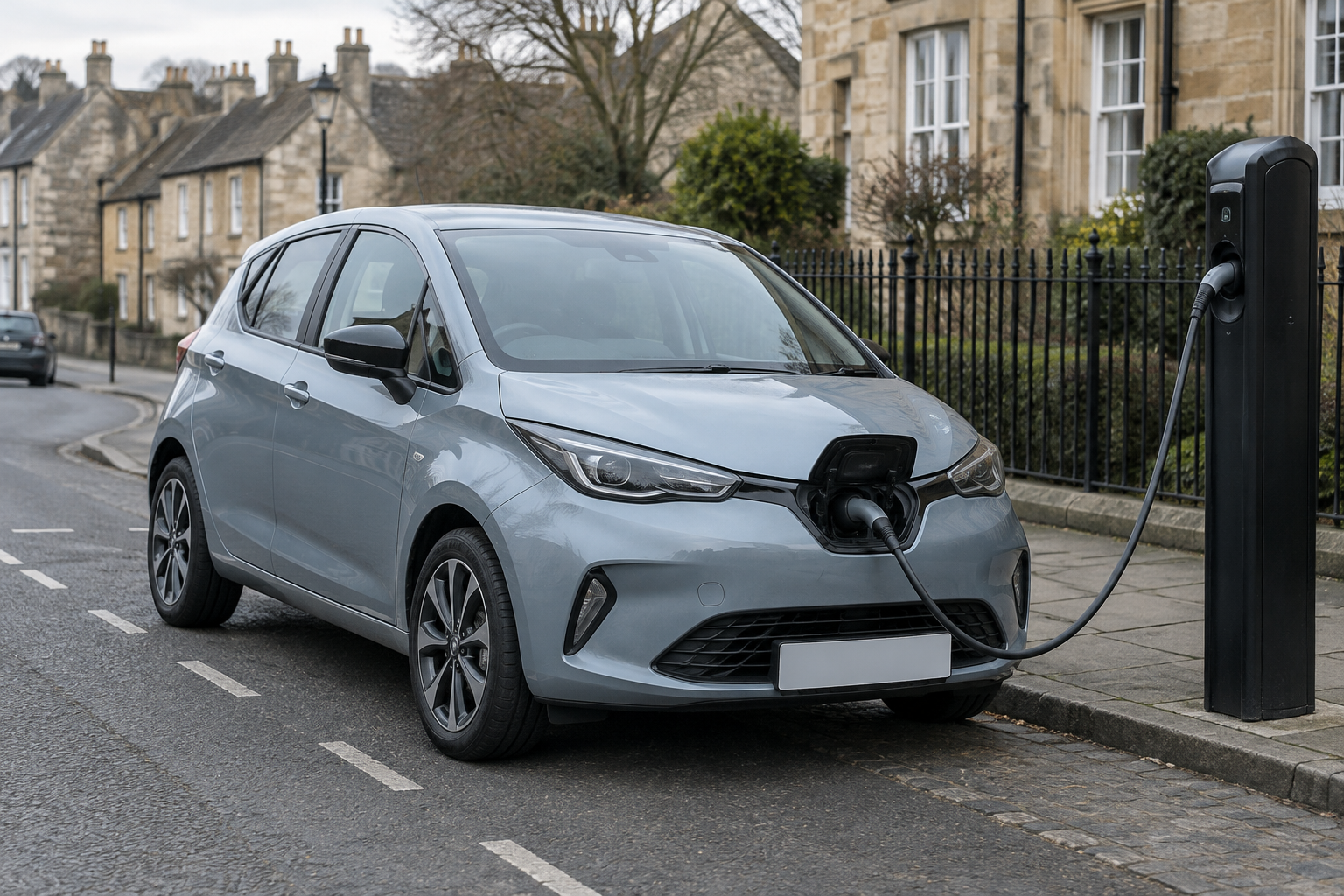
The UK government’s £650m Electric Car Grant is cutting the purchase price of eligible electric cars by £1,500 or £3,750, with the Sunderland-built Nissan Leaf among models receiving the higher discount. The scheme began rolling out in July 2025 and covers vehicles ranging from small hatchbacks to passenger-carrying vans.
The Leaf is listed at £32,249 after support, against an original price of £35,999. Its qualifying Engage version has a 75kWh battery, a claimed range of 386 miles and standard equipment including a heat pump.
What happened
The grant targets lower-priced electric vehicles, generally restricting eligibility to cars below £37,000, although the ceiling reaches £42,000 in some cases. Manufacturers must also demonstrate that their vehicles meet requirements covering real-world range, sustainability and long-term warranty protection.
The two payment bands reflect production emissions rather than simply the vehicle’s retail price. Assessment includes battery manufacturing, vehicle assembly and the carbon intensity of electricity generation in the country where production takes place.
Autocar’s eligibility guide lists qualifying vehicles and their prices after support. For buyers, the distinction between the £3,750 and £1,500 bands means a £2,250 difference in assistance, making the precise battery version relevant to purchasing decisions.
The Fiat 500e provides one example of the lower acquisition costs available: its listed price falls from £20,995 to £17,245 with the higher grant. The Abarth 500e also receives £3,750, taking its price from £27,995 to £24,245.
Ford’s Puma Gen-E moves from £28,999 to £25,249 after the same discount. The manufacturer claims approximately 233 miles of range and charging capability of up to 100kW, giving buyers separate measures to consider alongside the purchase price.
For businesses requiring more carrying space, the five-seat Ford E-Tourneo Courier is listed at £29,940 after support, down from £33,690. It offers up to 2,162 litres of cargo capacity, although its stated range is shorter at 177 miles.
The background
Manufacturers have also changed their own pricing to secure eligibility. Nissan reduced the Ariya’s price by £6,000, bringing its listed starting price to £35,000 before the £1,500 grant and £33,500 afterwards.
Qualifying Ariyas are front-wheel-drive models with either a 63kWh or 87kWh battery. The stated maximum range is 310 miles, distinguishing that choice from the longer-range Leaf despite their relatively close prices after support.
The grant sits alongside further planned competition at the affordable end of the market, including the Leapmotor B03’s proposed UK arrival in 2027 at below £25,000. That is a future pricing proposition, rather than a model identified as eligible in the grant guide.
Renault’s revived small-car range illustrates why model names alone do not establish the available discount. The Renault 5 comes with 40kWh and 52kWh batteries, but the larger version receives the full £3,750. Its listed price falls from £27,695 to £23,945, with a claimed maximum range of 250 miles.
The Nissan Micra shares much of its underlying engineering with the Renault 5 and also offers 40kWh and 52kWh batteries. Its 52kWh version qualifies for the higher payment, reducing the listed price from £26,995 to £23,245; official range reaches 260 miles.
Kia’s EV2 appears in both grant bands. Long Range models, with a stated range of up to 281 miles, qualify for £3,750, while a separate entry shows a £1,500 reduction from £28,495 to £26,995. The two entries therefore should not be treated as interchangeable quotations for the same specification.
The detail
Larger SUVs also qualify for the higher payment. The Renault Scenic is listed at £33,245 after the grant, against £36,995 before it. Its 87kWh battery supports an official range of up to 379 miles, while luggage capacity is 545 litres.
BMW’s iX1 and iX2 each have a listed original price of £37,065 and an after-grant price of £33,315. A technical update has increased the iX1 eDrive20’s official range from 293 to 318 miles.
The £1,500 band includes less expensive options as well as larger cars. Citroën’s ë-C3 falls from £22,095 to £20,595, with a 44kWh battery and approximately 199 miles of stated range. Its equipment includes heated seats and smartphone connectivity.
The larger ë-C3 Aircross is listed at £21,595 after support, down from £23,095. The model range includes a seven-seat option and a larger battery offering a claimed 247 miles, although those features should not be assumed to come together at the listed entry price.
Citroën’s ë-C4 costs £26,150 after the lower-band grant and has a stated range of 257 miles from a 54kWh battery. The related ë-C4 X is listed at £27,215 after support and offers a 510-litre boot, 130 litres more than the hatchback.
Passenger-carrying vehicles bring different capacity and range trade-offs. The Citroën ë-Berlingo is listed at £29,740 after support, with a 775-litre boot and an official range of 213 miles. An XL version offers seven seats.
Kia’s PV5 receives the £1,500 grant, reducing its listed price from £32,995 to £31,495. The larger-battery version qualifies and offers a stated 256-mile range, making battery specification relevant for buyers assessing longer working journeys.
For hatchback and estate buyers, the Peugeot e-308 range is listed from £34,960 after support. The hatchback has 361 litres of luggage space, compared with 508 litres in the SW estate, while Peugeot quotes 267 miles of range from the 54kWh battery.
The Kia EV3 is listed at £31,555 after the grant, down from £33,055. Buyers can choose between 58.3kWh and 81.4kWh batteries; the larger pack provides an official range of 375 miles, rather than establishing the range of every version sold at the starting price.
What happens next
The eligible model list has expanded almost weekly since rollout. For purchasers preparing orders, that makes the qualifying version and applicable band important checks when comparing quotations, particularly where one model appears with different batteries or levels of support.
Grant savings address acquisition cost, but the listed vehicles offer substantially different range and carrying capacity. Those operational differences are relevant alongside the fuel-cost pressures driving interest in cleaner business fleets, especially where a vehicle must accommodate passengers, equipment or longer daily routes.
Why this matters
For business owners and directors buying an electric car, the grant changes upfront costs by as much as £3,750. However, support differs between battery versions, and entry prices do not necessarily include a model’s longest range or largest seating configuration. The qualifying selection spans small hatchbacks, SUVs and passenger vehicles, giving businesses different options for staff travel and carrying requirements. Comparing the exact specification remains important when setting a purchase budget.
Frequently asked questions
- How much is the UK Electric Car Grant?
- The Electric Car Grant provides either £1,500 or £3,750 towards eligible electric cars. The government has allocated £650m to the scheme.
- When did the Electric Car Grant start?
- The Electric Car Grant began rolling out in July 2025. The eligible model list has expanded almost weekly since then.
- What is the price limit for the Electric Car Grant?
- Eligibility generally applies to electric cars priced below £37,000, although a £42,000 ceiling applies in some cases. Vehicles must also meet range, sustainability and warranty requirements.
- Why do some electric cars get a bigger grant?
- The higher £3,750 payment depends on production emissions. Assessment considers battery manufacturing, assembly and the carbon intensity of electricity generation in the country of production.
- Does the Nissan Leaf qualify for the Electric Car Grant?
- The Sunderland-built Nissan Leaf qualifies for £3,750. The listed Engage version costs £32,249 after support and has a 75kWh battery with a claimed range of 386 miles.
- Does every Renault 5 get the £3,750 grant?
- The 52kWh Renault 5 qualifies for the full £3,750 payment. The model also comes with a 40kWh battery, so buyers need to distinguish between versions.
- Are electric passenger vans eligible for the grant?
- Eligible passenger-carrying models include the Ford E-Tourneo Courier, Citroën ë-Berlingo and Kia PV5. The Ford receives £3,750, while the listed Citroën and Kia receive £1,500.
In this story
Topics: Electric Car Grant · UK electric car grant eligibility · £3750 electric car grant · electric cars eligible for government grant · Nissan Leaf grant price · Renault 5 electric car grant · electric cars for business owners · All Cars for Business Owners news →
Original reporting: Autocar. This article is an independent write-up by British Business Echo.
Latest from the newsdesk
- E-commerce
Red Helix warns retailers over supplier cyber risk
- Turnarounds
THG raises profit forecast to £103m as shares rally
- Business Regulation
Live Nation dominance prompts MPs’ call for CMA inquiry
- Recruitment & Employment
Fuse Energy founder insists on interviewing every engineer
- Banking & Lending
Post Office weighs NoteMachine bid to expand ATM network