Logistics & Fulfilment
GXO survey finds fuel costs spur interest in cleaner fleets
Rising fuel costs are pushing UK operators towards alternative fuels, but investment depends on savings, infrastructure and operational benefits.

By Sophie Callaghan, Retail & E-commerce Reporter ·
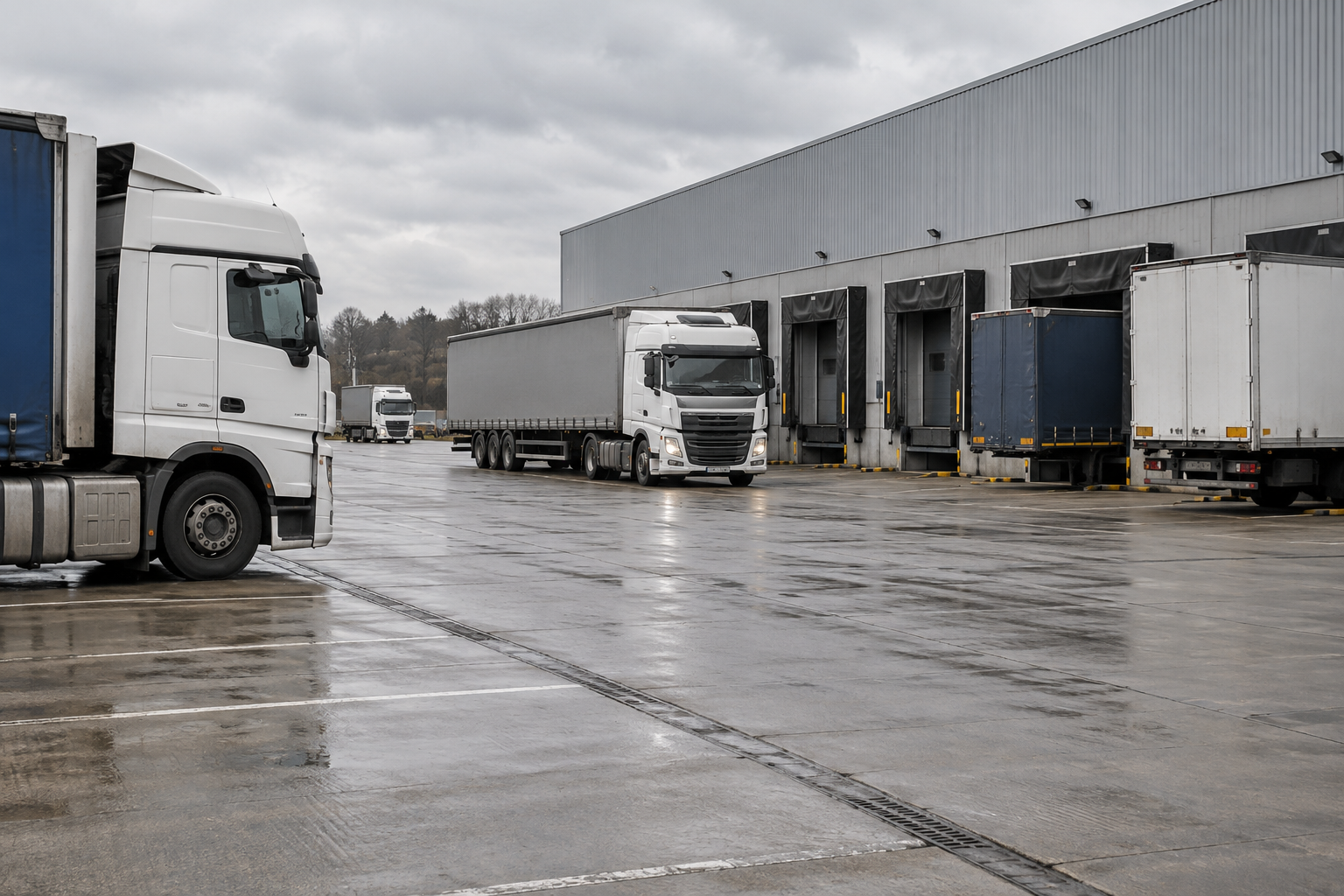
GXO Logistics has found that rising fuel costs are pushing 63% of UK transport and supply chain decision-makers towards alternative-fuel vehicles, although only 38% currently operate them.
The company’s latest Future of Transport survey, reported by Logistics Manager, covered more than 1,000 UK supply chain, transport and logistics decision-makers. It found that 87% regard reducing emissions as a key priority.
What happened
Securing investment depends heavily on the commercial case. More than three-quarters of respondents — 76% — said evidence of cost savings or operational improvements was essential to winning funding for lower-emission transport.
Operators are also looking for efficiencies within their existing fleets. Reducing part-loads was the most common measure identified, at 43%, followed by cutting empty running and exploring fleet sharing, both at 41%. Route optimisation was cited by 39%.
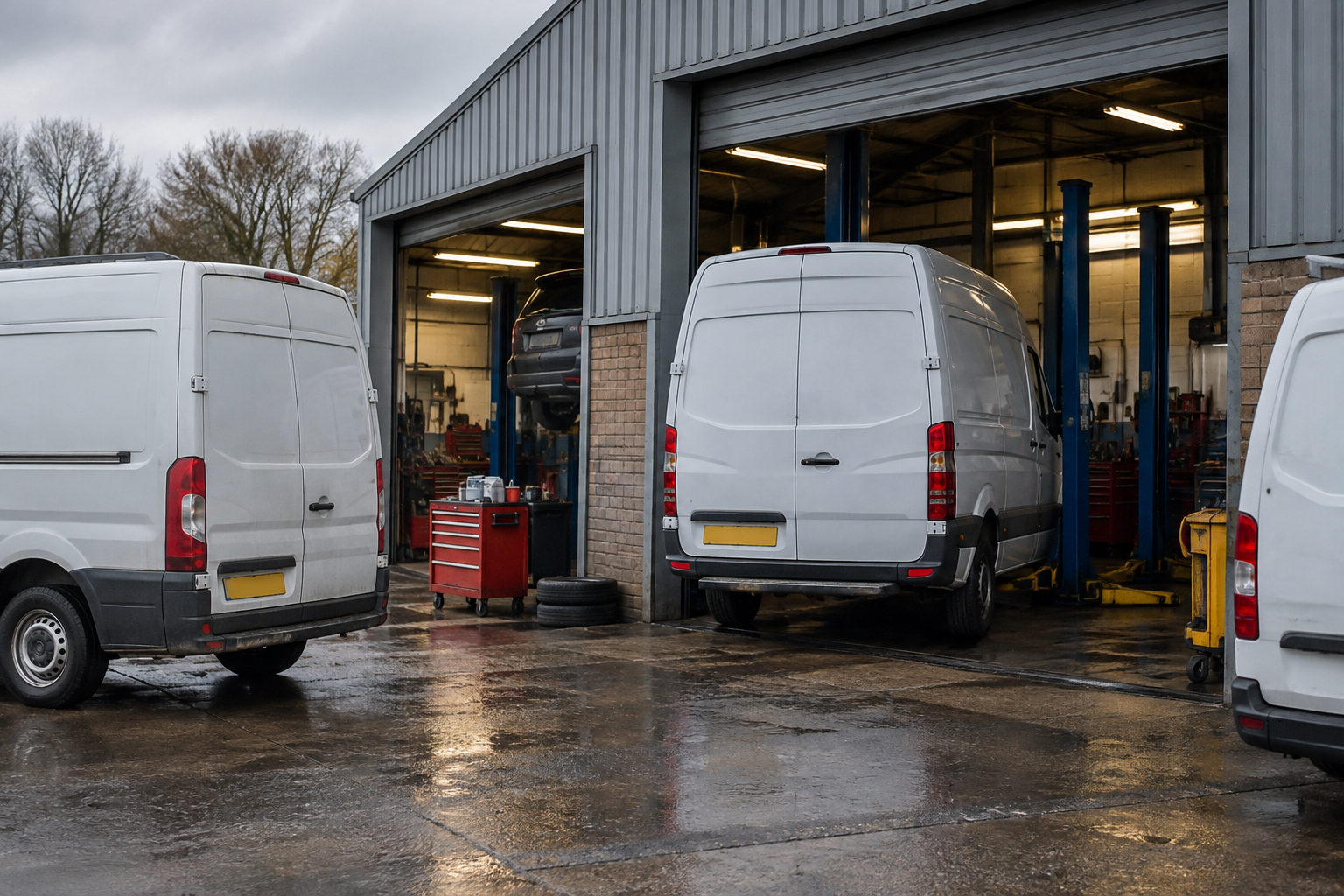
Those measures address vehicle utilisation as well as fuel consumption. Fleet availability carries a separate financial burden: the AA puts the cost of van downtime at £1,172 a day, highlighting another operating expense for businesses managing road transport.
The background
The survey comes amid a sharp increase in diesel prices. Department for Energy Security and Net Zero figures cited for the week beginning 12 October put UK diesel at £2.0004 a litre, compared with £1.4299 a year earlier.
Fuel pressures also extend to smaller commercial vehicles. MoneySuperMarket has put the annual increase in van fuel costs at £671, a separate measure of the pressure on businesses dependent on road travel.
The wider spending picture also reflects higher forecourt costs. Barclays reported a 2% rise in September spending as fuel costs climbed.
What people are saying
GXO identified expensive new vehicles, uncertainty about which fuel technologies will prevail and concerns over infrastructure as obstacles to investment in low-carbon transport. These barriers affect the decision to buy vehicles, rather than simply operators’ willingness to reduce emissions.
Carl Hanson, managing director of transport at GXO UK & Ireland, argued that emissions reductions and commercial results need to be pursued together. His position was that operators require workable improvements to today’s operations while retaining the ability to use different fuels in future.
What happens next
Respondents’ expectations for 2028 span several technologies rather than a single replacement for diesel. Gas-powered fleets using liquefied natural gas or compressed natural gas received the strongest backing, with 70% expecting them to be viable and affordable by then.
Electric heavy goods vehicles followed at 68%, ahead of biofuels at 64% and hydrogen at 62%. These figures measure expectations about future affordability and viability, not commitments to purchase vehicles.
Preparations for the supporting energy systems remain at an earlier stage. Only 25% of businesses have begun planning investment in charging or refuelling infrastructure, while 30% have started procurement planning for their future energy needs.
GXO is taking part in the UK’s Zero Emission HGV and Infrastructure Demonstrator programme, which tests electric heavy goods vehicles and associated charging infrastructure in commercial freight operations.
The programme’s first annual report records more than 2.2 million miles travelled by participating HGVs and over 550,000 tonnes of freight transported, providing operational evidence from vehicles already working on commercial routes.
Why this matters
For UK directors managing transport budgets, the findings place the investment case at the centre of fleet decarbonisation. With 76% of respondents requiring evidence of savings or operational efficiencies, emissions targets alone are unlikely to secure funding. Low levels of infrastructure planning also expose a gap between expectations for future vehicles and preparations to support them. Meanwhile, operators are pursuing better loading, fewer empty journeys and route improvements within existing fleets.
Frequently asked questions
- What does the GXO fleet survey show?
- GXO’s Future of Transport survey found that fuel costs are accelerating interest in alternative-fuel vehicles for 63% of UK respondents. Only 38% currently operate them, despite 87% identifying emissions reduction as a key priority.
- How many people took part in GXO’s transport survey?
- More than 1,000 UK supply chain, transport and logistics decision-makers took part in GXO’s latest Future of Transport survey.
- What is stopping UK fleets from adopting alternative fuels?
- GXO identified high upfront vehicle costs, uncertainty over future fuel technologies and infrastructure concerns. The survey also found that 76% need evidence of savings or operational efficiencies to secure investment.
- How are transport operators improving fleet efficiency?
- The GXO survey found that 43% are reducing part-loads, 41% are cutting empty running, 41% are exploring fleet sharing and 39% are optimising routes.
- When do logistics leaders expect electric HGVs to be affordable?
- GXO found that 68% of logistics leaders expect electric HGVs to be viable and affordable by 2028. Gas-powered fleets using LNG or CNG received a higher figure of 70%.
- Are UK operators planning charging and refuelling infrastructure?
- Only 25% of businesses surveyed have begun investment planning for charging or refuelling infrastructure. Separately, 30% have started procurement planning for future energy requirements.
- What is the Zero Emission HGV and Infrastructure Demonstrator programme?
- The UK programme tests electric HGVs and supporting charging infrastructure in commercial freight operations. GXO participates, and the first annual report records more than 2.2 million vehicle miles and over 550,000 tonnes of freight transported.
In this story
Topics: GXO fleet survey · UK fleet fuel costs · alternative fuel vehicles · electric HGV investment · fleet decarbonisation · HGV charging infrastructure · GXO Future of Transport · All Logistics & Fulfilment news →
Original reporting: Logistics Manager. This article is an independent write-up by British Business Echo.
Latest from the newsdesk
- Recruitment & Employment
UKHospitality backs 100,000 youth jobs as small venues face costs
- Funding & Business Finance
British Business Bank commits £180m to six AI funds
- Business Growth
UK exporters face customs and cashflow checks for growth
- Funding & Business Finance
HydroSurv secures £150,000 export loan to back Exeter jobs
- Economic Changes Affecting SMEs
UK economy grows 0.1% in August as production beats forecasts
Related stories

B&Q expands Deliveroo reach and launches TradePoint Express
TradePoint members gain two-hour delivery through Gophr as B&Q extends its Deliveroo service to more than 100 stores nationwide.
AA puts van downtime cost at £1,172 a day
Ageing fleets, poor roads and technician shortages are increasing pressure on UK fleet operators, according to AA Business Services.