Funding & Business Finance
British Business Bank commits £180m to six AI funds
Six venture capital and growth funds will receive backing to support AI and deep technology businesses from their earliest stages to expansion.

By Priya Nair, Finance & Tax Reporter ·
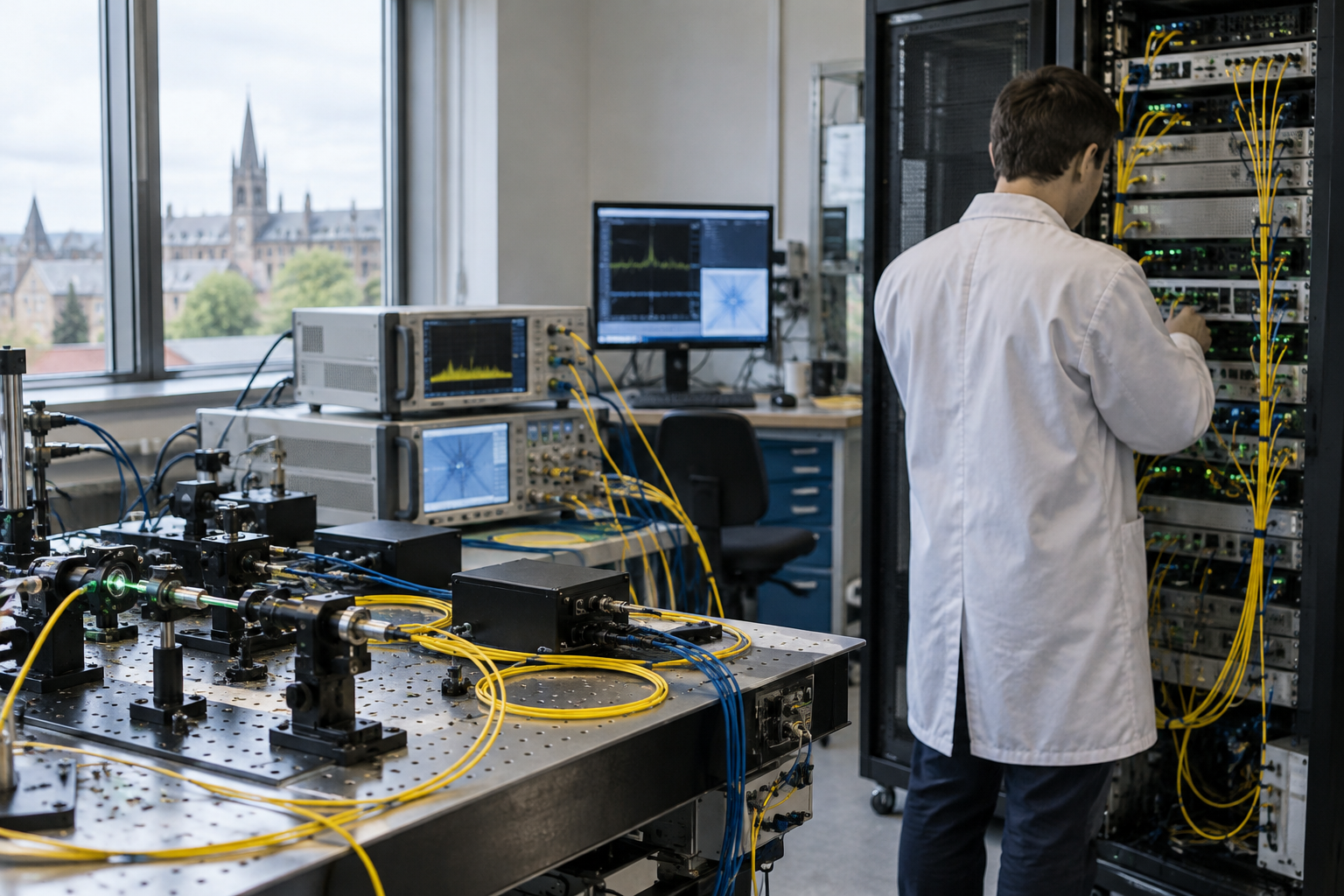
The British Business Bank has committed £180m to six venture capital and growth equity funds to expand the capital available to AI and deep technology businesses in the UK.
The commitments, reported by BusinessCloud on 15 October 2026, are intended to strengthen domestic financing options and help the UK retain more of the economic value generated by its technology companies. The money is being committed to investment funds rather than distributed directly to businesses.
What happened
Intrepid Growth Partners Fund I receives the largest commitment, at £55m. The fund specialises in growth investment in AI, placing it at the later-stage end of the bank’s latest allocations.
Crane III receives £35m to back founders globally from inception through seed funding. Its remit covers foundational technologies spanning AI, software, infrastructure and deep science, rather than concentrating solely on applications built on existing systems.
A further £20m goes to Connect V, which targets technical founders at the pre-seed stage. Its investment focus combines AI with hardware and real-world automation, bringing physical technology businesses into the funding programme alongside software companies.
Entrepreneurs First’s Early Stage Fund receives £22m. It will support companies emerging from the EF platform at seed, Series A and Series B, including businesses developing AI infrastructure.
Headline EU VIII receives £26m for seed and Series A investments across Europe, with a focus on AI. Its European remit means the fund’s investment scope extends beyond the UK, although the bank’s stated objective is to improve financing for UK innovators.
The remaining £22m is committed to Evantic Fund I, which invests in globally focused AI companies at the growth stage. That gives the package a second specialist route into businesses seeking capital beyond their initial development rounds.
The allocations cover different technologies as well as different investment stages. Hardware and infrastructure are part of that scope, areas also represented in the separate £3.8m funding round raised by neural chip developer MintNeuro.
The background
The bank is also investing directly in AI businesses. It recently put £10m into Salience Labs, an Oxford spinout developing optical switching technology designed to address a bottleneck in AI networking. That investment is separate from the six fund commitments.
Earlier direct investments named by the bank include Wayve, Kraken Technologies, PhysicsX, PolyAI and Ineffable Intelligence. These holdings show that its AI financing activity includes company-level investment as well as capital allocated through external fund managers.
Its relationship with Entrepreneurs First dates back to 2016, when it anchored EF’s first institutional fund. The latest commitment therefore extends an established relationship rather than introducing a new fund manager to the bank’s portfolio.
Carl Bishop, partner and head of funds at Entrepreneurs First, said the bank had also invested directly in EF-backed companies, including PolyAI, Accurx and Hadean. The relationship has consequently involved both funding the platform’s investment activity and backing individual businesses that emerged from it.
The announcement sits alongside other public financing measures for innovation, including the government’s £1bn innovation plan and mayoral funding proposals. The six allocations are specifically commitments to venture capital and growth equity funds, rather than a general business grant programme.
What people are saying
Leandros Kalisperas, chief investment officer of the British Business Bank, said the UK’s financing environment did not yet match the strength of its technical capabilities. He presented access to capital, rather than a shortage of ideas or talent, as the gap the bank was seeking to address.
Kalisperas said the strategy was to make larger pools of finance available throughout a company’s development. The intended result is greater access to capital within the UK, reducing the need for businesses to look elsewhere as their funding requirements grow.
Business Secretary Jonathan Reynolds linked the commitments to the UK’s ability to develop its own AI capabilities. He said research strength and entrepreneurial talent needed to be matched by financing opportunities, with the investment intended to support safe, secure companies developed at home.
Matt Miller, founder and managing partner of Evantic Capital, said the firm had chosen London as a base connecting the UK with Silicon Valley. Its approach includes encouraging overseas portfolio companies to establish operations here and giving UK businesses access to US networks.
Miller said Evantic had already invested or committed more than £150m in UK businesses. Nine of its non-UK portfolio companies had opened London offices, providing a concrete measure of the international investment activity he described.
Robert Greenwood, senior director of funds at the British Business Bank, said increasing the amount of capital was only one part of the task. Businesses also needed investors whose expertise matched their stage of development, from formation to international expansion.
Mark Machin, co-founder and managing partner of Intrepid Growth Partners, emphasised the need for patient, specialist growth funding. He said the UK’s AI research base, engineering expertise and ambitious founders needed deeper sources of long-term capital to build globally competitive businesses.
What happens next
Investment decisions will follow the individual funds’ mandates. Connect V’s pre-seed focus differs from Intrepid’s and Evantic’s growth-stage strategies, so the commitments do not create a single financing route or a common entry point for companies seeking backing.
For founders, the relevant distinction is between early investment to establish a business and later funding to expand it. Separate activity such as Manchester Angels reaching 22 investments illustrates another part of the early-stage financing market, rather than a route into these six funds.
The announcement does not set out a timetable for deploying the £180m or identify the companies that will receive investments from the funds. The next company-level outcomes will depend on the investments those managers select.
Why this matters
For UK technology founders and directors, the commitments broaden the range of backed investors operating from pre-seed through growth funding. The practical distinction is that this is capital for specialist funds to invest, not a £180m grant scheme or direct allocation to companies. Businesses will need to fit individual managers’ technology and stage requirements. The bank’s stated aim is to improve domestic access to finance and retain more of the economic value created by UK innovation.
Frequently asked questions
- What is the British Business Bank’s £180m AI investment?
- The British Business Bank has committed £180m to six venture capital and growth equity funds. The commitments are intended to improve financing for UK AI and deep technology companies across different development stages.
- Which AI funds are receiving British Business Bank backing?
- The recipients are Crane III, Connect V, Entrepreneurs First’s Early Stage Fund, Intrepid Growth Partners Fund I, Headline EU VIII and Evantic Fund I.
- Which fund is receiving the largest commitment?
- Intrepid Growth Partners Fund I receives £55m, the largest of the six commitments. It specialises in growth investment in AI businesses.
- Can early-stage AI start-ups benefit from the funding?
- Several funds target early-stage businesses. Connect V invests at pre-seed, Crane III backs founders from inception through seed, and Headline EU VIII targets seed and Series A companies.
- Is the £180m being invested directly in AI companies?
- No. The £180m consists of commitments to investment funds. The bank also makes separate direct investments in companies, including a recent £10m investment in Salience Labs.
- What does Salience Labs do?
- Salience Labs is an Oxford spinout developing optical switching technology to address a bottleneck in AI networking. The British Business Bank recently invested £10m directly in the business.
- When will the £180m AI funding be invested?
- The announcement does not specify a deployment timetable. The six fund managers will select investments according to their respective investment mandates.
In this story
Topics: British Business Bank AI investment · British Business Bank £180m · UK AI funding · deep tech venture capital UK · AI growth equity funds · Salience Labs investment · All Funding & Business Finance news →
Original reporting: BusinessCloud. This article is an independent write-up by British Business Echo.
Latest from the newsdesk
- Recruitment & Employment
UKHospitality backs 100,000 youth jobs as small venues face costs
- Business Growth
UK exporters face customs and cashflow checks for growth
- Economic Changes Affecting SMEs
UK economy grows 0.1% in August as production beats forecasts
- Logistics & Fulfilment
B&Q expands Deliveroo reach and launches TradePoint Express
- Recruitment & Employment
FSB says rates relief expansion could unlock small firm hiring
Related stories
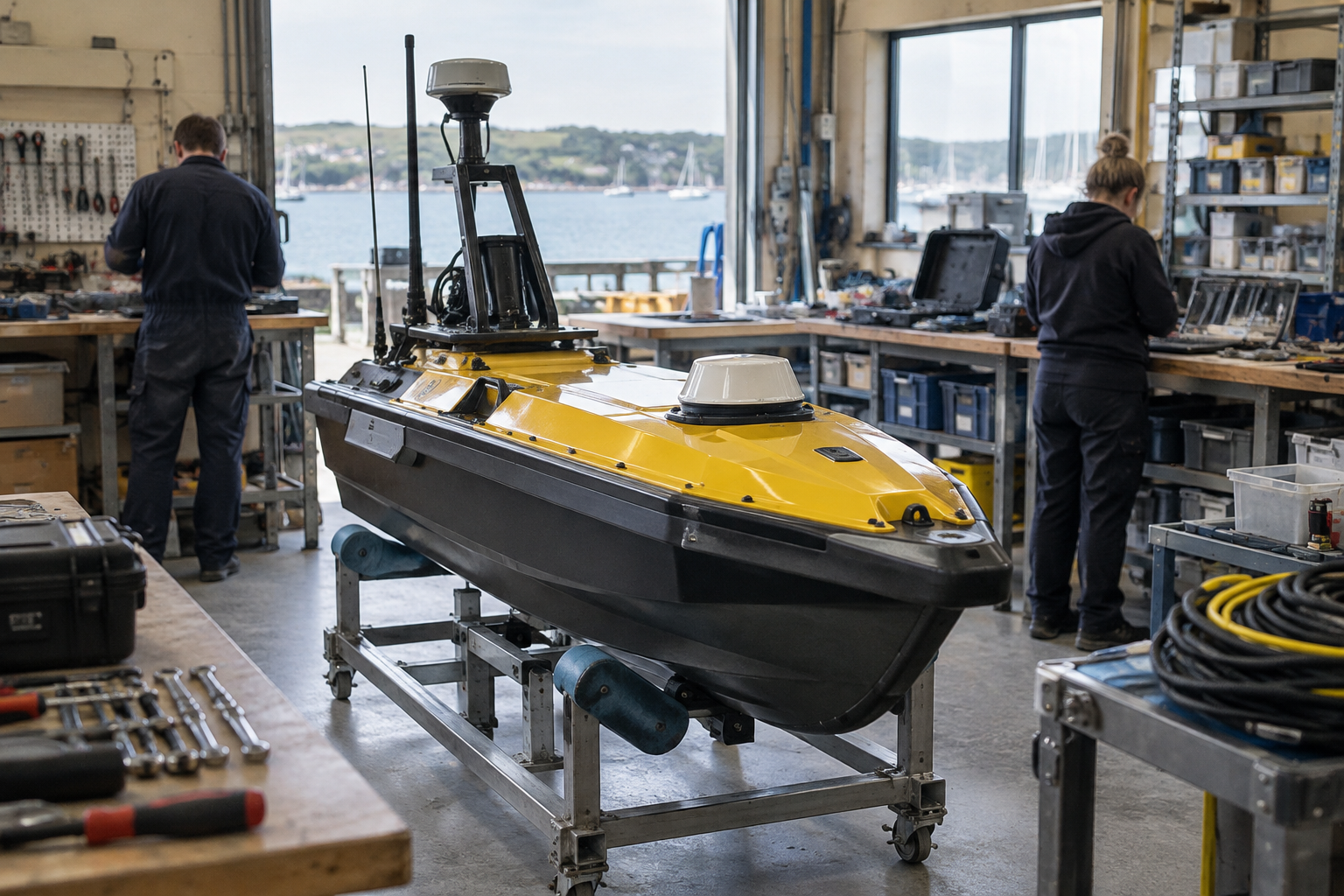
HydroSurv secures £150,000 export loan to back Exeter jobs
The Exeter marine technology business will fulfil orders in Norway and Italy and add seven skilled roles with government-backed finance.
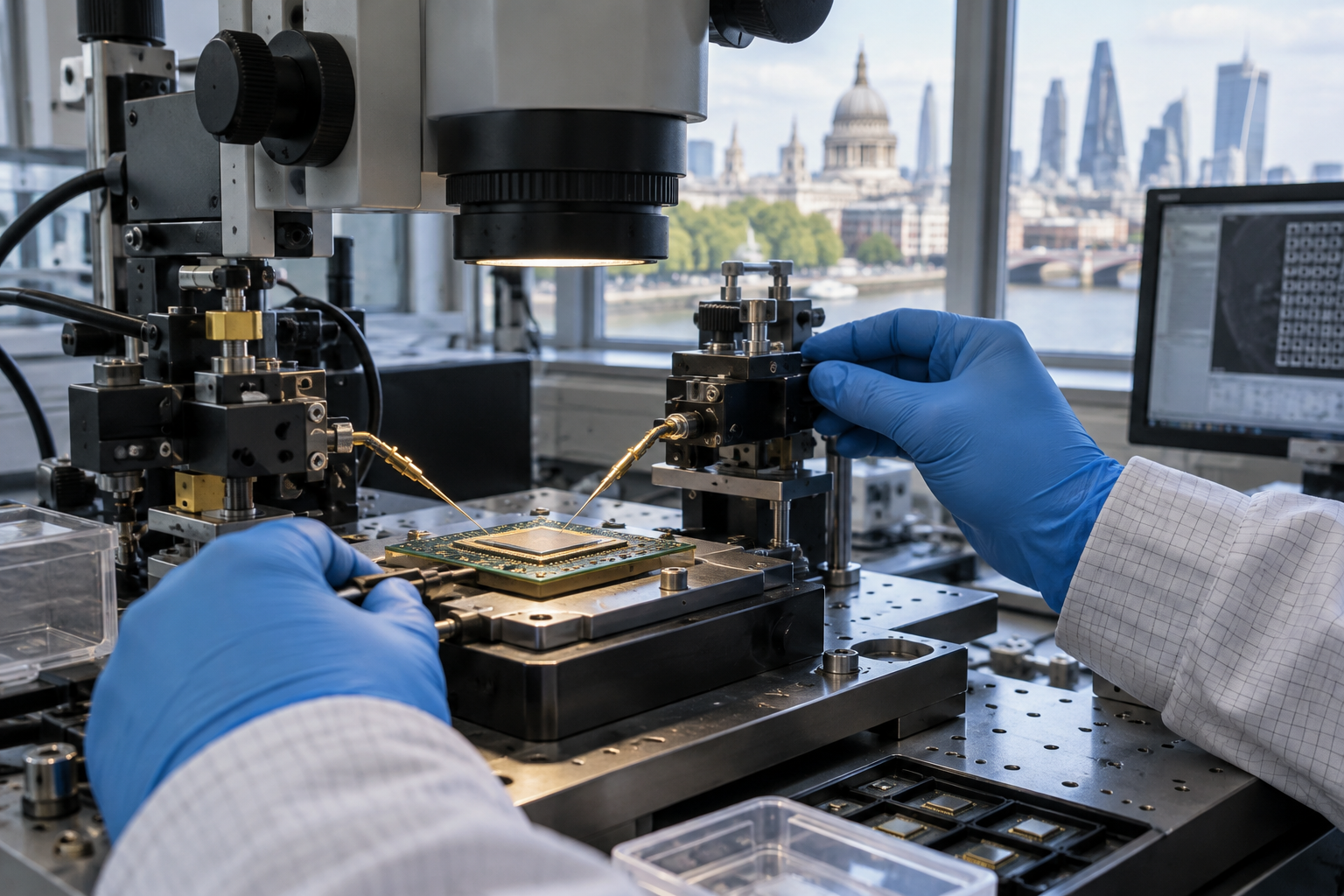
MintNeuro raises £3.8m to commercialise neural chips
The Imperial College spinout will expand pre-production chip shipments and its US presence after securing backing from European and American investors.

Manchester Angels reaches 22 investments with double deal
The network has backed AI sales platform Doris Labs and Manchester cyber security startup Ghost Shift in two pre-seed funding rounds.

Government sets out £1bn innovation plan and mayoral funding
Mayors will gain control of later-stage innovation funding, alongside a four-year UKRI commitment to industrial clusters across the UK.