Funding & Business Finance
Government sets out £1bn innovation plan and mayoral funding
Mayors will gain control of later-stage innovation funding, alongside a four-year UKRI commitment to industrial clusters across the UK.

By Priya Nair, Finance & Tax Reporter ·
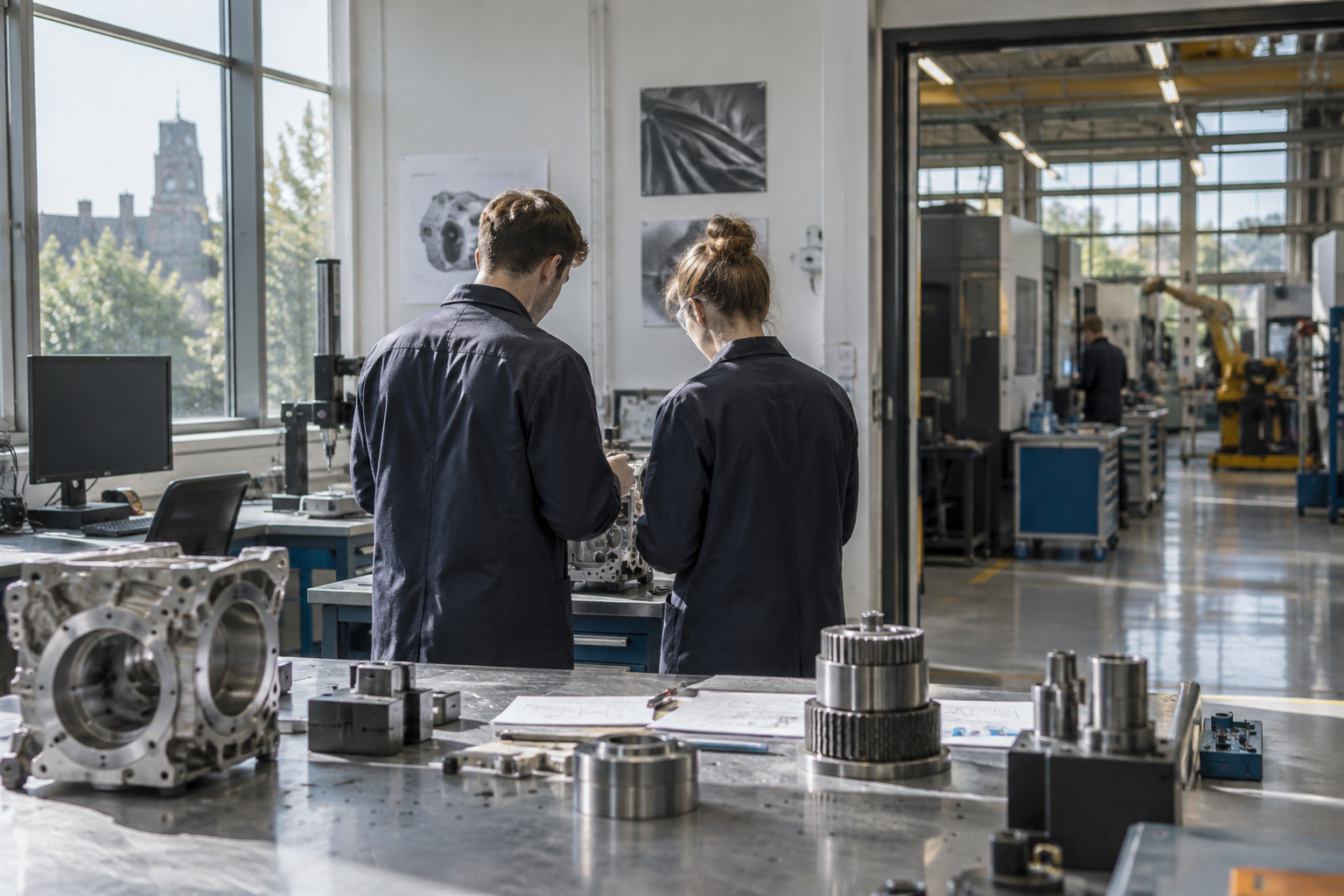
The government has set out plans to invest £1bn in UK innovation clusters over four years and give established English mayoral authorities control over dedicated later-stage research and development funding.
The package, announced at the Innovation Nation Summit in Manchester and detailed by GOV.UK Business, includes devolving the existing Local Innovation Partnerships Fund to established mayors from 2028. It combines a UK-wide investment commitment with changes to who makes decisions about local innovation support.
What happened
UK Research and Innovation will oversee the £1bn commitment, which is intended to support high-growth clusters working in the Industrial Strategy’s priority sectors. The government is targeting places that already bring together research expertise, businesses and skilled workers capable of developing commercially viable ideas.
Alongside that investment, established mayoral strategic authorities in England will receive dedicated devolved funding for later-stage innovation for the first time. The change will give those authorities greater discretion over which local opportunities to support, rather than leaving those decisions at national level.
The announcement does not specify the amount each authority will receive or identify individual cluster allocations. Nor does it set out how the £1bn UKRI commitment will be divided between places, sectors or years within the four-year period.
The devolved R&D funding will sit alongside new Good Growth Funds. These are intended to provide local leaders with a single, flexible budget for long-term economic development, allowing innovation spending to complement wider investment in their areas.
The government presents the distinction as important: research support alone is not sufficient to build a successful local industry. Businesses also require suitable premises, infrastructure, finance and workers with the right skills, as well as connections to universities and public bodies.
Access to capital is also a feature of the regional funding activity covered in Manchester Angels’ latest two investments. The government’s package focuses on public funding decisions and the local conditions needed to help innovative companies develop.
The background
The policy addresses a gap the government identifies between Britain’s research capabilities and its ability to turn discoveries into sizeable domestic businesses. Its stated concern is that the economic benefits of ideas developed in the UK do not consistently translate into investment and employment in the communities where the work began.
Later-stage innovation support is intended to address the development and commercialisation of those ideas, rather than simply their initial discovery. The wider objective is to help more home-grown businesses expand in the UK instead of allowing the country’s contribution to end with the underlying research.
The proposed devolution follows the direction set out in the Rewiring the State Cabinet Statement. That document envisages transferring a substantially larger share of later-stage innovation funding to local leaders, with the eventual scope extending beyond existing established mayoral strategic authorities.
The package also builds on collaboration between Cambridge and Manchester, which the government cites as a model for linking innovation centres. Its next proposed partnerships will work across the Industrial Strategy’s eight growth-driving sectors rather than treating individual clusters as isolated sources of growth.
Commercialisation can involve financing a practical demonstration before wider deployment, as illustrated by Neela Biotech’s £2.1m waste-to-aviation-fuel pilot raise. The government announcement does not name individual companies as beneficiaries of the new cluster investment.
What people are saying
The government argues that local leaders are better placed to identify some of the strongest opportunities in their economies. It wants greater local control to bring business support, skills, premises and infrastructure together around an area’s particular industrial strengths.
Its stated ambition is for UK research breakthroughs to be developed, commercialised and scaled domestically. The expected benefits are more private investment, growing businesses and better-paid employment, although the announcement does not attach numerical targets to those outcomes.
The government also argues that partnerships between regions can create the scale required to compete for international investment. Connecting universities, businesses and local authorities is intended to give companies access to complementary expertise and help move research towards commercial products more quickly.
Whitehall would retain responsibility for decisions requiring central government action under the proposed division of responsibilities. The approach therefore combines national investment with local discretion, rather than transferring the whole innovation funding system to regional authorities.
What happens next
No.10 North will be tasked with developing partnerships between innovation clusters. The first will connect the Northern Growth Corridor with the Oxford to Cambridge Growth Corridor, focusing on complementary capabilities in life sciences, digital and technology, and advanced manufacturing.
Those proposed domestic connections sit alongside other efforts to link technology ecosystems, including the UK-Germany tech corridor and its £17m quantum fund. The new announcement does not give a launch date or separate budget for the initial corridor partnership.
The clearest implementation date is 2028, when the Local Innovation Partnerships Fund is due to pass to established mayors. That commitment applies specifically to established mayoral strategic authorities in England; it is not an announcement of equivalent fund transfers across all four UK nations.
For Scotland, Wales and Northern Ireland, the government says it will work with devolved administrations and local and regional stakeholders to explore how greater local decision-making could operate. No timetable for those discussions or subsequent funding arrangements is specified.
Businesses seeking support will need further details on allocations and delivery arrangements. The announcement provides no application opening date, company eligibility rules or process for accessing the cluster funding, so it does not yet constitute a funding call for individual firms.
Why this matters
For founders and directors developing research-led products, the plans could change where public funding decisions are made and how innovation support connects with premises, skills and infrastructure. Established English mayoral authorities are set to gain a more direct role from 2028, while UKRI’s £1bn commitment covers clusters across the UK. Businesses cannot yet assess their eligibility or potential awards: regional allocations, application dates and detailed delivery arrangements remain unspecified in the announcement.
Frequently asked questions
- What is the £1bn regional innovation funding plan?
- The government plans to invest £1bn through UK Research and Innovation over four years in high-growth innovation clusters working in the Industrial Strategy’s priority sectors across the UK.
- Which mayors will get control of innovation funding?
- The initial commitment covers established mayoral strategic authorities in England. The government intends to extend greater local control beyond those authorities, but has not detailed the later arrangements.
- When will the Local Innovation Partnerships Fund be devolved?
- The government says the existing Local Innovation Partnerships Fund will be devolved to established mayors from 2028. The announcement does not specify allocations for individual authorities.
- How can businesses apply for the new innovation funding?
- The announcement does not provide an application process, opening date or company eligibility rules. Further details on allocations and delivery arrangements are needed before individual businesses can assess access.
- What are Good Growth Funds?
- Good Growth Funds are planned as single, flexible, long-term growth budgets for local leaders. Dedicated devolved R&D funding will sit alongside them, supporting investment intended to create jobs and improve local economic prospects.
- Which regions will the first innovation partnership connect?
- The first partnership will connect the Northern Growth Corridor and the Oxford to Cambridge Growth Corridor. Areas of focus include life sciences, digital and technology, and advanced manufacturing.
- Does the innovation funding plan cover Scotland, Wales and Northern Ireland?
- The £1bn cluster investment is UK-wide, but the specified fund devolution applies to established English mayoral authorities. The government will discuss wider local empowerment with devolved administrations and regional stakeholders.
In this story
Topics: regional innovation funding · UKRI £1bn investment · mayoral R&D funding · Local Innovation Partnerships Fund 2028 · Good Growth Funds · Northern Growth Corridor · Oxford to Cambridge Growth Corridor · All Funding & Business Finance news →
Original reporting: GOV.UK Business. This article is an independent write-up by British Business Echo.
Latest from the newsdesk
- Business Regulation
FSA urges Ukrainian egg recall after Salmonella detection
- Business Regulation
ICO questions OpenAI, Meta and Anthropic over AI agents
- Insolvency & Restructuring
Ellan NW shut down after arranging 226 company purchases
- Business Growth
Growth Company opens Hong Kong route for Manchester startups
Related stories

Manchester Angels reaches 22 investments with double deal
The network has backed AI sales platform Doris Labs and Manchester cyber security startup Ghost Shift in two pre-seed funding rounds.

Start Up Loans lending tops £40m in record summer
The British Business Bank programme increased lending by 14% over the summer and is targeting more firms with up to five years of trading.
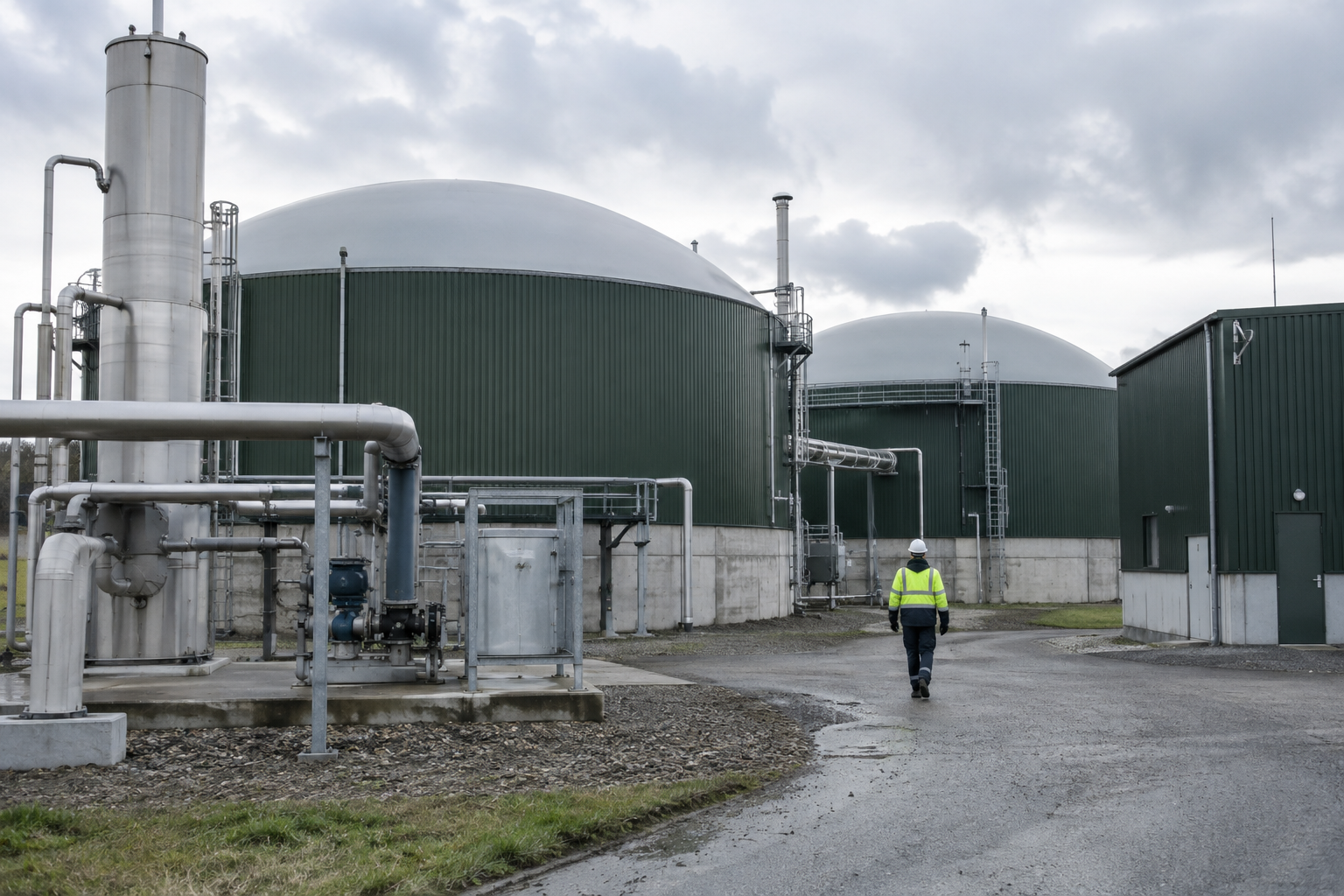
Neela Biotech raises £2.1m for waste-to-aviation-fuel pilot
Elbow Beach leads the Cambridge company’s pre-seed round as it prepares to test its aviation fuel feedstock technology at a biogas plant.

Konsileo secures £5m to support broker and platform growth
Committed Capital and ACF Investors back the UK commercial insurance broker, which employs more than 220 people.