Profitability
MoneySuperMarket puts annual van fuel cost rise at £671
UK van drivers face an extra £2.5bn diesel bill in 2026 as transport bodies seek fuel duty relief ahead of the October Budget.

By Eleanor Whitcombe, Editor ·
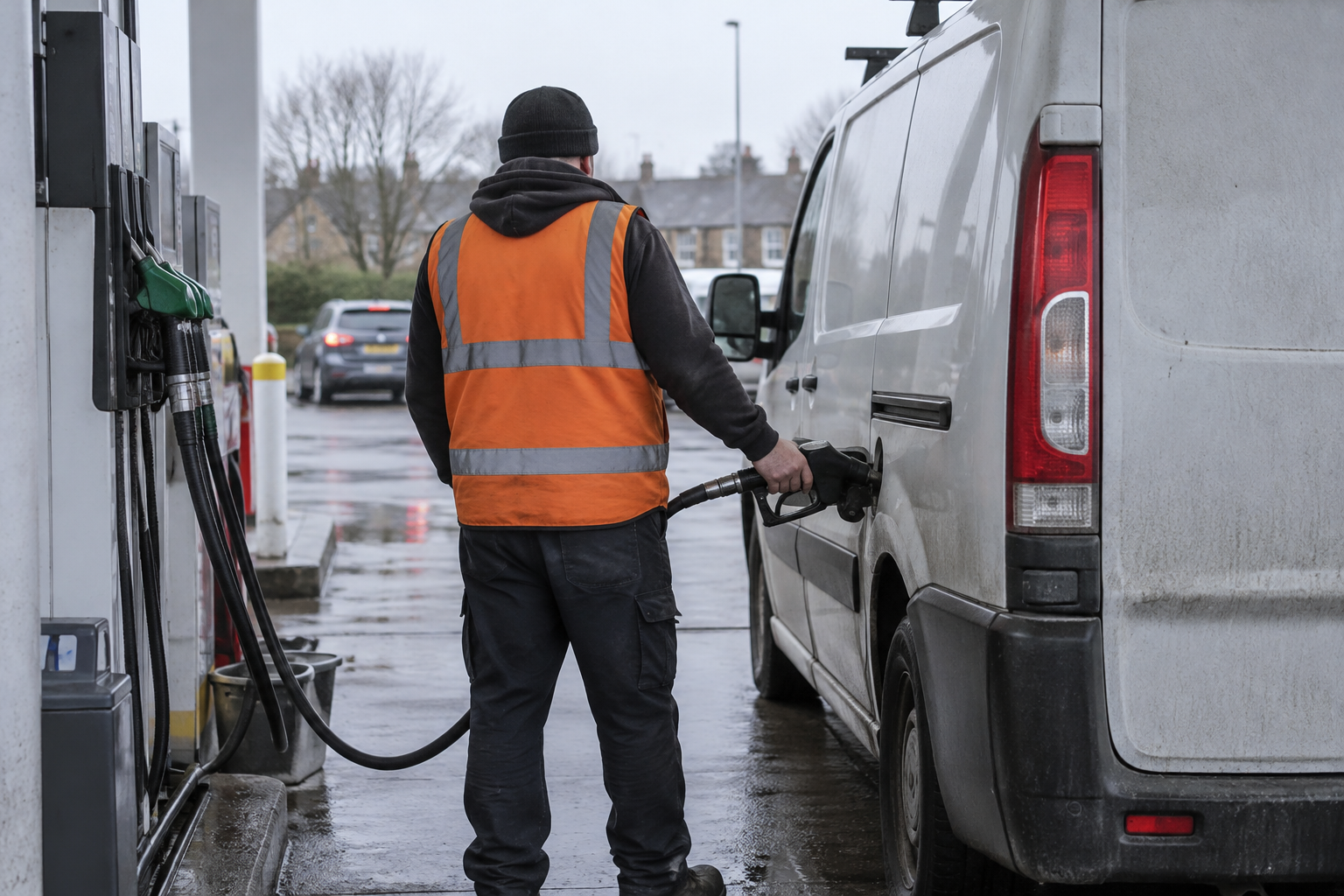
UK van drivers face a combined £2.5bn increase in diesel spending in 2026, with MoneySuperMarket forecasting that the average vehicle’s annual fuel bill will rise by £671 to £1,965.
The increase puts pressure on sole traders, delivery operators and trades businesses ahead of the Budget on 28 October, when transport organisations want the government to abandon planned fuel duty increases.
What happened
MoneySuperMarket’s analysis, reported by Startups.co.uk, puts the average annual diesel bill at £1,294 in 2025. Its forecast for 2026 represents an increase of about 52%, based on typical mileage and fuel consumption.
The additional expense works out at approximately £56 a month for each van. For businesses with several vehicles, the exposure extends across the fleet rather than being confined to a single running-cost increase.
Average diesel prices have crossed £2 a litre after rising by more than 40% since late February. The RAC puts the price about 57p a litre above its level before the Middle East conflict.
The figures focus attention on businesses whose work depends on travelling between customers or making deliveries. The wider effect of fuel prices on household spending is also covered in Barclays’ September spending figures.
The background
Diesel powers about 95% of light commercial vehicles, leaving most van operators exposed to changes at the pump. Switching fuel type is therefore not an immediate answer for the existing vehicle fleet.
Recovering the increase through customer charges can also be difficult. A tradesperson may already have committed to a fixed-price job months earlier, while businesses serving regular customers may face resistance to changing established rates.
Fuel sits alongside insurance, servicing, repairs, tyres, MOTs and vehicle tax. Sole traders must also fund tools, materials, software, accountancy services, tax liabilities and pension contributions without an employer sharing those expenses.
That combination makes the diesel increase part of a broader operating-cost problem rather than an isolated bill. Other areas of expenditure are examined in the Companeo guide to reducing business overheads, although reducing those costs does not remove the need to travel for work.
What people are saying
The Road Haulage Association wants ministers to cancel fuel duty increases of 3p a litre scheduled for 1 January and a further 2p from 1 March. Its managing director, Richard Smith, argues that higher duty would feed through into food prices.
Smith says many association members operate with margins of around 2%. That leaves limited room to absorb another rise in a cost directly linked to the distance vehicles travel.
The association is separately seeking a 15p-a-litre rebate for British van, coach and haulage operators. It cites assistance already provided to commercial vehicle businesses in Spain, France and Italy in support of its request.
The RAC has proposed a different set of options. Simon Williams, its head of policy, says the government could prolong and deepen the existing fuel duty cut, or lower VAT on fuel, pointing to the treatment of domestic electricity.
What happens next
The government had not responded to those requests at the time of the report. The Budget on 28 October is the next stated opportunity for confirmation of any intervention; neither the proposed rebate nor the other relief options has been announced as policy.
In the meantime, operators can compare filling-station prices through fuel-price apps or assess fuel-card offers. The potential benefit depends on local price differences, rather than any guaranteed saving identified in the analysis.
Journey planning offers another way to limit consumption. Scheduling nearby jobs together reduces mileage and time spent idling, while correct tyre pressures, regular servicing, removing unnecessary loads and smoother driving can improve fuel efficiency.
Tax treatment is another consideration. The source reports that HMRC’s simplified mileage rate increased from 45p to 55p for the first 10,000 business miles from 6 April 2026. Sole traders need to compare that approach with claiming actual vehicle costs rather than assume one method produces the better result.
That decision concerns how business travel expenses are accounted for, not a reduction in the price paid at the pump. It sits alongside the wider record-keeping issues covered in the report on HMRC’s digital tax rules and small-business bookkeeping.
Timeline
2025
The average van’s annual fuel bill stands at £1,294, according to MoneySuperMarket.
6 April 2026
HMRC’s simplified mileage rate rises to 55p for the first 10,000 business miles, the source reports.
28 October
The Budget provides the next stated opportunity for confirmation of fuel support.
1 January
A planned fuel duty increase would add 3p a litre.
1 March
A further planned fuel duty increase would add 2p a litre.
Why this matters
An additional £671 a year per van directly affects businesses that depend on travelling to earn revenue. Fixed-price contracts can leave sole traders unable to recover the increase, while diesel’s 95% share of light commercial vehicles limits immediate alternatives. For owners and directors, the practical issues are job pricing, journey planning and vehicle efficiency. Government relief remains a request rather than a confirmed reduction in operating costs.
Frequently asked questions
- How much are van fuel costs rising in 2026?
- MoneySuperMarket forecasts that the average van’s annual diesel bill will rise by £671, from £1,294 in 2025 to £1,965 in 2026. That is approximately £56 more each month.
- Why are diesel van running costs increasing?
- Average diesel prices have crossed £2 a litre after rising more than 40% since late February. The RAC says diesel remains about 57p a litre above its price before the Middle East conflict.
- When are the planned fuel duty increases?
- The planned increases would add 3p a litre from 1 January and another 2p from 1 March. The Road Haulage Association wants both rises cancelled.
- What fuel support is the Road Haulage Association asking for?
- The Road Haulage Association is seeking a 15p-a-litre rebate for British van, coach and haulage operators, alongside cancellation of the planned fuel duty increases.
- How can sole traders reduce van fuel spending?
- Options include comparing filling-station prices, grouping jobs geographically, limiting idling, maintaining correct tyre pressures, servicing vehicles, removing unnecessary loads and driving more smoothly. The report does not quantify potential savings.
- Has the government announced extra fuel relief?
- The government had not responded to the transport bodies’ requests at the time of the report. Any confirmed intervention was not expected before the Budget on 28 October.
In this story
Topics: van fuel costs · MoneySuperMarket van diesel costs · diesel prices UK · fuel duty increase · van fuel rebate · sole trader van expenses · All Profitability news →
Original reporting: Startups.co.uk. This article is an independent write-up by British Business Echo.
Latest from the newsdesk
- Recruitment & Employment
FSB says rates relief expansion could unlock small firm hiring
- Recruitment & Employment
Government targets bogus self-employment affecting 900,000
- Business Regulation
CMA fines Wayfair, Appliances Direct and gym operator £6m
- Tax Changes
John Healey weighs £1bn marketplace VAT collection plan
- Recruitment & Employment
Non-compete curbs could push City firms towards garden leave
Related stories

Companeo guide sets out ways to cut business overhead costs
Guidance puts energy contracts, supplier charges and product margins at the centre of small firms’ efforts to control overheads.

Hospitality tax burden hits 82p for every £1 of profit
Trade bodies seek business rates changes after research puts hospitality’s effective tax burden above all 10 other UK sectors examined.