Cars for Business Owners
Used Hyundai Ioniq 5 prices start at £11,000
Early Ioniq 5s offer a lower-cost route into electric motoring, but battery specification, servicing and recall records need scrutiny.

By Marcus Bell, Lifestyle & Motoring Editor ·
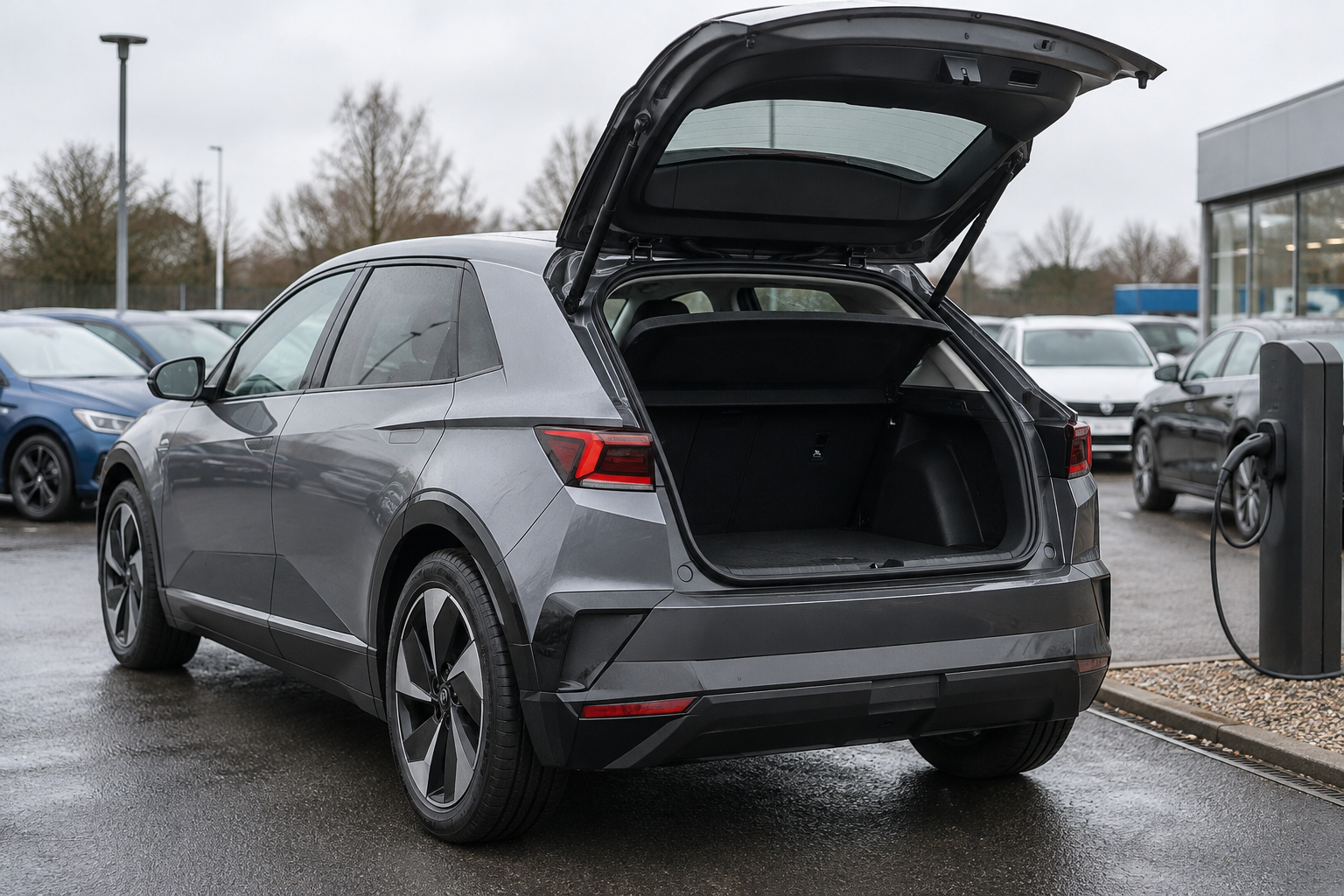
Used Hyundai Ioniq 5 models are available in the UK from about £11,000, putting the electric family car within reach of business owners with budgets below £20,000. The lowest price bracket includes cars registered up to 2022, with some examples showing around 40,000 miles.
The used-buying assessment by Autocar identifies a wide choice of batteries, equipment and mileages, alongside several recall and maintenance checks. Buyers considering newer stock can find facelifted 2025 cars with an 84kWh battery from around £26,000.
What happened
The £11,000–£14,999 bracket covers different trim levels and battery sizes rather than a single entry-level specification. Spending £15,000–£19,999 brings cars registered up to 2023 into consideration, including some with approximately 20,000 miles.
Within the £20,000–£29,999 bracket, around £26,000 also buys a pre-registered 2026 car with the smaller 63kWh battery. That creates a choice between a newer registration and the larger battery fitted to some similarly priced 2025 examples.
Most cars priced between £30,000 and £39,999 are later, low-mileage 84kWh versions. Pre-registered 2026 examples reach about £40,000, roughly £16,000 below list price, while the cheapest 2024-registered performance N models also begin around that level.
These are used and pre-registered buying options, distinct from the new-car discounts covered in the Hyundai Ioniq 6 grant-backed price reduction. Registration year alone does not establish an Ioniq 5’s specification because battery capacities changed during its production run.
Warranty protection is another part of the comparison. From new, the Ioniq 5 carries five years of unlimited-mileage cover, while its drive battery is covered for eight years or 100,000 miles.
Cars built before April 2024 have separate integrated charging control unit cover lasting 15 years or 186,000 miles. Later production uses an enhanced version of that component, known as the ICCU.
The background
The Ioniq 5 arrived in 2021. Its original rear-wheel-drive line-up paired a 168bhp motor and 58kWh battery with a stated 238-mile range, or a 214bhp motor and 73kWh battery with 298 miles. Cold weather reduces the smaller version’s range.
In mid-2022, the larger rear-drive option moved to a 77kWh battery and 225bhp motor, taking its stated range to 315 miles. The 2025 facelift replaced the 58kWh battery with a 63kWh unit rated at 273 miles, and the 77kWh pack with an 84kWh unit offering up to 354 miles.
All-wheel-drive cars use the larger batteries. The initial 301bhp, 73kWh version offered 267 miles; its 321bhp, 77kWh replacement arrived from 2022 with 298 miles. The move to 84kWh in 2025 increased that figure to 311 miles.
The performance-focused Ioniq 5 N arrived in 2023 with 641bhp. It uses an 84kWh battery and has a stated range of 278 miles, separating it from the longer-range versions despite sharing the same battery capacity.
Those differences matter when comparing older electric cars with newer launches such as the BMW i3 with up to 566 miles of range. An Ioniq 5 advert’s battery capacity and drivetrain provide a more useful starting point than the model name alone.
Practical features include sliding rear seats, storage compartments throughout the cabin and a 520-litre boot. Early cars have an older infotainment system, which was updated for the 2025 facelift, although some interior materials remained a criticism.
SE Connect equipment includes climate control, heated mirrors and satellite navigation. Premium adds LED headlights, a powered tailgate and heated seats; Ultimate brings leather, privacy glass and a higher-specification sound system. Namsan Edition cars have digital side mirrors and relaxation front seats.
Equipment worth seeking on early examples includes the heat pump/Eco pack and battery heater. Built-in vehicle-to-load capability is another useful specification item to check rather than assume is fitted.
What people are saying
Owner Rajiv Lahiri runs two Ioniq 5s in his household. His own car, a 2023-registered 77kWh Namsan Edition, had covered 39,000 miles and he reported dependable operation, comfort and an enjoyable ownership experience.
Lahiri said he had completed a return journey between Coventry and Southampton on one charge. All recalls on his car had been completed, including replacement of both door-mounted mirror cameras, which he advised prospective Namsan Edition buyers to check.
The publication’s 2023 test of the rear-drive 225bhp, 77kWh model found sufficient acceleration and cruising performance for relaxed driving, rather than class-leading speed. Its testers also welcomed the available driving modes.
Ride quality varies with age. Hyundai fitted firmer dampers from 2023 after owners sought tighter suspension control; the later cars retained a relatively soft ride but reduced the pronounced floating sensation of early examples.
The testers found rear-drive cars less tightly controlled in their handling, while all-wheel-drive versions offered stronger traction. Their assessment of the N was notably positive about its accessibility and driver involvement, awarding it five stars.
What happens next
For buyers proceeding to an inspection, recall completion needs particular attention. A recall issued on 6 May 2024 concerned an ICCU fault that could prevent charging of the 12V battery and trigger failsafe driving mode. Some owners experienced delays obtaining replacement units.
A separate recall on 13 May 2024 addressed possible loss of drive from rear inner driveshaft failure, with replacement delays also reported. An earlier recall, dated 20 June 2022, concerned the parking brake potentially failing to hold the car.
Service records should establish whether the four-year or 40,000-mile service has been completed when due, including the battery coolant change. Reports of flat batteries linked to parasitic electrical draw and software problems make the car’s electrical history relevant too.
For owners weighing running costs against combustion alternatives, the Skoda Octavia diesel cost comparison offers related context. On an individual Ioniq 5, however, tyre life, scraped alloys and any warranty replacement of wheel bearings are specific checks before committing money.
A whining noise can indicate developing reduction gear bearing failure. Bodywork inspection should cover small window cracks and stone chips on the vulnerable front bumper, while buyers should establish whether the absence of a rear wash/wipe on early cars suits their needs.
Locking the vehicle should close the door handles and fold the mirrors. Screens need checking for intermittent blanking, and on newer cars buyers should test wireless Apple CarPlay and Android Auto connections rather than rely on the equipment listing.
A test drive should also establish whether cabin squeaks, rattles and buzzing are acceptable. A noisy tailgate is a recognised issue with a dealer remedy, giving buyers a specific repair to ask about before handover.
Timeline
2021
Hyundai introduces the Ioniq 5.
20 June 2022
A recall addresses the possibility of the parking brake failing to hold.
2023
The Ioniq 5 N arrives, while regular models receive firmer dampers.
6 May 2024
An ICCU recall addresses possible failure to charge the 12V battery.
13 May 2024
A rear inner driveshaft recall addresses possible loss of drive.
2025
The facelift introduces 63kWh and 84kWh batteries and updated infotainment.
Why this matters
For business owners considering an electric car, the Ioniq 5’s used prices bring a spacious vehicle into a budget below £20,000. However, the available cars span several battery capacities, drivetrains and equipment levels, so price alone is an incomplete comparison. Recall completion, the battery coolant service and remaining warranty cover deserve scrutiny before purchase. Reported delays for ICCU and driveshaft replacements are particularly relevant where the car is needed for regular business travel.
Frequently asked questions
- How much is a used Hyundai Ioniq 5?
- Used Hyundai Ioniq 5 prices start at about £11,000. The £11,000–£14,999 bracket includes cars registered up to 2022, while £15,000–£19,999 brings some 2023 registrations and examples with around 20,000 miles.
- What range does a used Hyundai Ioniq 5 have?
- Range depends on battery and drivetrain. Early rear-drive 58kWh cars have a stated 238-mile range, compared with 315 miles for the later 77kWh version. Facelifted rear-drive 84kWh cars offer up to 354 miles.
- What problems should I check on a used Ioniq 5?
- Check recall completion for the ICCU, rear inner driveshaft and parking brake. Other inspection points include battery drain, reduction gear bearing noise, intermittent blank screens, window cracks and tailgate rattles.
- How long is the Hyundai Ioniq 5 battery warranty?
- The drive battery is covered from new for eight years or 100,000 miles. The car’s general warranty lasts five years with unlimited mileage.
- What is the Hyundai Ioniq 5 ICCU warranty?
- Ioniq 5s produced before April 2024 have ICCU warranty cover lasting 15 years or 186,000 miles. Later cars use an enhanced ICCU.
- When did the Hyundai Ioniq 5 get bigger batteries?
- The rear-drive 73kWh version was replaced by a 77kWh model in mid-2022. The 2025 facelift replaced the 58kWh battery with a 63kWh unit and the 77kWh battery with an 84kWh unit.
- What service history should a used Ioniq 5 have?
- Buyers should check that the four-year or 40,000-mile service has been completed when due. It includes a battery coolant change. Recall completion records should also be examined.
In this story
Topics: used Hyundai Ioniq 5 · Hyundai Ioniq 5 used prices · Hyundai Ioniq 5 under £20000 · Hyundai Ioniq 5 battery warranty · Hyundai Ioniq 5 ICCU recall · Hyundai Ioniq 5 used buying guide · Hyundai Ioniq 5 range · All Cars for Business Owners news →
Original reporting: Autocar. This article is an independent write-up by British Business Echo.
Latest from the newsdesk
- E-commerce
Meta launches Muse shopping agent with major UK retailers
- Funding & Business Finance
British Business Bank takes £43m Oxford Science Enterprises stake
- Business Mistakes / Lessons Learned
Next business data accessed in supplier cyberattack
- Business Growth
UK pork producers secure Vietnam access and Philippines deal
- Business Regulation
HSE tools help small firms check health and safety duties
Related stories
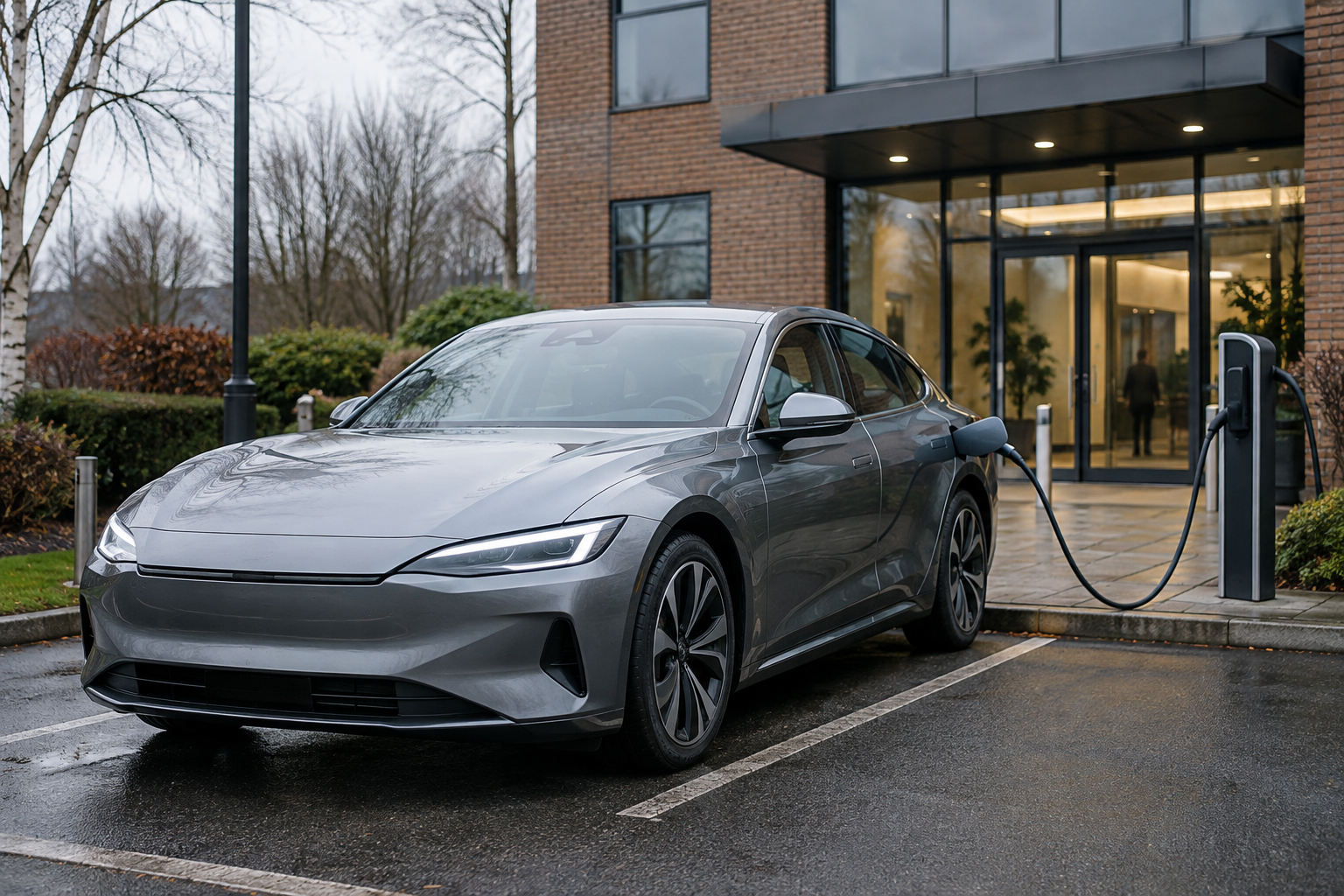
BMW i3 M Sport priced from £54,925 as range reaches 519 miles
BMW’s electric executive saloon pairs long-range capability with low company-car tax, but options and wheel choice affect the buying calculation.
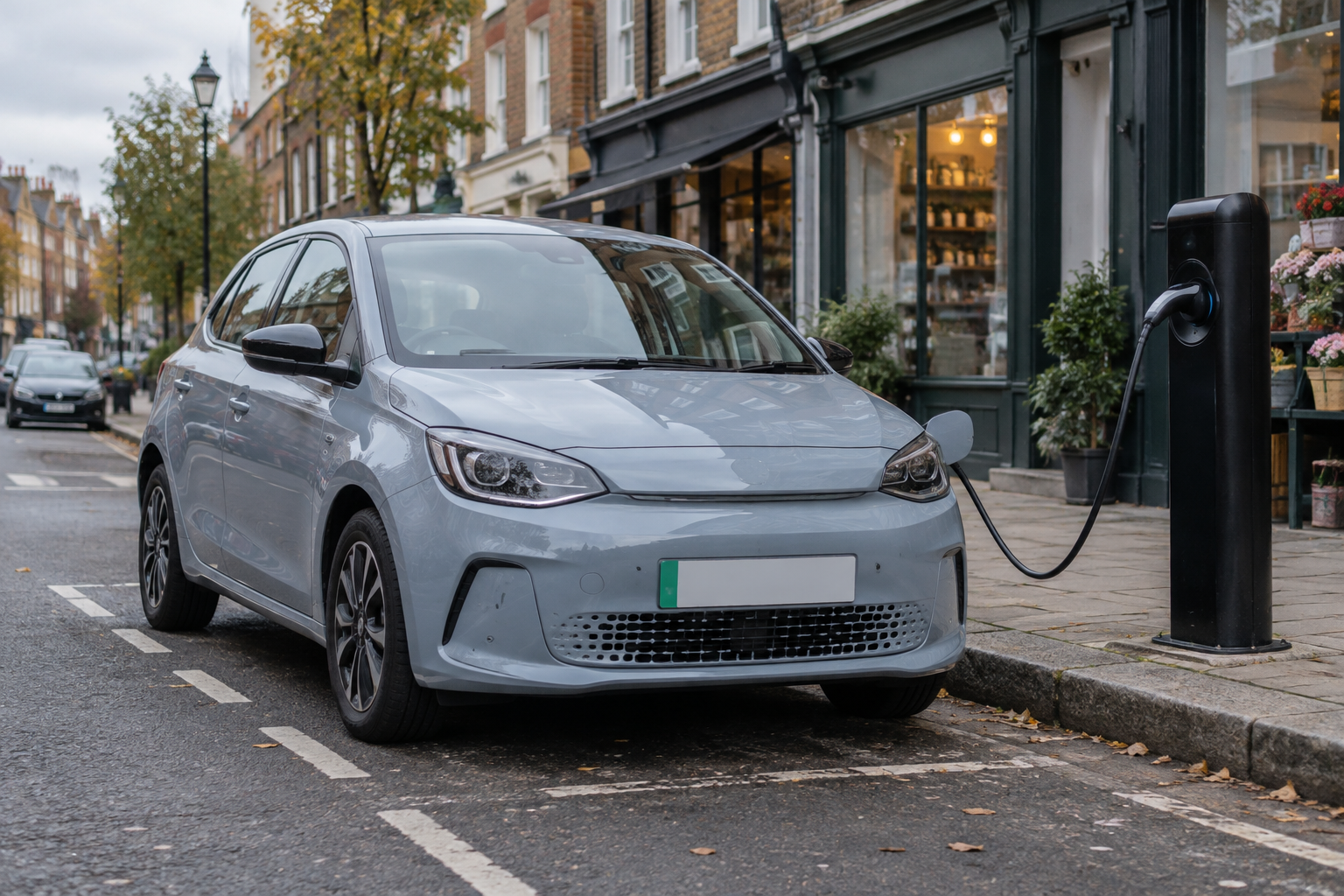
Renault Twingo to cost £14,745 after UK electric car grant
A £3,750 government grant brings the electric Renault Twingo's starting price level with the petrol Dacia Sandero.
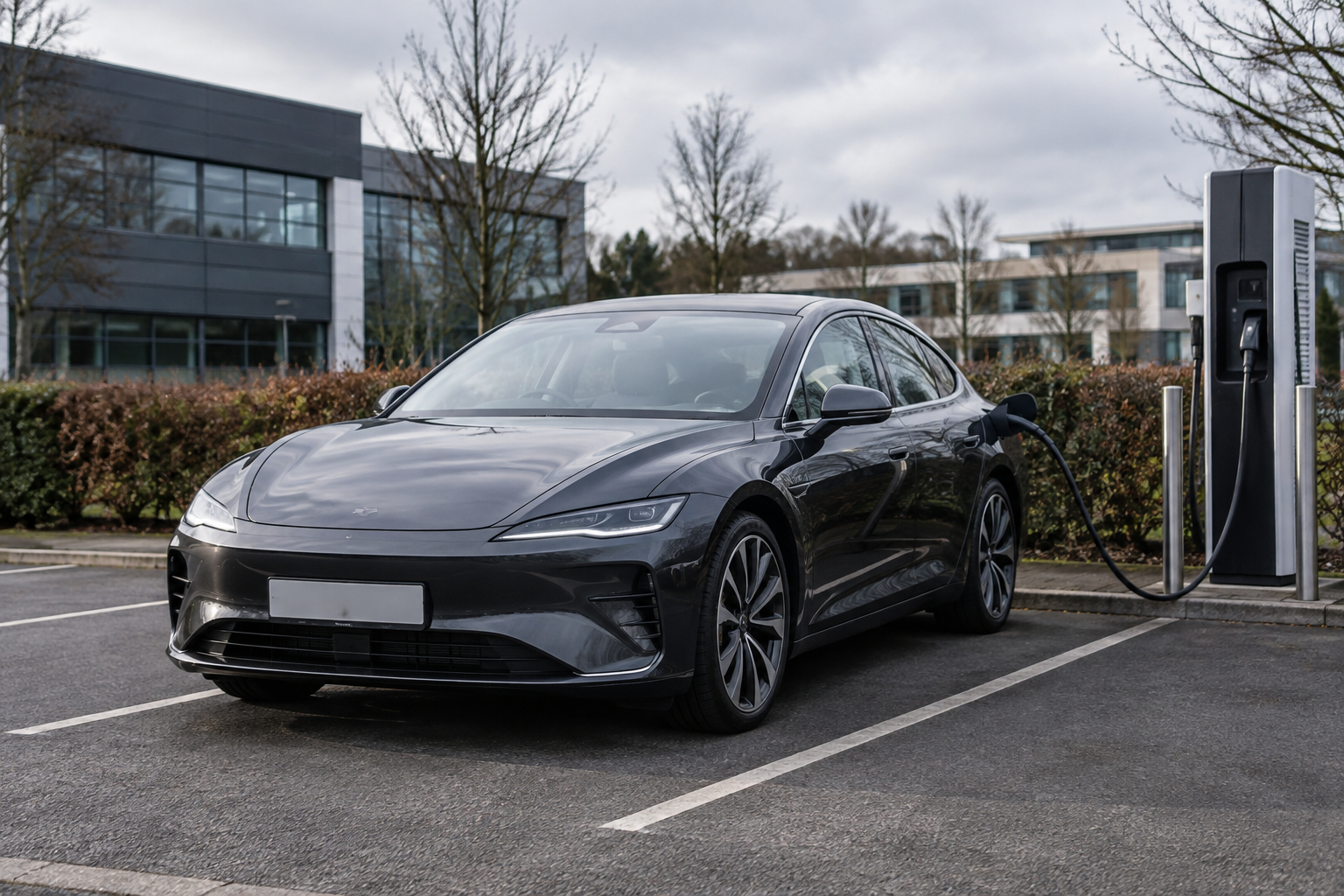
BMW launches £54,925 i3 with up to 566 miles of range
The electric 3 Series arrives with a large battery and 400kW peak charging, while cheaper versions are set to follow.
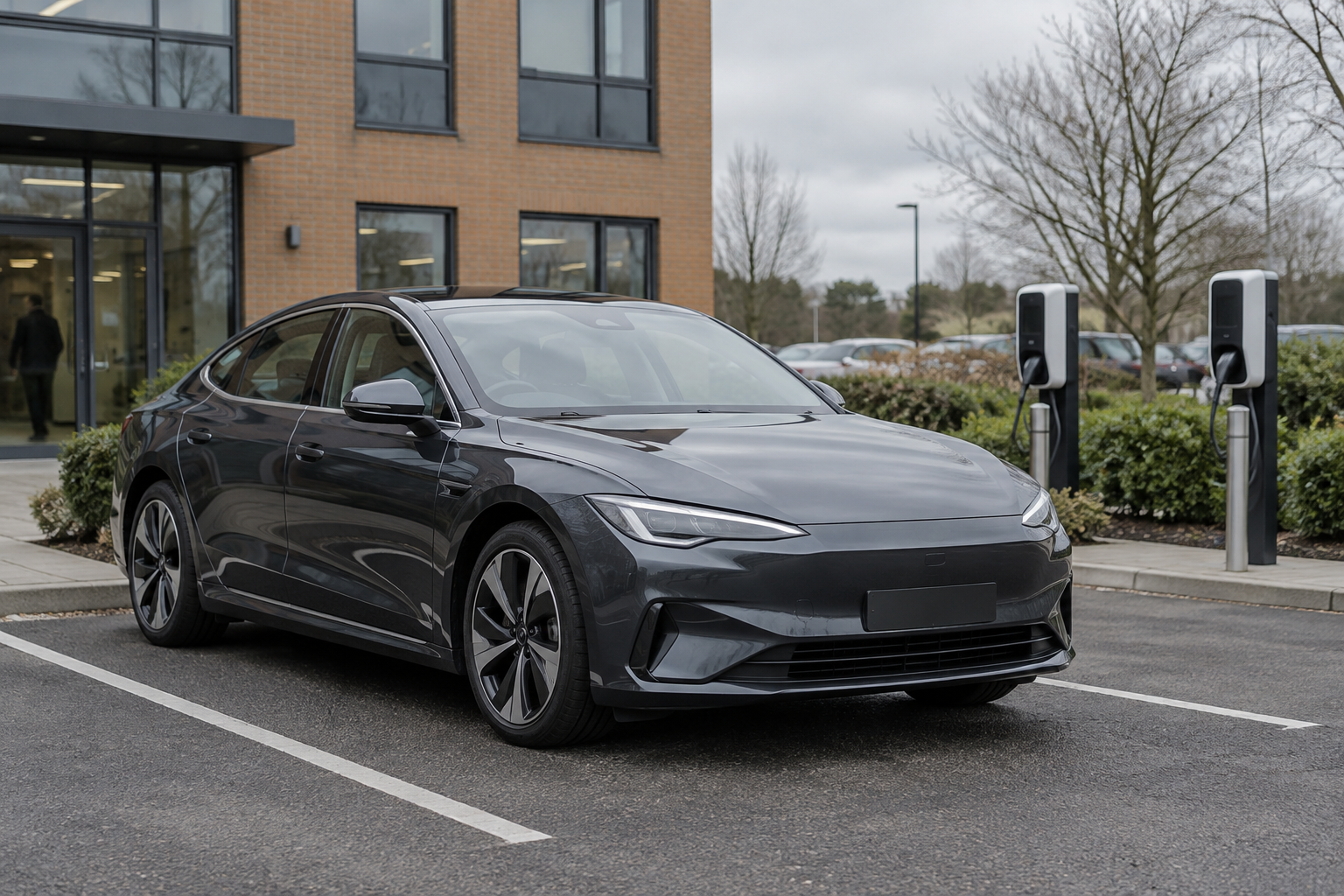
Hyundai Ioniq 6 starts at £33,240 after grant-backed price cut
The updated electric saloon offers up to 423 miles of official range, with revised trims securing the full £3,750 Electric Car Grant.