Cars for Business Owners
BMW i3 M Sport priced from £54,925 as range reaches 519 miles
BMW’s electric executive saloon pairs long-range capability with low company-car tax, but options and wheel choice affect the buying calculation.

By Marcus Bell, Lifestyle & Motoring Editor ·
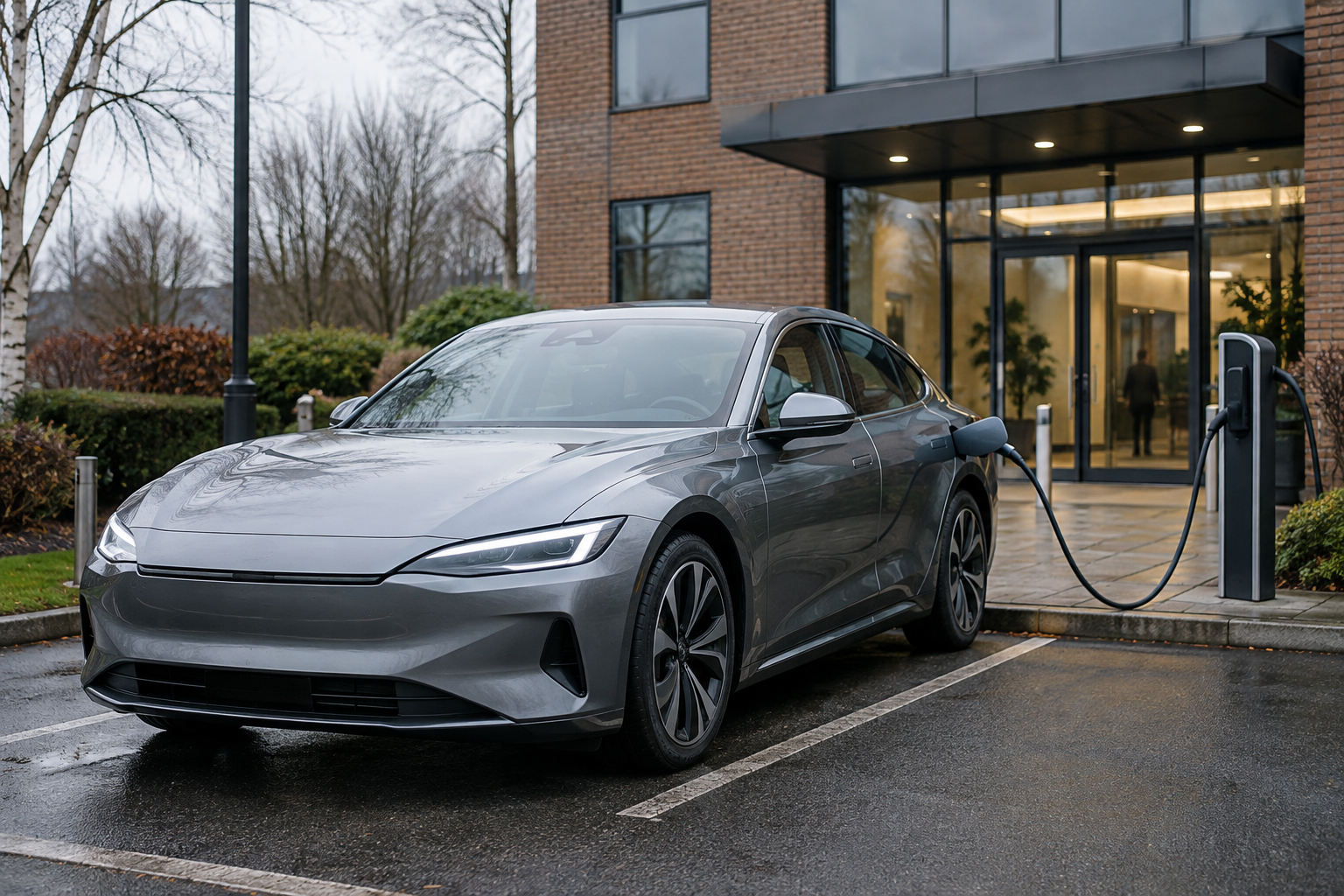
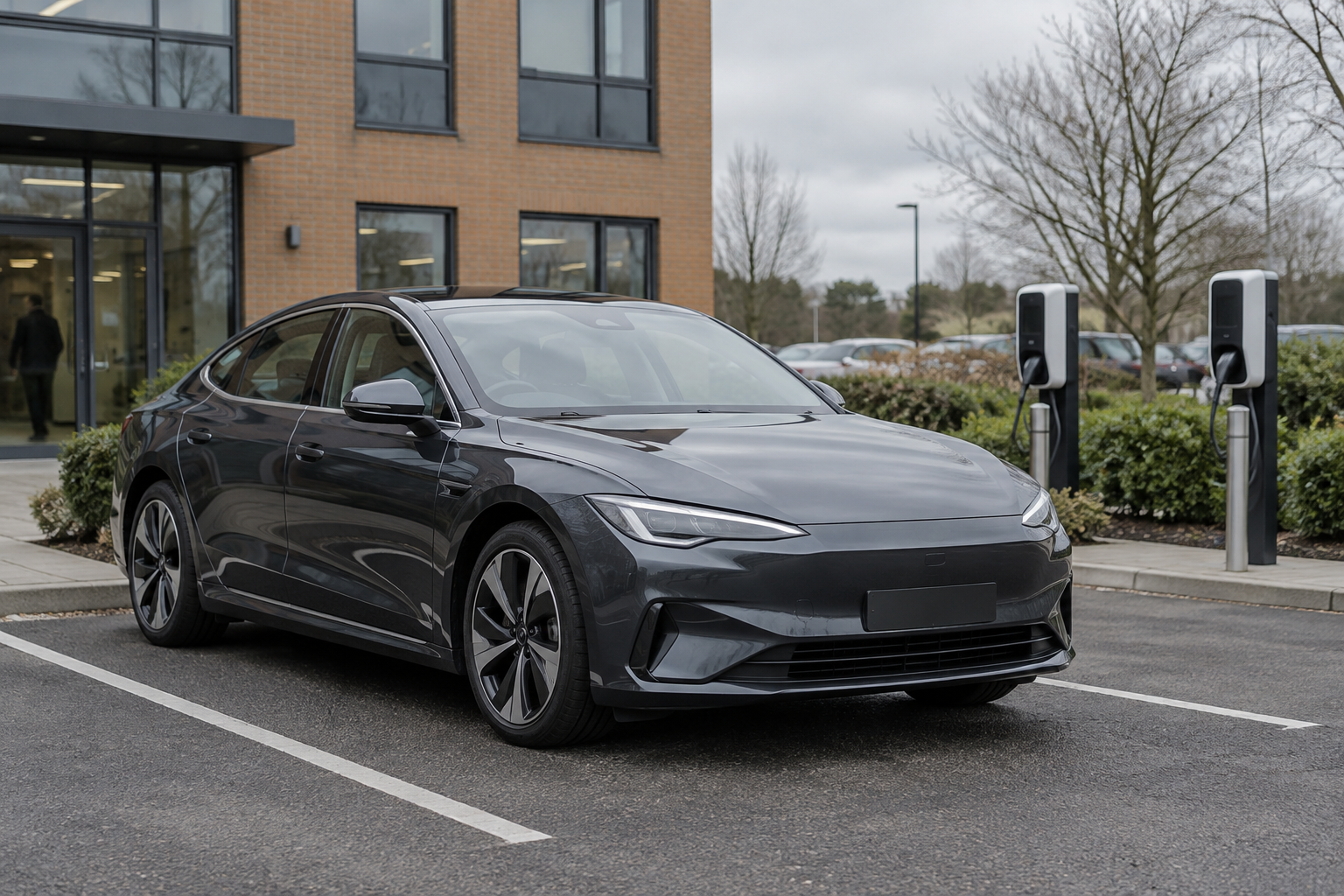
BMW’s new electric i3 50 xDrive M Sport starts at £54,925 in the UK, with the specification reviewed rated for up to 519 miles between charges. For company-car drivers considering the executive saloon in 2026, that puts equipment choice alongside price and charging access in the buying calculation.
A car assessed by motoring journalist Tim Barnes-Clay for City AM cost £63,162 after options. His roughly 20-mile drive from the outskirts of Arundel to Chichester covered rural lanes, dual carriageways, suburban roads and city streets in cold conditions.
What happened
The i3 is BMW’s electric interpretation of the 3 Series executive saloon. Its highest official range figure, up to 566 miles, applies to the i3 50 xDrive in Base specification rather than the M Sport tested, which had 20-inch wheels and optional equipment.
That distinction leaves a 47-mile difference between the two quoted maximums. Buyers comparing versions therefore need the official figure for their selected trim and wheel combination, rather than assuming the headline distance applies throughout the range.
The car has a 108.7kWh battery and two electric motors delivering a combined 469hp and 645Nm of torque. BMW quotes acceleration from 0–62mph in 4.7 seconds and a maximum speed of 124mph.
For longer journeys, BMW claims DC charging at up to 400kW can add 263 miles of range in 10 minutes under suitable conditions. A 22kW AC charging system is available as an option; it was fitted to the reviewed car.
The short road test returned efficiency of 3.0 miles per kWh, against BMW’s official 3.9–4.6 miles per kWh. The cold weather and varied route limit what that result can establish about performance over a full charge, and the test did not verify either quoted maximum range.
The background
BMW offers three equipment levels: Base, M Sport and M Sport Pro. Base includes 19-inch alloy wheels, heated front seats and a 17.9-inch angled infotainment touchscreen, alongside Panoramic Vision, which displays information across the lower section of the windscreen.
M Sport adds sportier styling, while M Sport Pro brings further equipment and visual changes. The reviewed car’s options increased its price by £8,237 over the M Sport starting figure, illustrating the need to compare complete specifications rather than entry prices alone.
Its additional equipment included a heated steering wheel, electric bootlid, illuminated exterior detailing, M Sport brakes with dark blue callipers, a panoramic glass sunroof and sun protection glass. Automatic air conditioning also appeared among the extras listed for the car.
Technology options included Motorway Assistant, Parking Assistant Professional, a 3D head-up display, surround-sound audio and BMW Digital Premium. These were part of the reviewed specification, not a statement of what every M Sport includes as standard.
Purchase price is only one part of the business-car comparison. The lower-cost end of the electric market is also changing, including the Renault Twingo’s price after the UK electric car grant, although the BMW sits in the executive saloon category.
For fully electric company cars, the benefit-in-kind rate is 4% in the 2026/27 tax year. Using £63,162 as an illustrative P11D value, a driver paying income tax at 40% would face an annual company-car tax bill of about £1,011. The final calculation depends on the car’s actual P11D value.
That distinction between purchase cost and the employee’s tax bill also features in the company-car tax comparison for the Range Rover Electric. For the BMW, the illustrative figure is a personal tax calculation, not an estimate of the employer’s total ownership costs.
The i3’s list price exceeds the £50,000 threshold cited for the Expensive Car Supplement. An additional £440 a year therefore applies to vehicle excise duty in years two to six, a separate cost from benefit-in-kind taxation.
London travel brings another charge. From January 2026, eligible electric cars registered for Transport for London Auto Pay receive a 25% Congestion Charge discount, taking the daily payment from £18 to £13.50 rather than removing it altogether.
What people are saying
Nicola Verrall, BMW UK’s product operations manager, highlighted the Base model’s maximum range while acknowledging the popularity of M Sport among customers. Her position was that buyers choosing the sportier specification would still retain substantial distance between charges.
Verrall also said BMW developed its Heart of Joy computing system internally to preserve the driving behaviour associated with the 3 Series. The company says the system coordinates important vehicle functions and driving dynamics.
Barnes-Clay’s assessment was positive on comfort and control, although he found the suspension relatively firm. He reported limited body movement over uneven surfaces and a car that recovered its composure quickly after bumps, rather than continuing to bounce.
On bends, the reviewer noted strong grip and steering that gained weight progressively as speed increased. At lower speeds, he found the car quiet and straightforward to manage in busier streets, giving the assessment a broader basis than performance figures alone.
Verrall described the design as retaining recognisable BMW features within a sportier saloon shape. On charging, she said she used both workplace and public facilities as part of her regular routine.
What happens next
For prospective users without home charging, access to workplace or public infrastructure remains a practical consideration before choosing the car. The claimed rapid-charging performance is conditional, so business journey planning still needs to account for suitable charging points, weather and speed.
Employers considering electric vehicles across different roles also face distinct equipment requirements, from executive saloons to specialist vehicles such as Whitby Morrison’s electric ice cream van. For the i3, specifying the optional 22kW AC system is a separate decision from relying on its DC charging capability.
A prospective driver’s test should also establish whether the firmer ride suits regular use, particularly for someone with back discomfort. The review identified that as a possible limitation despite its favourable assessment of the car’s handling and refinement.
Why this matters
For directors and employees covering long business distances, the i3 combines substantial official range with a relatively low illustrative company-car tax bill. The procurement decision still extends beyond that tax figure: options added £8,237 to the reviewed car, while the Expensive Car Supplement and London Congestion Charge remain relevant costs. Employers also need to match the selected specification with charging access, rather than treating the Base model’s 566-mile maximum as a promise for every version.
Frequently asked questions
- How much does the new BMW i3 M Sport cost?
- The BMW i3 50 xDrive M Sport starts at £54,925. The reviewed car cost £63,162 with optional equipment, an increase of £8,237 over the starting price.
- What is the range of the 2026 BMW i3?
- BMW quotes up to 566 miles for the i3 50 xDrive in Base trim. The reviewed M Sport, with 20-inch wheels and optional equipment, was rated at up to 519 miles.
- How quickly can the BMW i3 charge?
- BMW claims DC charging at up to 400kW, adding 263 miles of range in 10 minutes under suitable conditions. A 22kW AC charging system is optional.
- How much company-car tax would a BMW i3 driver pay?
- At the 4% electric-car benefit-in-kind rate for 2026/27, an illustrative £63,162 P11D value gives a 40% taxpayer a bill of about £1,011 a year. The actual amount depends on the final P11D value.
- Does the BMW i3 pay the Expensive Car Supplement?
- The i3’s list price exceeds £50,000, so the additional £440 annual vehicle excise duty charge applies in years two to six.
- What efficiency did the BMW i3 achieve in the road test?
- The car returned 3.0 miles per kWh during a roughly 20-mile drive in cold weather. BMW’s official figure is 3.9–4.6 miles per kWh; the short test did not establish full-charge range.
- Is the BMW i3 exempt from the London Congestion Charge?
- Electric cars are no longer fully exempt. From January 2026, eligible electric cars registered for Transport for London Auto Pay receive a 25% discount, reducing the daily charge from £18 to £13.50.
In this story
Topics: BMW i3 M Sport · 2026 BMW i3 range · BMW i3 UK price · BMW i3 company car tax · BMW i3 charging speed · BMW i3 50 xDrive review · electric executive saloon · All Cars for Business Owners news →
Original reporting: City AM. This article is an independent write-up by British Business Echo.
Latest from the newsdesk
- E-commerce
Meta launches Muse shopping agent with major UK retailers
- Funding & Business Finance
British Business Bank takes £43m Oxford Science Enterprises stake
- Business Mistakes / Lessons Learned
Next business data accessed in supplier cyberattack
- Business Growth
UK pork producers secure Vietnam access and Philippines deal
- Business Regulation
HSE tools help small firms check health and safety duties
Related stories
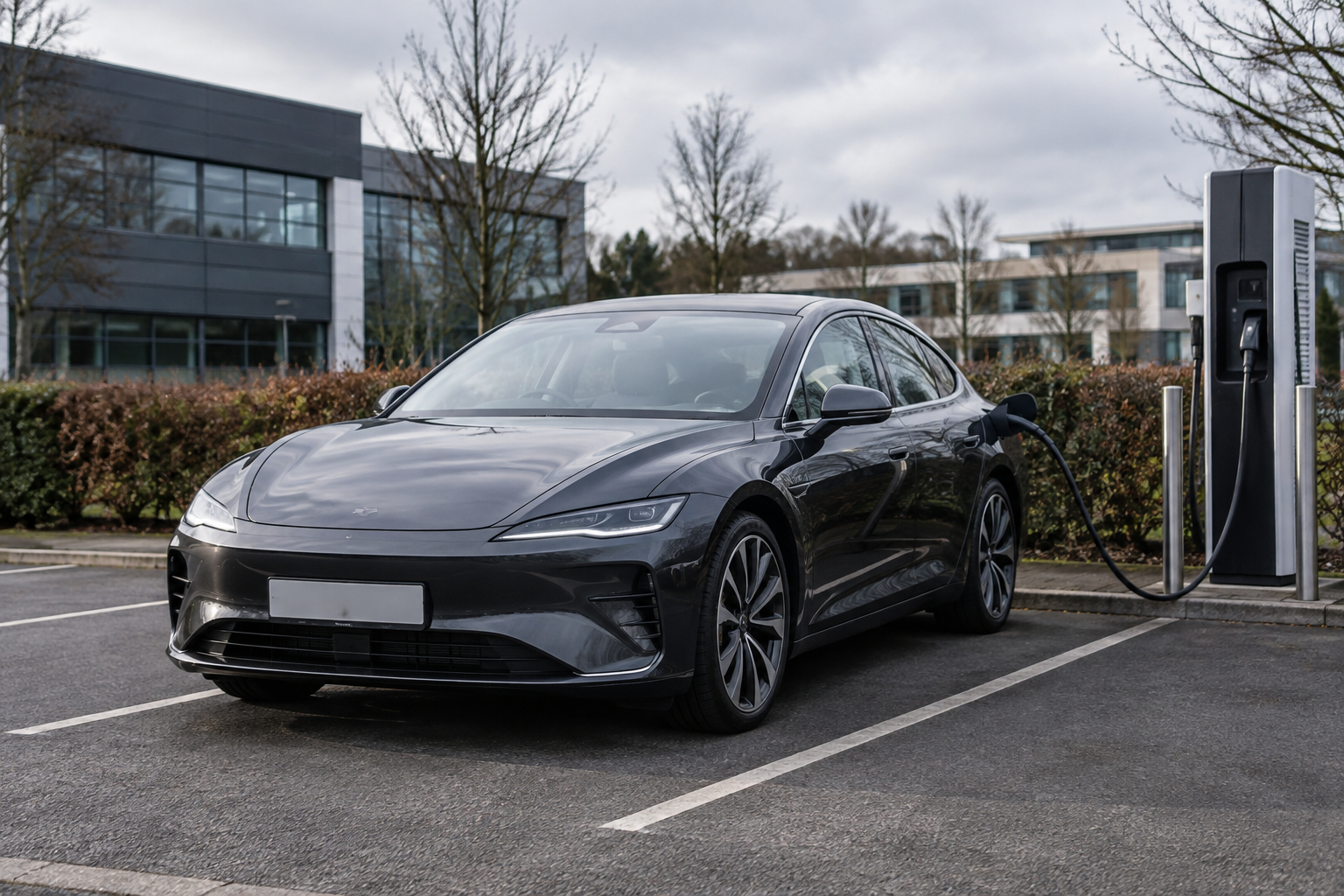
BMW launches £54,925 i3 with up to 566 miles of range
The electric 3 Series arrives with a large battery and 400kW peak charging, while cheaper versions are set to follow.
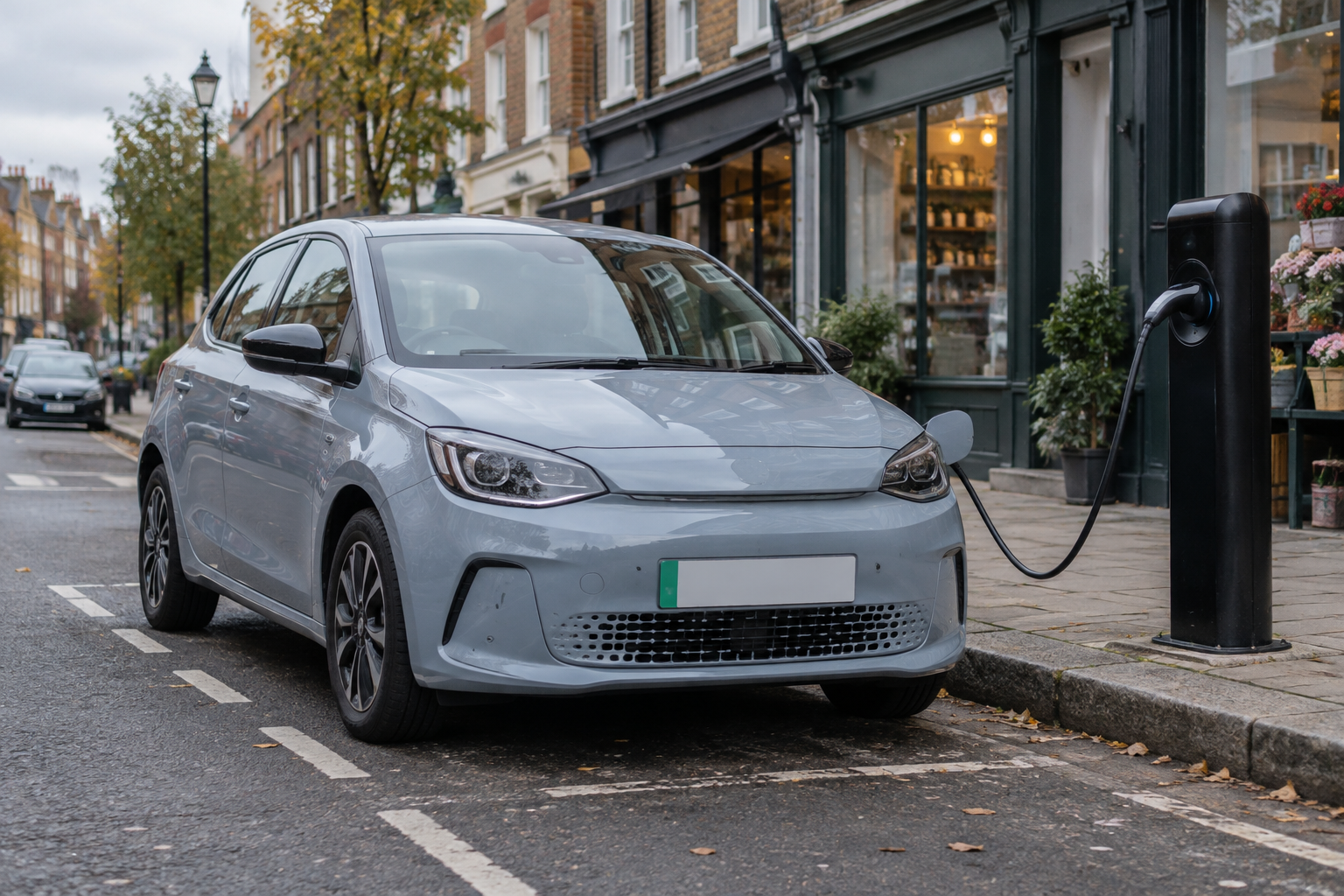
Renault Twingo to cost £14,745 after UK electric car grant
A £3,750 government grant brings the electric Renault Twingo's starting price level with the petrol Dacia Sandero.
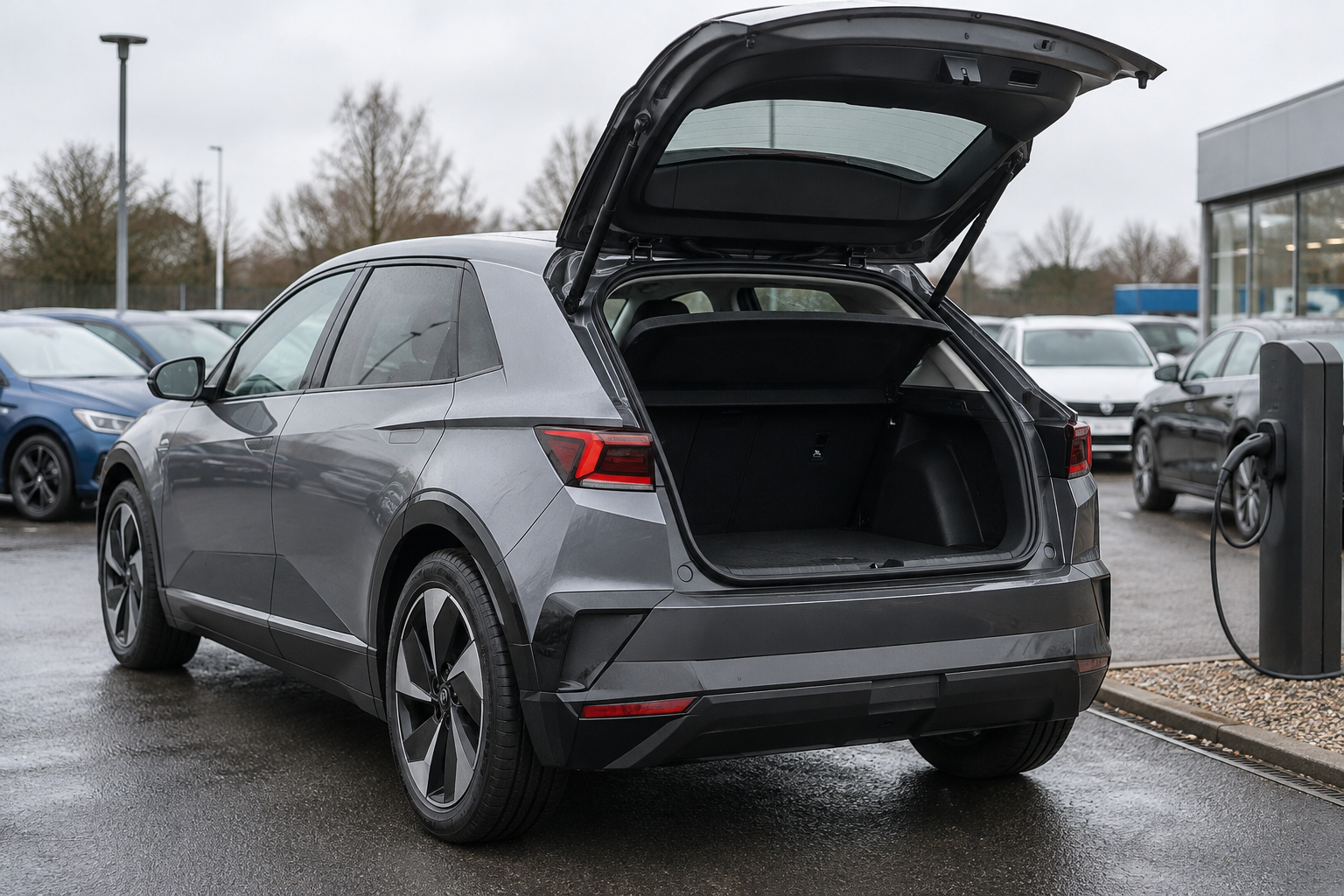
Used Hyundai Ioniq 5 prices start at £11,000
Early Ioniq 5s offer a lower-cost route into electric motoring, but battery specification, servicing and recall records need scrutiny.
Hyundai Ioniq 6 starts at £33,240 after grant-backed price cut
The updated electric saloon offers up to 423 miles of official range, with revised trims securing the full £3,750 Electric Car Grant.