Company Cars & Benefits
Range Rover Electric offers £19,000 company car tax saving
The £154,070 electric SUV carries a higher purchase price than the V8, but lower benefit-in-kind rates cut bills for drivers and employers.

By Marcus Bell, Lifestyle & Motoring Editor ·
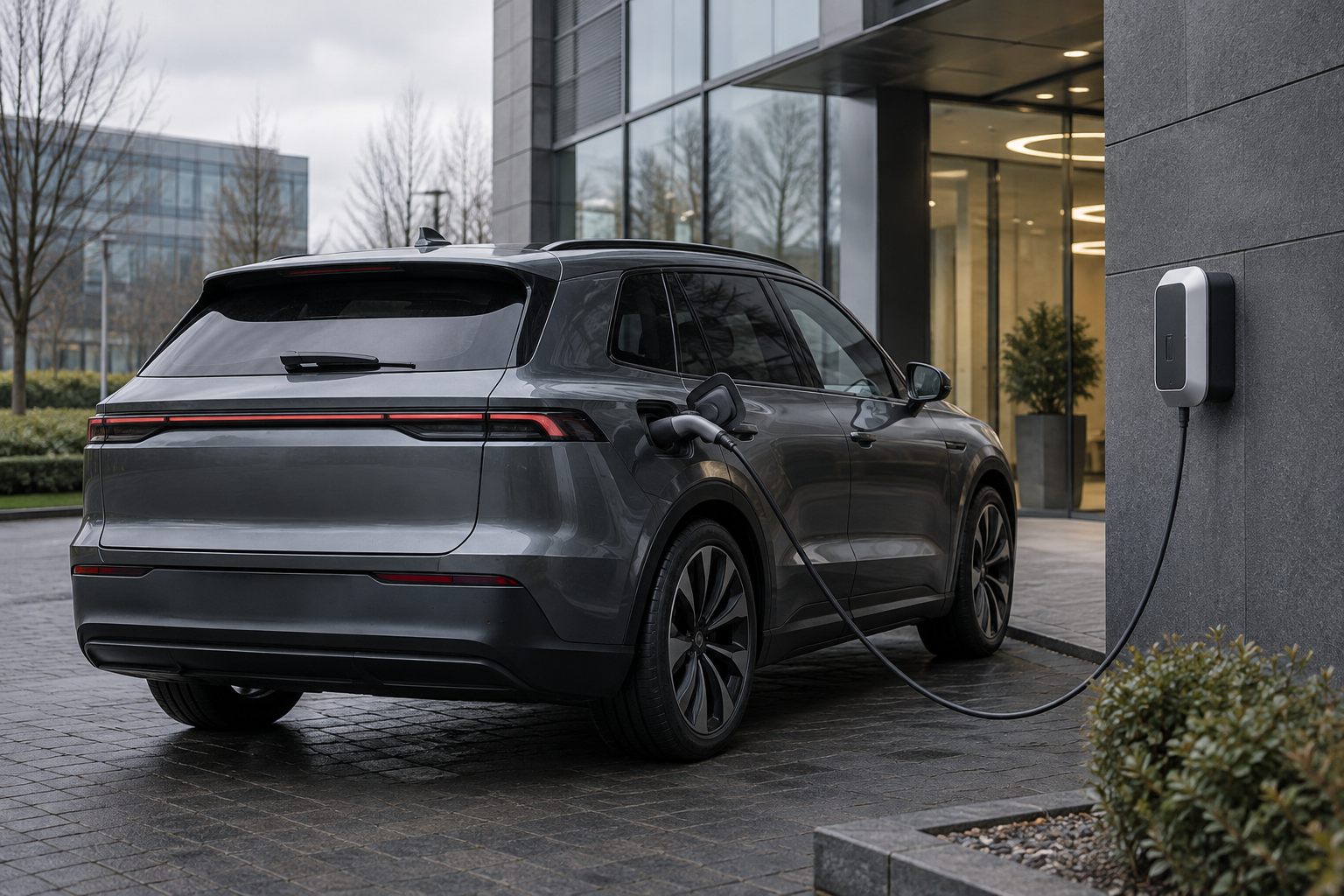
UK company car drivers paying 40% income tax face an annual benefit-in-kind bill of about £2,465 for the £154,070 Range Rover Electric in 2026/27, roughly £19,000 below the comparable V8. The electric model costs about £8,900 more to buy, but its lower taxable benefit also reduces the employer’s National Insurance bill.
The comparison, published by City AM, follows a Budget setting company car tax rates through to 2030/31. Its running-cost calculations assume 10,000 miles annually, home charging and 230 working days entering central London’s Congestion Charge zone.
What happened
The electric Autobiography’s £154,070 starting price compares with £145,145 for the V8 Autobiography. For company car users, however, the purchase-price difference is outweighed by the proportion of each vehicle’s value treated as a taxable benefit.
In 2026/27, the electric car attracts a 4% benefit-in-kind rate. The V8’s emissions of 261g/km place it in the 37% band applying to cars producing at least 160g/km. Multiplying those percentages by the respective list prices and the driver’s income tax rate produces annual bills of approximately £2,465 and £21,481.
For a driver paying 45% income tax, the corresponding figures are about £2,773 for the electric model and £24,167 for the V8. These are personal tax liabilities, rather than the full cost of supplying or operating either vehicle.
Employers also pay National Insurance at 15% on the taxable benefit. On the comparison’s figures, that charge falls from approximately £8,100 annually for the V8 to about £920 for the electric alternative.
Adding energy, vehicle excise duty and weekday Congestion Charge payments produces an annual bill from year two of around £6,500 for the electric car and nearly £29,500 for the V8. Those totals combine costs that may be split between employer and employee; they are not equivalent deductions from the driver’s salary.
The background
The electric Range Rover went on sale in September. Above the entry Autobiography, prices are £157,610 for the First Edition, £176,230 for the SV and £190,320 for the SV Black. The long-wheelbase SV Black reaches £225,240.
The P550e plug-in hybrid provides a lower-priced comparison, at around £138,500 in Autobiography specification. Its approximately 70-mile electric range puts it in the 7% company car tax band for 2026/27, giving a 40% taxpayer an annual bill of about £3,880.
Across the four tax years ending in 2029/30, the comparison puts the hybrid’s cumulative company car tax at approximately £28,800, against £15,400 for the electric model. The distinction is important for a four-year lease because the hybrid’s tax treatment changes substantially during that period.
Charging location makes a separate difference to operating costs. At the electric car’s official efficiency, 10,000 miles requires roughly 3,570kWh. An off-peak home tariff of 9p per kWh gives an annual electricity bill of about £320; using the cited standard tariff of 26p raises it to around £940.
Zapmap’s September average of 79p per kWh for public rapid charging would instead put that bill near £2,800. Businesses assessing access to cheaper charging also face infrastructure constraints, reflected in fleet charging options designed to bypass grid delays.
The V8’s official consumption of up to 24.6mpg gives a petrol bill of about £3,200 over the same distance at 174p a litre. Actual consumption can exceed the official figures for both vehicles. The distinction between home and public charging costs also makes checks on EV charging expense claims relevant to fleet budgets.
Road tax creates another difference at registration. The electric car’s first-year charge is £10, compared with £5,690 for the V8. From years two to six, both pay £640 annually under the comparison’s rates: a £200 standard charge plus the £440 Expensive Car Supplement. The supplement applies to electric cars priced above £50,000.
Electric vehicles are no longer exempt from London’s Congestion Charge, following the exemption’s withdrawal at the end of 2025. The electric Range Rover pays £13.50 a day when registered for Auto Pay, a 25% reduction on the £18 charge paid by the V8 and hybrid. Across 230 working days, that means £3,105 rather than £4,140.
What people are saying
Range Rover specifies two electric motors producing 542bhp and a 118.5kWh battery. It quotes an official maximum range of 372 miles and estimates around 333 miles in everyday use, alongside efficiency of up to 2.8 miles per kWh.
The vehicle’s towing limit is 2,500kg, one tonne below petrol and diesel Range Rovers. That leaves a practical restriction for businesses choosing vehicles for heavier towing duties, regardless of the tax comparison.
The Treasury’s published rates put electric company cars at 10% in 2030/31, plug-in hybrids at 20% and the V8’s band at 40%. At those rates, the calculation still gives a 40% taxpayer an annual electric-versus-V8 saving of about £17,000.
For private buyers, there is no benefit-in-kind saving. The comparison estimates a recurring annual cost advantage from year two of about £3,900 for a London commuter and £2,900 outside the charging zone. Home charging underpins those figures, making scrutiny of private EV charger safety relevant alongside electricity prices.
What happens next
Orders are open, while pricing for the SV Ultra remains outstanding. The announced range therefore spans the Autobiography through to the long-wheelbase SV Black without a confirmed price for that further variant.
From April 2027, inflation-linked road tax increases take the standard rate from £200 to £210 and the V8’s first-year charge from £5,690 to £5,950. The latter generally falls to the employer when the vehicle is supplied as a company car.
The Budget extends both zero-rate VAT on home electricity and the 5p fuel duty reduction until the end of June 2027. Those measures affect the energy-price assumptions used when comparing home charging with petrol.
April 2028 brings the larger change for plug-in hybrid users: their company car tax rate moves to 18%, irrespective of electric range. That increases the importance of assessing the full lease term rather than using only the first year’s tax bill.
The same month introduces a 3p-per-mile charge for electric cars and half that rate for plug-in hybrids. At 10,000 miles annually, the additional costs are £300 and £150 respectively, on top of road tax. Both mileage rates rise with inflation from 2029/30.
London’s electric vehicle Congestion Charge discount then falls from 25% to 12.5% on 4 March 2030, reducing another element of the operating-cost advantage for regular central London journeys.
Timeline
End of 2025
Electric vehicles lose their London Congestion Charge exemption.
2026/27
Company car tax rates are 4% for the electric Range Rover and 37% for the V8.
April 2027
Standard road tax rises to £210; the V8’s first-year charge increases to £5,950.
End of June 2027
Extensions to zero-rate VAT on home electricity and the 5p fuel duty reduction run to this point.
April 2028
Plug-in hybrid company car tax reaches 18%; electric and hybrid mileage charges begin.
2029/30
Electric and plug-in hybrid mileage charges begin rising with inflation.
4 March 2030
The electric vehicle Congestion Charge discount falls to 12.5%.
2030/31
Company car tax rates reach 10% for electric vehicles, 20% for hybrids and 40% for the V8 band.
Why this matters
For directors choosing company cars, the comparison shows why list price alone can misrepresent the financial cost. The electric Range Rover costs more to buy but carries substantially lower personal tax and employer National Insurance liabilities than the V8. Charging access, mileage and London journeys change the operating-cost calculation. Businesses considering a four-year hybrid lease also face a sharp tax increase from April 2028, making costs across the full agreement more useful than the opening year’s bill.
Frequently asked questions
- How much company car tax does the Range Rover Electric cost?
- For 2026/27, the £154,070 Range Rover Electric attracts a 4% benefit-in-kind rate. Annual company car tax is approximately £2,465 for a 40% taxpayer or £2,773 for someone paying 45%.
- How much tax does the Range Rover Electric save against the V8?
- A 40% taxpayer pays about £19,000 less annually in 2026/27. The electric model’s bill is approximately £2,465, compared with £21,481 for the £145,145 V8 Autobiography.
- Is the Range Rover Electric cheaper to tax than the P550e hybrid?
- For a 40% taxpayer, annual tax is about £2,465 for the electric model and £3,880 for the P550e in 2026/27. Across four tax years to 2029/30, estimated totals are £15,400 and £28,800 respectively.
- Does the Range Rover Electric pay the London Congestion Charge?
- Yes. When registered for Auto Pay, it pays £13.50 daily, compared with £18 for the V8 or hybrid. That produces a £1,035 saving over 230 working days. The electric vehicle discount falls to 12.5% on 4 March 2030.
- How much does it cost to charge a Range Rover Electric?
- At official efficiency, 10,000 miles costs approximately £320 using 9p-per-kWh off-peak home electricity, or £940 at 26p. Public rapid charging at the cited September average of 79p puts the annual bill near £2,800.
- What is the Range Rover Electric's range and towing capacity?
- Range Rover quotes an official range of up to 372 miles and estimates around 333 miles in everyday driving. Its towing capacity is 2,500kg, one tonne below petrol and diesel Range Rovers.
- What tax changes affect the Range Rover Electric from 2028?
- A 3p-per-mile charge starts in April 2028, adding £300 annually at 10,000 miles, with inflation-linked increases from 2029/30. Its company car benefit-in-kind rate reaches 10% in 2030/31.
In this story
Follow-up coverage
Topics: Range Rover Electric company car tax · Range Rover Electric benefit in kind · Range Rover Electric vs V8 · Range Rover P550e company car tax · Range Rover Electric charging costs · Range Rover Electric Congestion Charge · Range Rover Electric price UK · All Company Cars & Benefits news →
Original reporting: City AM. This article is an independent write-up by British Business Echo.
Latest from the newsdesk
- E-commerce
Meta launches Muse shopping agent with major UK retailers
- Funding & Business Finance
British Business Bank takes £43m Oxford Science Enterprises stake
- Business Mistakes / Lessons Learned
Next business data accessed in supplier cyberattack
- Business Growth
UK pork producers secure Vietnam access and Philippines deal
- Business Regulation
HSE tools help small firms check health and safety duties
Related stories
Cubic3 survey exposes gaps in EV charging expense checks
Almost half of surveyed fleets rely on drivers to report home charging costs, while 48% have received expense claims they could not verify.
Safer Charging warns of unchecked private EV chargers
The maintenance firm says ageing home and workplace chargers risk going unchecked, while ministers rule out extending public-network regulations.
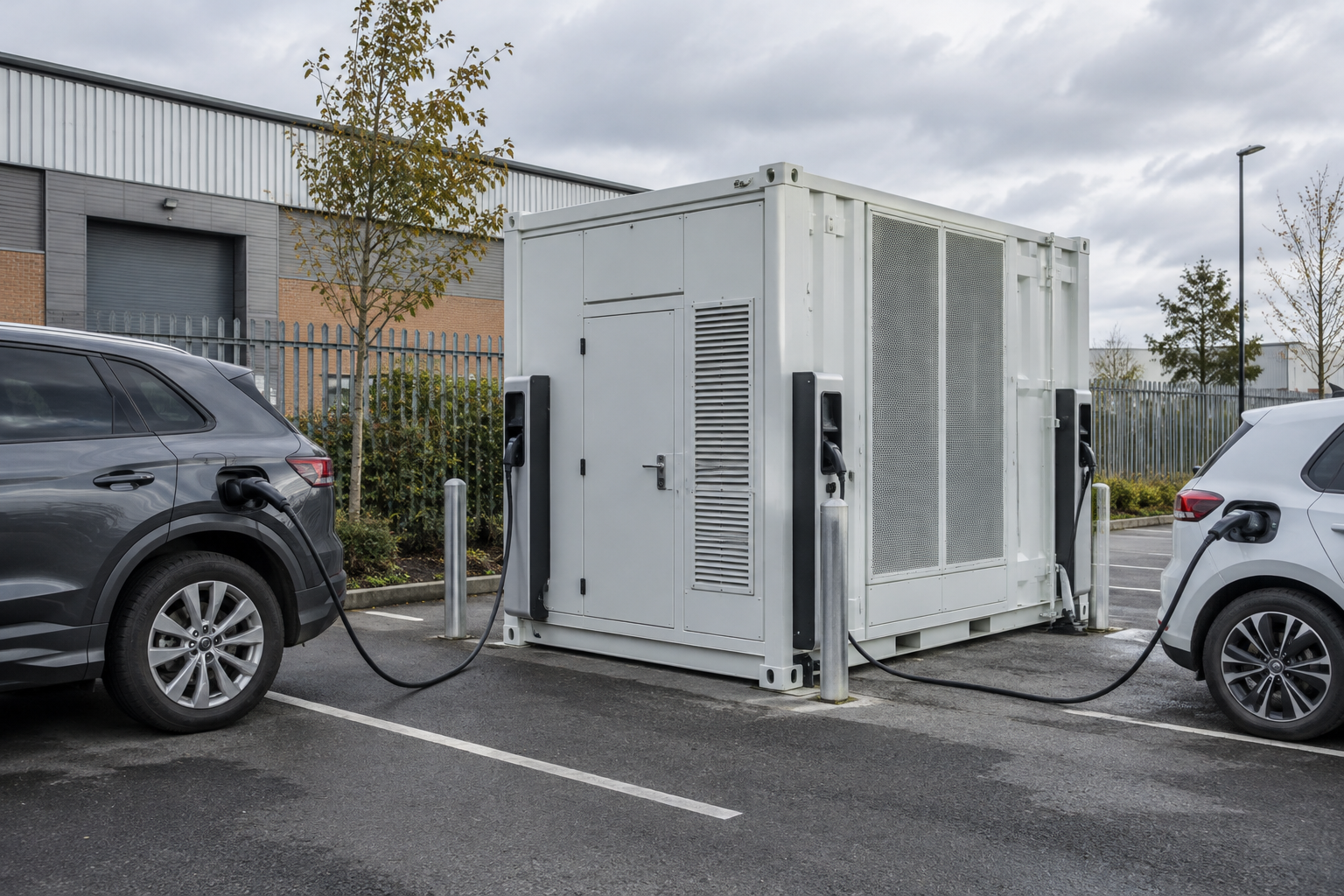
Ayvens and Fellten offer fleet chargers to bypass grid delays
The partners will use battery-backed charging units to help workplaces with limited power supply and cut reliance on costly public networks.
UK government weighs cut to 2030 electric vehicle sales target
The government is considering lowering the 2030 electric car sales requirement from 80% to 60%, but Downing Street says no decision has been made.