Company Cars & Benefits
Cubic3 survey exposes gaps in EV charging expense checks
Almost half of surveyed fleets rely on drivers to report home charging costs, while 48% have received expense claims they could not verify.

By Marcus Bell, Lifestyle & Motoring Editor ·
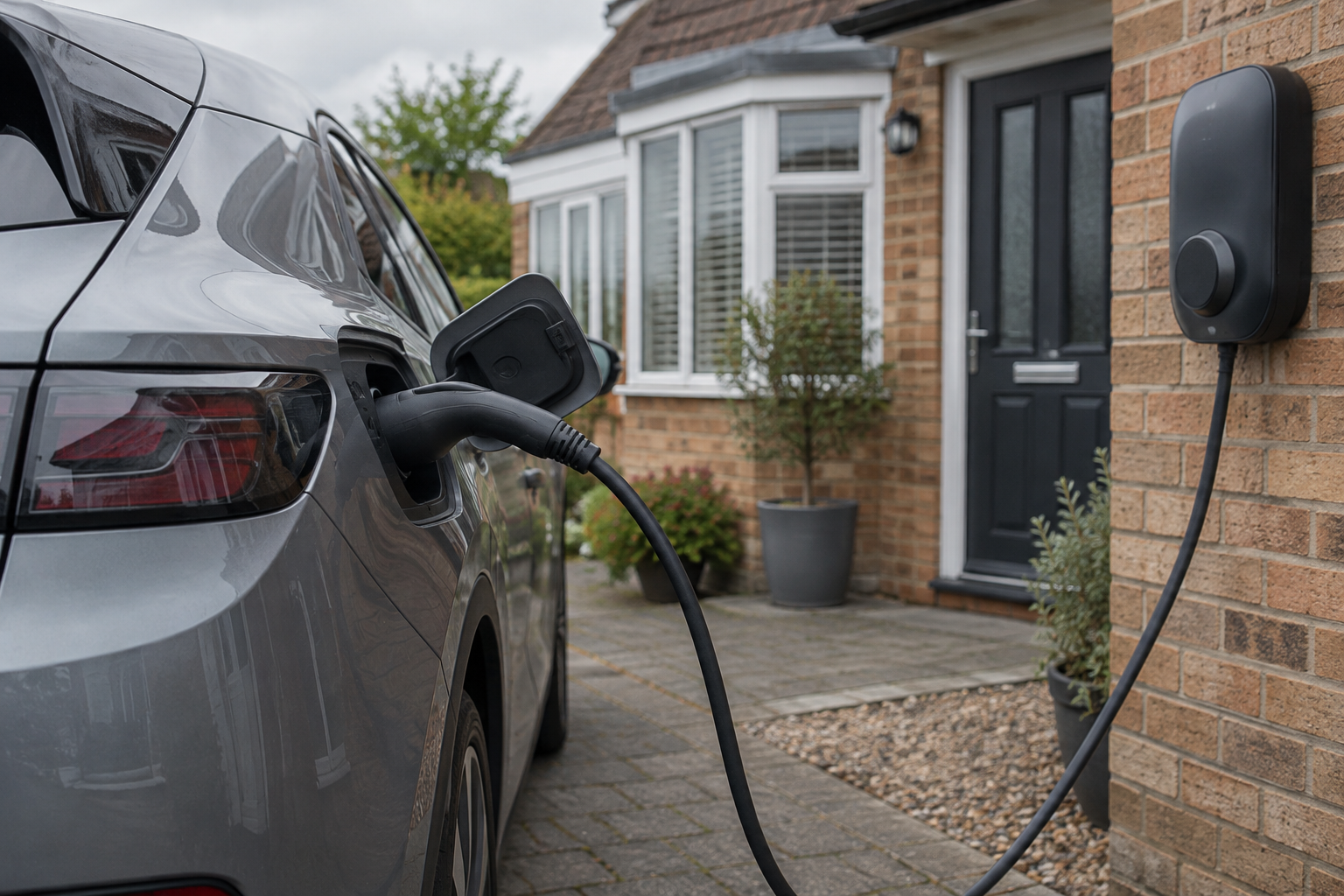
Fleet operators face gaps in their electric vehicle charging expense checks, with 44% relying on drivers to report home charging costs, according to research commissioned by mobility software company Cubic3.
The survey of 250 fleet, finance and procurement leaders found that 48% had received expense claims they could not substantiate during the preceding 12 months. The findings, reported by Autocar, highlight a reimbursement problem as employers expand their electric fleets.
What happened
Nearly a third of respondents, 31%, reported transactions made without authorisation on company credit, fuel or charging cards over the same period. Separately, 30% had encountered at least one instance of suspected or established fraud. The findings do not put a monetary value on those incidents.
Respondents’ confidence in detecting problems was substantially higher than their assessment of day-to-day control. While 93% believed they could spot fraudulent or unauthorised spending, only 41% considered their expenses to be under control.
Almost two-thirds, 64%, said they had complete visibility of costs. However, 34% struggled to track expenditure accurately by vehicle and driver, leaving a significant group without a reliable breakdown of spending.
Electric vehicles were adding to the administrative burden for 54% of those surveyed, who said charging complicated payments and spending management. The survey put the average time devoted to payment and spend management at 171 hours a year.
Expense verification is distinct from the physical checks required for charging equipment. A separate warning about unchecked private EV chargers from Safer Charging highlights another issue for organisations using charging away from public networks.
The background
Reimbursing drivers for electricity used at home has long been difficult because vehicle charging can be mixed into a household’s wider energy bill. Asking drivers to report their costs was the most common reimbursement method identified in the research.
HM Revenue & Customs publishes advisory electric rates every quarter, with different mileage allowances for home charging and public charging. The rates provide a straightforward basis for processing claims without calculating the precise electricity cost of each journey.
That convenience comes with a limitation: a standard mileage allowance cannot match every combination of electricity tariff and vehicle efficiency.
Using the figures cited in the report, a driver paying an Ofgem-capped electricity price of 26.3p per kWh would need to achieve 3.8 miles per kWh to cover their costs through the 7p-per-mile home charging allowance. That efficiency calculation includes electricity lost during charging.
The same allowance can exceed the actual cost by a considerable margin for drivers with cheaper overnight electricity. Those tariffs typically reduce charging expenditure to less than 2p a mile, creating a different reimbursement outcome for the same business mileage.
Charging arrangements also depend on access to infrastructure. Ayvens and Fellten’s fleet charging offer aimed at bypassing grid delays addresses that separate operational obstacle, rather than the verification of drivers’ expenses.
What people are saying
HMRC allows employers to use their own reimbursement rates instead of the advisory figures. Operators must be able to demonstrate that an alternative reflects actual costs, or risk excess payments being treated as untaxed income.
Only 20% of the fleets surveyed said they used a tariff or meter to calculate home charging costs. That leaves direct measurement far less widely used than driver reporting, despite the evidence needed to support an employer’s own rate.
Paul Foley, Cubic3’s vice-president of in-vehicle payments, said the central issue was the difference between operators’ confidence and their actual control of expenditure. He argued that payments should be tested against company rules before approval, rather than reviewed only after the money had been spent.
What happens next
Respondents expected electric vehicles to account for an average of 49% of their fleets within three years. Cubic3 warned that weaknesses in home charging reimbursement would become more consequential as that share increased.
Those expectations are fleet-level forecasts, not a regulatory timetable. Separately, the UK government is weighing a reduction in the 2030 electric vehicle sales target.
For operators choosing bespoke reimbursement rates, the practical requirement remains evidence of real charging costs. Foley’s proposed change is earlier payment scrutiny; it is a recommendation from Cubic3, rather than a new requirement announced by HMRC.
Why this matters
For UK employers, home charging reimbursement combines expense verification with a tax compliance question. Standard mileage rates simplify claims but can differ substantially from drivers’ actual electricity costs, while bespoke rates require supporting evidence. With surveyed operators expecting electric vehicles to reach an average 49% of their fleets within three years, finance directors face a growing volume of payments to check, alongside spending management already taking an average 171 hours annually.
Frequently asked questions
- What did Cubic3 find about EV charging expenses?
- Cubic3’s survey found that 44% of fleets relied on drivers to report home charging costs. Across respondents’ expense management, 48% had received claims they could not verify during the preceding 12 months.
- How common is fraud in fleet expenses?
- Among the 250 fleet, finance and procurement leaders surveyed, 30% reported at least one suspected or confirmed fraud case in the preceding 12 months. The survey did not assign a monetary value to those cases.
- What is the HMRC home charging mileage rate?
- The report cites a home charging advisory electric rate of 7p per mile. HMRC publishes rates quarterly and provides separate allowances for charging at home and on public networks.
- Does the advisory electric rate cover home charging costs?
- It depends on the electricity tariff and vehicle efficiency. At 26.3p per kWh, the report calculates that drivers need 3.8 miles per kWh, including charging losses, to break even against a 7p-per-mile allowance.
- Can employers set their own EV charging reimbursement rate?
- HMRC permits employers to set alternative rates, but they must demonstrate that these reflect actual costs. Otherwise, excess reimbursement risks being treated as untaxed income.
- How many fleets measure home charging costs?
- Only 20% of fleets in the Cubic3 survey said they used a tariff or meter to calculate home charging costs. Driver self-reporting was the most common method.
- How does Cubic3 suggest fleets reduce payment risks?
- Paul Foley, Cubic3’s vice-president of in-vehicle payments, recommends checking payments against company rules before they are made, rather than relying on reconciliation after spending has occurred.
In this story
Follow-up coverage
Topics: EV charging expenses · Cubic3 fleet survey · electric vehicle expense fraud · HMRC advisory electric rates · home charging reimbursement · company car charging costs · fleet payment controls · All Company Cars & Benefits news →
Original reporting: Autocar. This article is an independent write-up by British Business Echo.
Latest from the newsdesk
- E-commerce
Meta launches Muse shopping agent with major UK retailers
- Funding & Business Finance
British Business Bank takes £43m Oxford Science Enterprises stake
- Business Mistakes / Lessons Learned
Next business data accessed in supplier cyberattack
- Business Growth
UK pork producers secure Vietnam access and Philippines deal
- Business Regulation
HSE tools help small firms check health and safety duties
Related stories
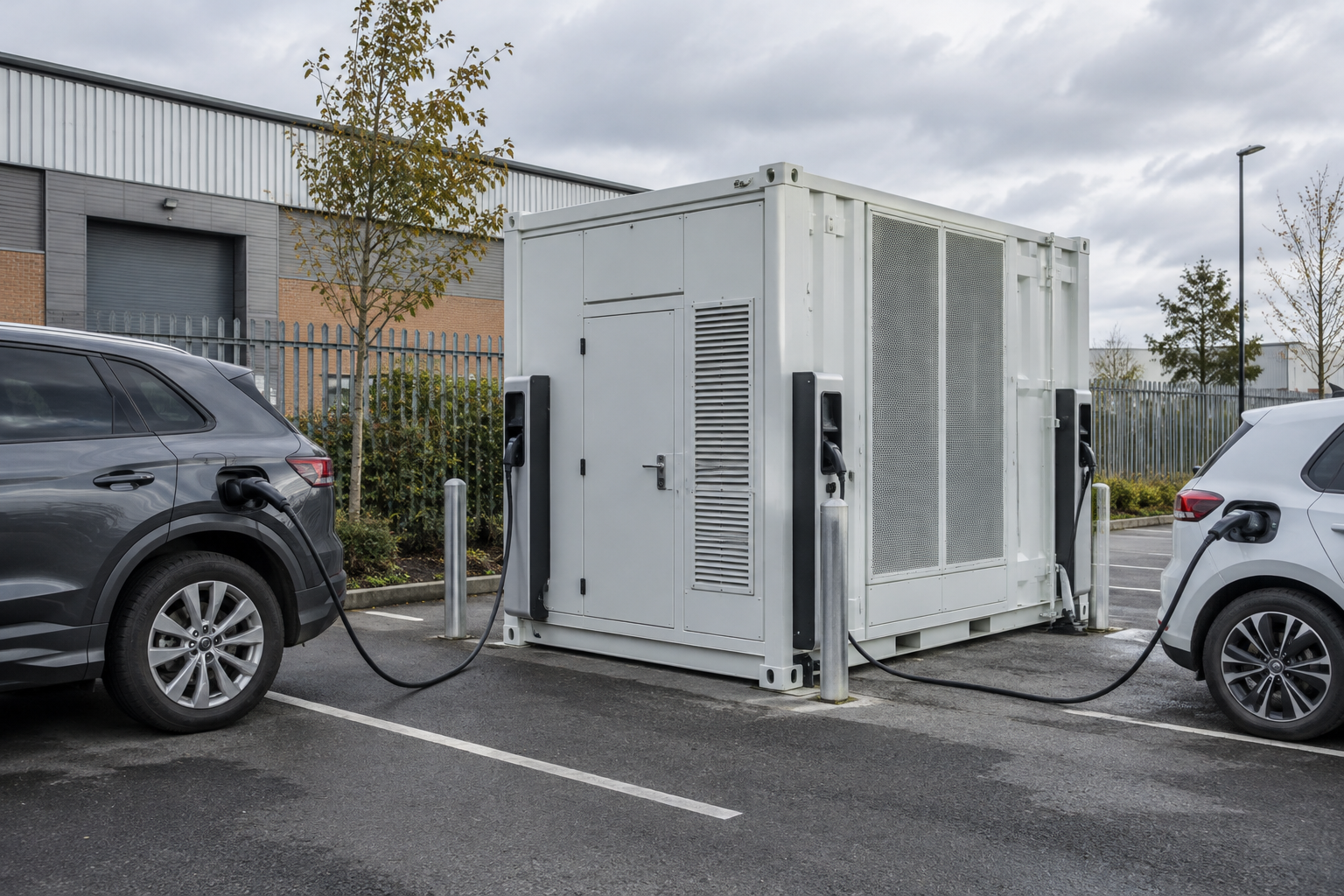
Ayvens and Fellten offer fleet chargers to bypass grid delays
The partners will use battery-backed charging units to help workplaces with limited power supply and cut reliance on costly public networks.
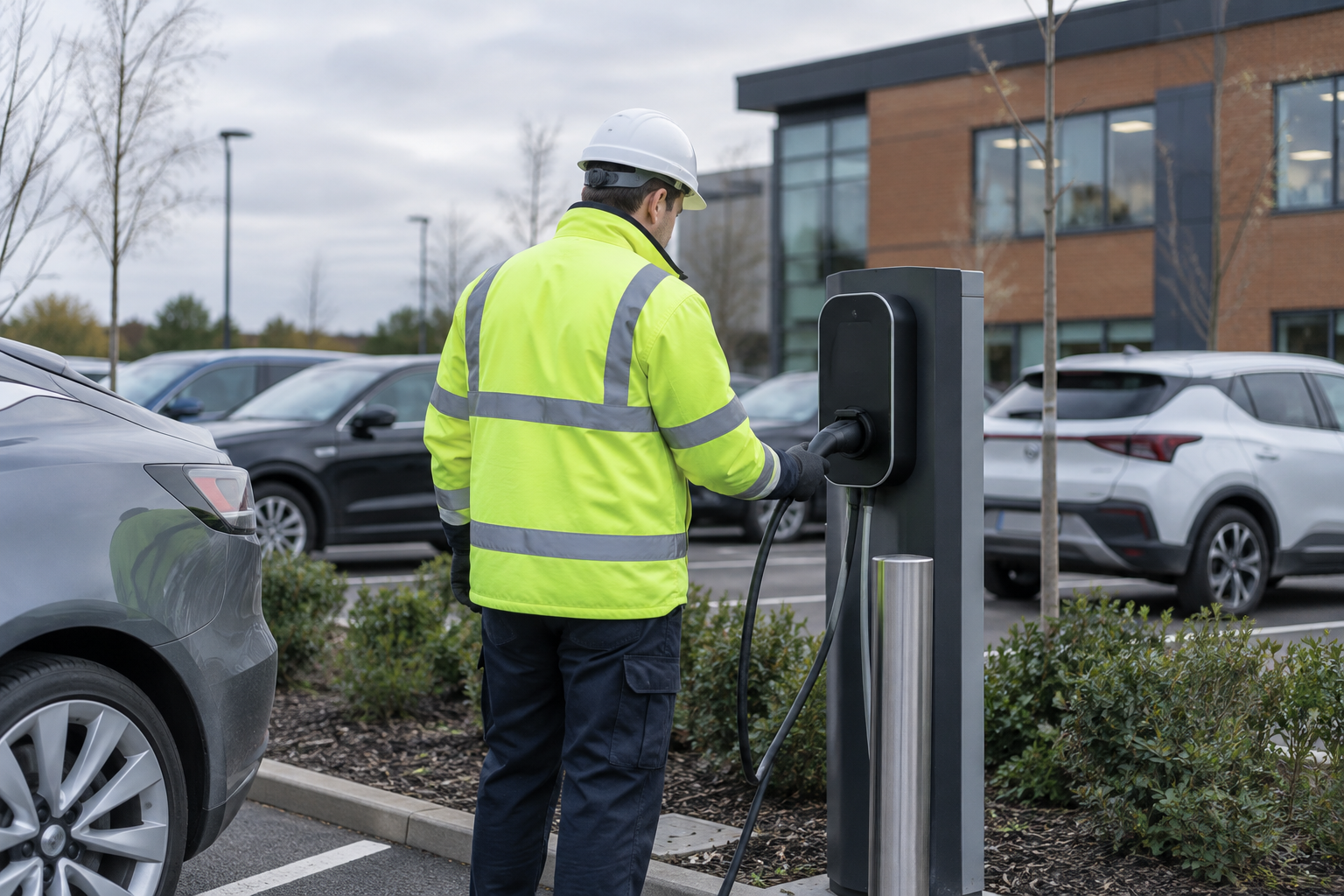
Safer Charging warns of unchecked private EV chargers
The maintenance firm says ageing home and workplace chargers risk going unchecked, while ministers rule out extending public-network regulations.
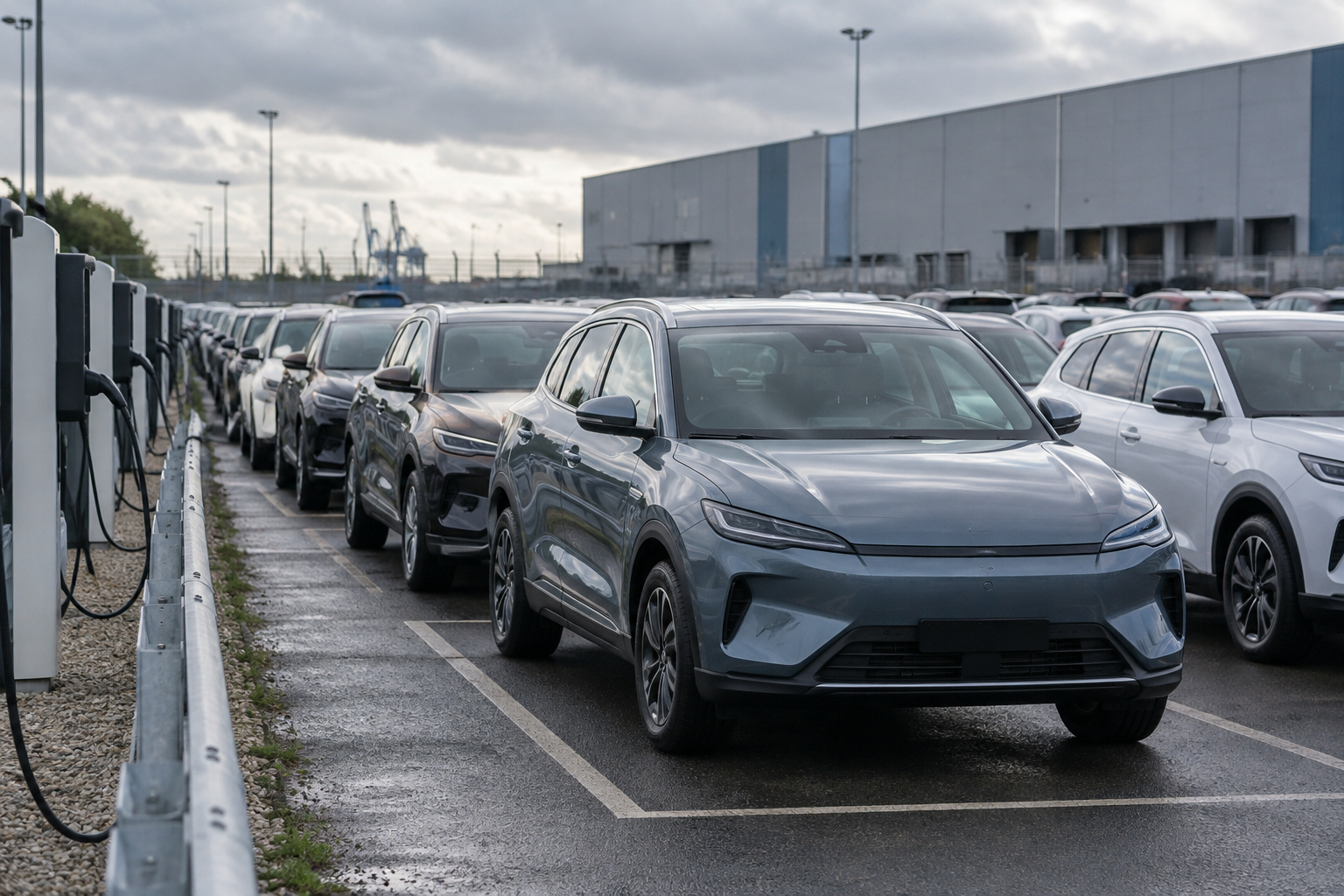
UK government weighs cut to 2030 electric vehicle sales target
The government is considering lowering the 2030 electric car sales requirement from 80% to 60%, but Downing Street says no decision has been made.
Volkswagen caps charging at 80% for 5,000 UK cars over fire risk
Selected Volkswagen and Cupra electric cars face battery checks after an over-the-air update restricted charging over overheating concerns.