Business Growth
UK pork producers secure Vietnam access and Philippines deal
Vietnam has reopened to UK processed animal protein, while a Philippines agreement protects pork trade against countrywide disease restrictions.

By Eleanor Whitcombe, Editor ·
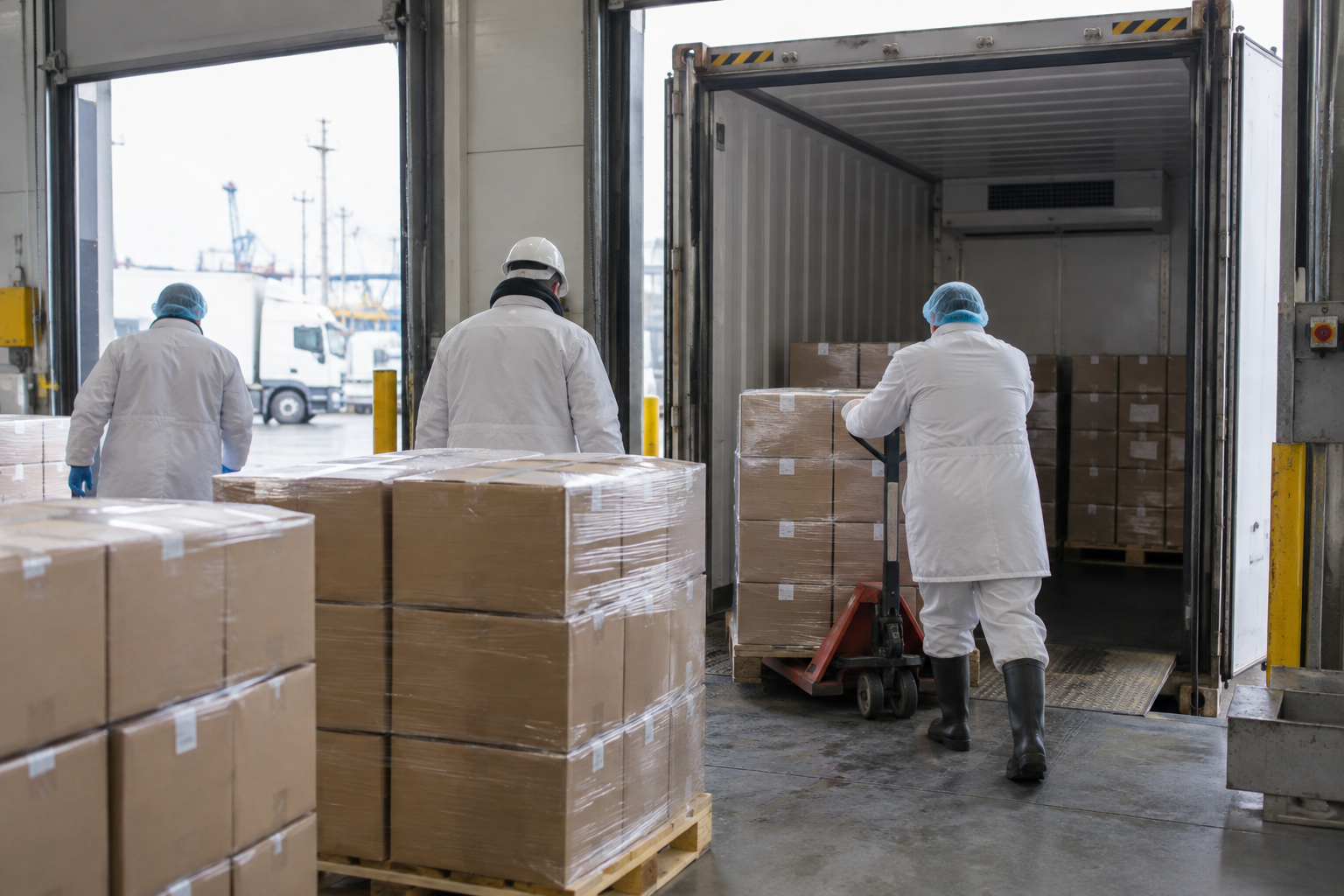
British meat producers have secured renewed access to Vietnam for processed animal protein and safeguards for pork exports to the Philippines, covering trade estimated at £242 million over five years. The agreements followed a trade mission led by Biosecurity and Trade Minister Baroness Hayman from 9–14 November.
The delegation included 14 British business representatives spanning seafood, meat, animal protein and whisky. Its programme took businesses to cities including Manila and Hanoi to meet potential trading partners and decision-makers, according to GOV.UK Business.
What happened
Vietnam has reopened its market to UK processed animal protein, a by-product of meat production used in feed for livestock and fish. The government estimates the opportunity is worth £70 million to exporters over five years, following an industry campaign to restore access.
The Philippines agreement addresses a different commercial risk: the potential interruption of British pork sales if African Swine Fever, or ASF, were detected in the UK. It protects exports estimated at £172 million over five years by allowing trade to continue from areas unaffected by an outbreak.
Together, the measures combine a reopened market with protection for an existing trading relationship. The £242 million total is therefore not an estimate of wholly new sales: the larger component relates to safeguarding future pork exports to the Philippines.
Under the regionalisation arrangement, an outbreak in one part of the UK would not automatically trigger restrictions on pork from the whole country. Exports from the affected area would stop, while disease-free regions could continue supplying the Philippine market.
Such agreements depend on the importing country recognising the exporter's disease-control arrangements, surveillance and zoning systems. The UK has never had an ASF outbreak, so the agreement establishes how trade would be handled if one occurred rather than responding to a current incident.
The background
The Philippines has become the UK's second-largest pork export market outside the European Union. Pork already features among the principal British exports to the country, alongside animal feed, whisky and processed foods, making continuity of access important to established suppliers.
Vietnam is also a substantial trading partner for British food businesses. It is the UK's sixth-largest destination for seafood exports, while wider annual agricultural trade between the two countries is valued at £779.2 million.
The processed animal protein market had been closed for more than three years, according to Andrew Brown, a FABRA member and managing director of Advanced Proteins. He described Vietnam as a historically important destination for the sector and said its abrupt closure had affected the industry.
Restoring that route matters particularly to rendering and protein businesses, whose products serve feed markets rather than being sold as meat for human consumption. The reopening gives those suppliers access to Vietnamese animal and fish feed customers again.
Trade also runs in the other direction. Vietnamese seafood, coffee and cashew nuts are among the products sold to UK consumers, making the relationship relevant to British importers as well as exporters.
The mission followed an earlier trade visit to India by the Environment Secretary. The government presented the latest agreements as part of its work to strengthen food security and supply chains through overseas trading relationships.
Food export policy is also developing in other product categories, including the separate FSA and FSS export roadmap for cell-cultivated food. The Vietnam and Philippines measures concern established meat and animal protein trade.
What people are saying
Baroness Hayman said the agreements would give farms and food businesses greater stability while creating opportunities for growth. She also argued that closer trading relationships would broaden consumer choice and benefit producers in both countries.
Jonathan Eckley, director of international trade development at the Agriculture and Horticulture Development Board, emphasised the importance of the two markets to UK exporters. Representing red meat and dairy businesses, he said trade missions helped establish relationships capable of delivering benefits over the longer term.
John Powell, chief executive of the British Meat Processors Association, said access to overseas customers gave processors opportunities to sell products made from British livestock. He linked that access to industry confidence in international demand and credited cooperation with the Department for Environment, Food and Rural Affairs for the progress.
Brown welcomed the Vietnamese reopening on behalf of FABRA and recognised the work of the minister and officials. He said restoring the trading route reinforced the importance of exports to the long-term viability of the UK's rendering and protein industries.
Alistair Collins, a director at J.G. Pears, identified a more immediate commercial prospect: resuming work with the company's previous partners in Vietnam. He said the business wanted to supply the country's animal feed market again with UK-produced processed animal proteins.
What happens next
During the visit, British and Vietnamese businesses and officials discussed how to make fuller use of the 2025 free trade agreement between the countries. Those discussions extended beyond individual export permissions to the wider opportunities available through the bilateral trading relationship.
The announcement does not set out shipment dates or individual contract values for the reopened protein market. Its £70 million figure is a five-year estimate of the export opportunity, rather than a disclosed order book.
Eckley said the Agriculture and Horticulture Development Board would continue working with government and the wider industry to develop export opportunities. Powell also pointed to further cooperation between meat processors and the environment department as the route to securing additional market access.
Why this matters
For UK meat processors and animal protein suppliers, the agreements address both sales opportunities and export disruption. Vietnam offers a restored outlet for a meat-sector by-product after more than three years of closure. In the Philippines, regionalisation reduces the risk that a localised disease outbreak would halt trade nationwide. Directors should distinguish the £70 million estimated Vietnamese opportunity from the £172 million of Philippine pork trade being protected: the combined figure is not a forecast of entirely new revenue.
Frequently asked questions
- What has Vietnam reopened to UK exporters?
- Vietnam has reopened its market to UK processed animal protein, a meat-sector by-product used in livestock and fish feed. The government estimates the export opportunity at £70 million over five years.
- What does the Philippines pork agreement cover?
- The regionalisation agreement allows British pork exports from disease-free areas to continue if African Swine Fever occurs elsewhere in the UK. It protects future trade estimated at £172 million over five years.
- Are the agreements worth £242 million in new exports?
- Not entirely. The combined five-year estimates comprise a £70 million reopened opportunity in Vietnam and £172 million of future pork exports protected by the Philippines agreement.
- Has the UK ever had African Swine Fever?
- The UK has never had an African Swine Fever outbreak. The Philippines agreement establishes how pork trade would be managed if an outbreak occurred.
- Why is the Philippines important for UK pork exports?
- The Philippines is the UK's second-largest pork market outside the European Union. Pork is already among the main British exports to the country, alongside animal feed, whisky and processed foods.
- How long was Vietnam closed to UK animal protein exports?
- The market had been closed for more than three years, according to Andrew Brown, a FABRA member and managing director of Advanced Proteins.
- Who joined the UK trade mission to Vietnam and the Philippines?
- Baroness Hayman led 14 British business representatives from the seafood, meat, animal protein and whisky sectors. The mission ran from 9–14 November and included Manila and Hanoi.
In this story
Topics: UK pork exports · Vietnam processed animal protein exports · Philippines pork trade agreement · African Swine Fever regionalisation · Baroness Hayman trade mission · UK Vietnam food trade · All Business Growth news →
Original reporting: GOV.UK Business. This article is an independent write-up by British Business Echo.
Latest from the newsdesk
- E-commerce
Meta launches Muse shopping agent with major UK retailers
- Funding & Business Finance
British Business Bank takes £43m Oxford Science Enterprises stake
- Business Mistakes / Lessons Learned
Next business data accessed in supplier cyberattack
- Business Regulation
HSE tools help small firms check health and safety duties
- SME / Owner-Managed Business
MoneySuperMarket: nearly 2m small firms skip Black Friday
Related stories

Sunderland Software City takes roles in £5m research projects
Three international projects link the North East to research in immersive retail, virtual opera and sustainable surface engineering.

Northern Trains opens £307m infrastructure tender
Up to 27 suppliers could join a five-year framework covering stations and depots, with a £21.2m lot reserved for SMEs.

Julie Firth urges firms to simplify how customers choose them
Familiarity, clear websites and well-placed reassurance can shape buying decisions before customers compare suppliers, argues Julie Firth.

Hush opens first three standalone stores in South East
The womenswear retailer has opened shops in Kent, Surrey and Buckinghamshire and is assessing locations for further expansion.