SME / Owner-Managed Business
MoneySuperMarket: nearly 2m small firms skip Black Friday
The estimated number of small businesses sitting out Black Friday has risen from 1.2 million last year, as owners weigh sales against discounting costs.

By Eleanor Whitcombe, Editor ·

Nearly 2 million UK small businesses are choosing not to take part in Black Friday this year, according to MoneySuperMarket research, compared with an estimated 1.2 million last year.
The estimate represents more than a third of small businesses. MoneySuperMarket surveyed 300 sole traders and business owners for the research, as reported by InternetRetailing.
What happened
Among businesses taking part, 53% believe Black Friday helps them attract new customers. Only 32% describe it as delivering an important increase in sales, showing a distinction between the event’s perceived value for customer acquisition and its contribution to trading.
Those findings add a small-business perspective to forecasts for Black Friday spending: the prospect of consumer spending does not translate into an equally strong endorsement from participating owners.
There are also reservations among businesses that have decided to offer promotions. Some 14% of participants believe the discounts reduce the value customers attach to their products, services or brand.
Separately, 8% of small business owners say they feel pressure to participate. That finding suggests the decision to join the event is not always based solely on an expectation of commercial benefit.
The background
Industry research cited alongside the survey suggests shoppers are approaching Black Friday as a way to reduce the cost of Christmas presents, rather than an occasion to spend freely. That distinction matters for retailers already facing pressure on profit margins, alongside modest growth in UK retail sales.
The concerns extend beyond the immediate cost of cutting prices. According to Boston Consulting Group research, more than 70% of consumers say repeated discounts lead them to question a brand’s quality. That finding concerns frequent promotions, rather than demonstrating that a single Black Friday offer causes the same response.
Other research cited in the report links deep discounting with dependence on reduced prices and weaker long-term brand loyalty. For owners assessing a promotion, the potential cost therefore includes its effect on future customer behaviour as well as the margin on the discounted sale.
What people are saying
Alicia Hempsted, business insurance expert at MoneySuperMarket, interprets the findings as evidence that owners are examining Black Friday more carefully before committing to it.
Her assessment recognises different outcomes for different businesses: participating firms can gain customers and sales, while others are questioning whether lower prices suit their commercial strategy. She does not present participation as the right choice for every small business.
What happens next
Businesses opting out of Black Friday are not necessarily rejecting sales events altogether. Next and Marks & Spencer are among the larger British retailers that do not participate, instead setting their own promotional timetables.
For businesses that do proceed with offers, pricing decisions also sit alongside scrutiny of Black Friday reference prices. The commercial decision about whether to discount is separate from the question of how those savings are presented to customers.
Why this matters
For small business owners, the survey separates attracting customers from generating a meaningful sales increase: 53% of participants see the former benefit, but only 32% report the latter. With margins under pressure and some participants concerned about brand value, the findings underline the commercial trade-off involved in discounting. The rise in businesses opting out also shows that joining a major retail event is not a universal priority, even when competitors are promoting offers.
Frequently asked questions
- How many UK small businesses are skipping Black Friday?
- MoneySuperMarket estimates that nearly 2 million UK small businesses, representing more than a third of the total, are opting out this year. That compares with an estimated 1.2 million last year.
- Why are small businesses opting out of Black Friday?
- The research points to concerns about the value of discounting, pressure on margins and potential damage to brand perceptions. Some 14% of participating businesses believe discounts devalue their products, services or brand.
- Does Black Friday help small businesses win customers?
- Among businesses participating in MoneySuperMarket’s survey, 53% believe Black Friday attracts new customers. A smaller proportion, 32%, say it provides an important sales boost.
- Do small business owners feel pressured to offer Black Friday deals?
- MoneySuperMarket found that 8% of small business owners feel pressure to participate in Black Friday. The research covered 300 sole traders and business owners.
- Do Next and M&S take part in Black Friday?
- Next and Marks & Spencer do not participate in Black Friday. Both retailers run sale events according to their own schedules.
- Can frequent discounts damage a brand?
- Boston Consulting Group research found that more than 70% of consumers say repeated discounts make them question a brand’s quality. Separate research cited in the report links deep discounting with weaker long-term brand loyalty.
In this story
Topics: Black Friday · small businesses Black Friday · MoneySuperMarket Black Friday survey · UK businesses skipping Black Friday · Black Friday discounting · Next M&S Black Friday · All SME / Owner-Managed Business news →
Original reporting: InternetRetailing. This article is an independent write-up by British Business Echo.
Latest from the newsdesk
- E-commerce
Meta launches Muse shopping agent with major UK retailers
- Funding & Business Finance
British Business Bank takes £43m Oxford Science Enterprises stake
- Business Mistakes / Lessons Learned
Next business data accessed in supplier cyberattack
- Business Growth
UK pork producers secure Vietnam access and Philippines deal
- Business Regulation
HSE tools help small firms check health and safety duties
Related stories
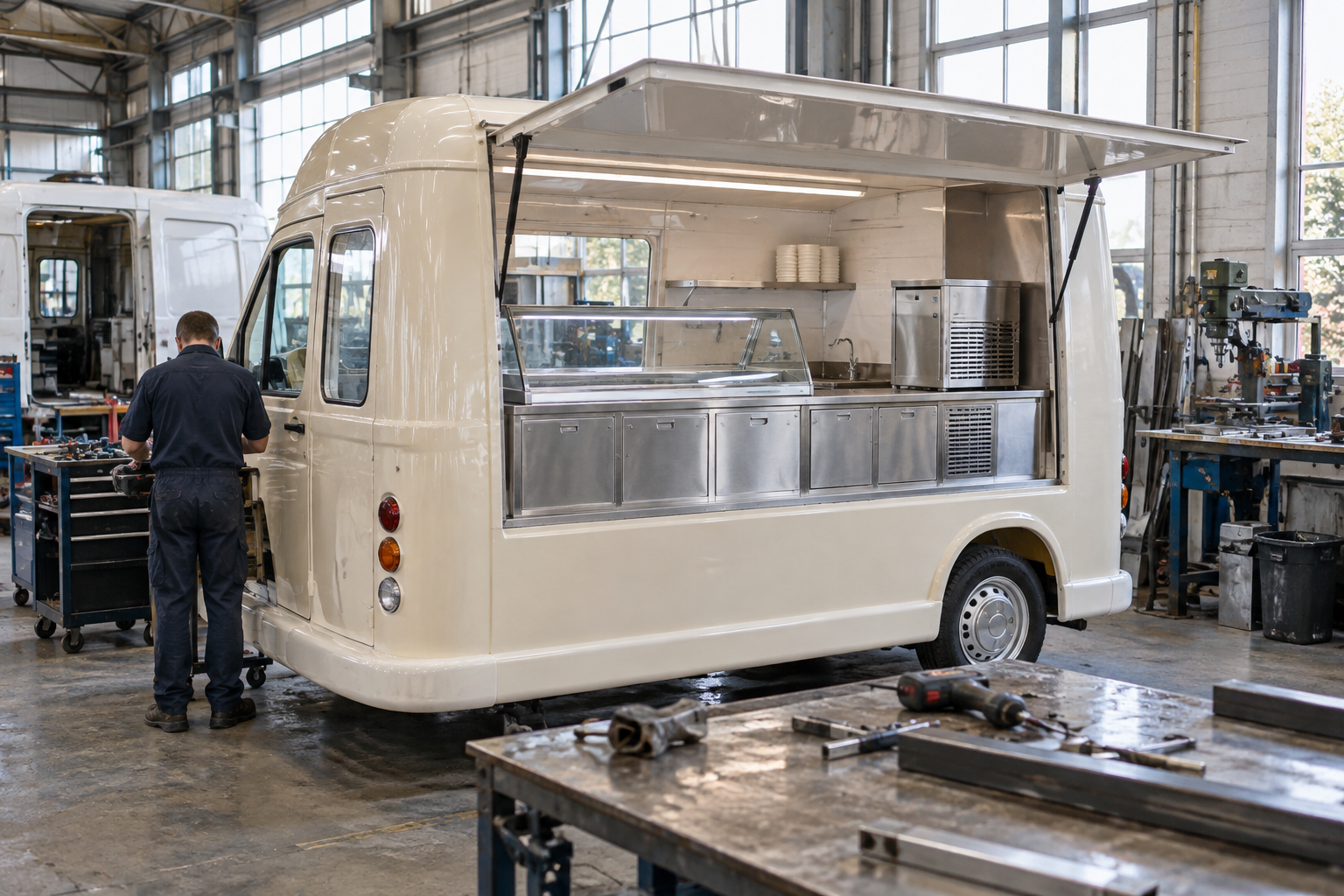
Whitby Morrison launches £200,000 electric ice cream van
The Crewe family manufacturer has secured early orders for its electric conversion, with a claimed 180-mile range and lower overnight charging costs.
Treasury sets out self-employed support as IPSE seeks NI reversal
Mileage, parental pay and carer support changes precede Wednesday’s Budget, but IPSE says contractor demand needs attention.

FSB urges cyber protection as attack costs average £195,000
Small firms face costs beyond restoring IT systems, with backups, staff training and recovery planning central to limiting disruption.
Post Office redress deadlines set as independent reviews announced
Two compensation schemes will close to new claims in 2027, with fresh review routes and an investigation into software used before Horizon.