Business Regulation
FSA and FSS publish cell-cultivated food export roadmap
New guidance brings together export requirements for cell-cultivated animal products, but overseas market access remains subject to destination-country rules.

By Eleanor Whitcombe, Editor ·
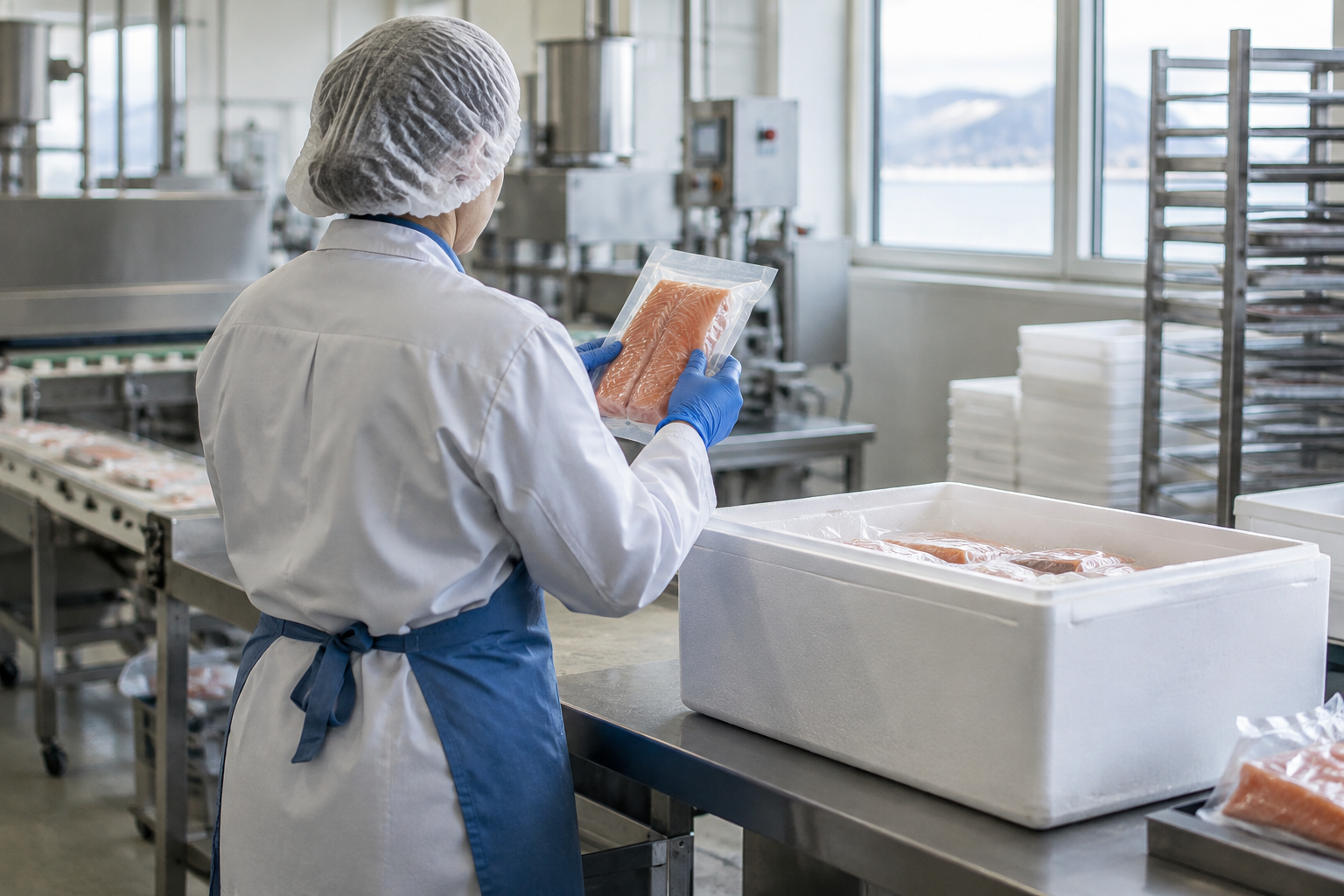
The Food Standards Agency and Food Standards Scotland have published a roadmap for businesses seeking to export cell-cultivated food products of animal origin from Great Britain to countries outside the EU.
The guidance collects requirements handled by several government bodies into one process map, covering preparations at the production site through to certification, customs and transport. Its publication was reported by GOV.UK Business.
What happened
The roadmap starts with two checks: whether a proposed destination can accept the product and what requirements apply to the business’s establishment in Great Britain. Companies will need to consider both when assessing a potential export market.
It also identifies export health certification and customs declarations as parts of the process businesses must examine. The map draws together requirements from HM Revenue and Customs, the Animal and Plant Health Agency, Defra and other government departments rather than presenting export compliance as a matter for food regulators alone.
The scope is specifically non-EU trade. Businesses considering European markets face a separate policy context, including the proposed UK-EU food checks deal.
The background
The guidance was developed through the agencies’ Cell-Cultivated Products Sandbox Programme. That programme helps innovative food businesses understand regulation while retaining the regulators’ consumer-protection responsibilities.
According to the agencies, the export roadmap responds to a priority raised by businesses: understanding how the requirements of different parts of government fit together. New businesses and start-ups are among those the guidance is intended to help.
The publication concerns the regulatory route to overseas sales, rather than funding those sales. Export finance is a separate consideration, with changes planned to UK Export Finance’s automatic support limit.
What people are saying
Dr Thomas Vincent, the FSA’s deputy director of the Sandbox and Innovation, said the agencies had worked across government after companies asked for a clearer explanation of the export process.
He described the international market for cell-cultivated food as growing and said the guidance would help businesses understand the requirements involved in pursuing overseas customers.
The agencies nevertheless make a firm distinction between explaining the process and securing permission to trade. Publication of the roadmap does not give a business access to a particular country, nor does it create a replacement for the existing export route.
What happens next
Companies considering a shipment must establish what the destination country permits. Access depends on that country’s legislation, import conditions and decisions by its competent authorities; the British guidance cannot guarantee their agreement.
Businesses also need to consider the operational requirements identified in the map, including maintaining the cold chain, labelling products and preparing documentation. These sit alongside the establishment, certification and customs checks when planning an export.
Why this matters
For founders and directors developing cell-cultivated food, the roadmap provides a single reference point for requirements spread across government. It helps businesses identify questions about their premises, certification, customs and delivery arrangements before pursuing overseas sales. The central commercial limitation remains unchanged: a destination country decides whether it will accept a product. Export planning therefore still depends on establishing market eligibility, not simply completing the steps described in British guidance.
Frequently asked questions
- What is the FSA and FSS cell-cultivated food export roadmap?
- It is guidance bringing together government requirements for exporting cell-cultivated products of animal origin from Great Britain to non-EU countries.
- Does the roadmap cover cell-cultivated food exports to the EU?
- No. The published guidance covers exports from Great Britain to countries outside the EU.
- What checks do cell-cultivated food exporters need to consider?
- The roadmap covers destination-country eligibility, Great Britain establishment requirements, export health certification, customs declarations, cold chain management, labelling and documentation.
- Does the guidance guarantee access to overseas markets?
- No. Access depends on the destination country’s laws, import conditions and decisions by its competent authorities. The guidance does not replace the existing export route.
- Why did the FSA and FSS produce the export guidance?
- Businesses told the agencies that understanding the cross-government export process was a priority. The guidance brings those requirements together to help companies, including start-ups, understand the steps involved.
- Which programme developed the cell-cultivated food export roadmap?
- The FSA and FSS Cell-Cultivated Products Sandbox Programme developed the roadmap. The programme helps innovative food businesses understand regulatory requirements while maintaining consumer protection.
In this story
Follow-up coverage
Topics: cell-cultivated food export roadmap · FSA cell-cultivated food guidance · FSS export guidance · cell-cultivated food exports · non-EU food export requirements · Cell-Cultivated Products Sandbox Programme · All Business Regulation news →
Original reporting: GOV.UK Business. This article is an independent write-up by British Business Echo.
Latest from the newsdesk
- E-commerce
Meta launches Muse shopping agent with major UK retailers
- Funding & Business Finance
British Business Bank takes £43m Oxford Science Enterprises stake
- Business Mistakes / Lessons Learned
Next business data accessed in supplier cyberattack
- SME / Owner-Managed Business
MoneySuperMarket: nearly 2m small firms skip Black Friday
Related stories

HSE tools help small firms check health and safety duties
Risk assessments, staff training and insurance form part of employers’ duties, with a paperwork exemption for firms employing fewer than five people.
TRA proposes higher duties on Chinese excavator imports
Proposed duties of 40.18% to 80.16% would apply to Chinese excavators, with Caterpillar Group exempt from the increase.
B&M sues Morrisons over staff moves and alleged product copying
The discounter alleges eight staff moves helped Morrisons copy seasonal and homeware products. The supermarket rejects the claim.
South Korea steel plate duties set at 7.04% to 23.07%
The UK has imposed anti-dumping duties on South Korean hot-rolled steel plate, limiting the measure to products up to 2,100mm wide.