Business Regulation
South Korea steel plate duties set at 7.04% to 23.07%
The UK has imposed anti-dumping duties on South Korean hot-rolled steel plate, limiting the measure to products up to 2,100mm wide.

By Eleanor Whitcombe, Editor ·
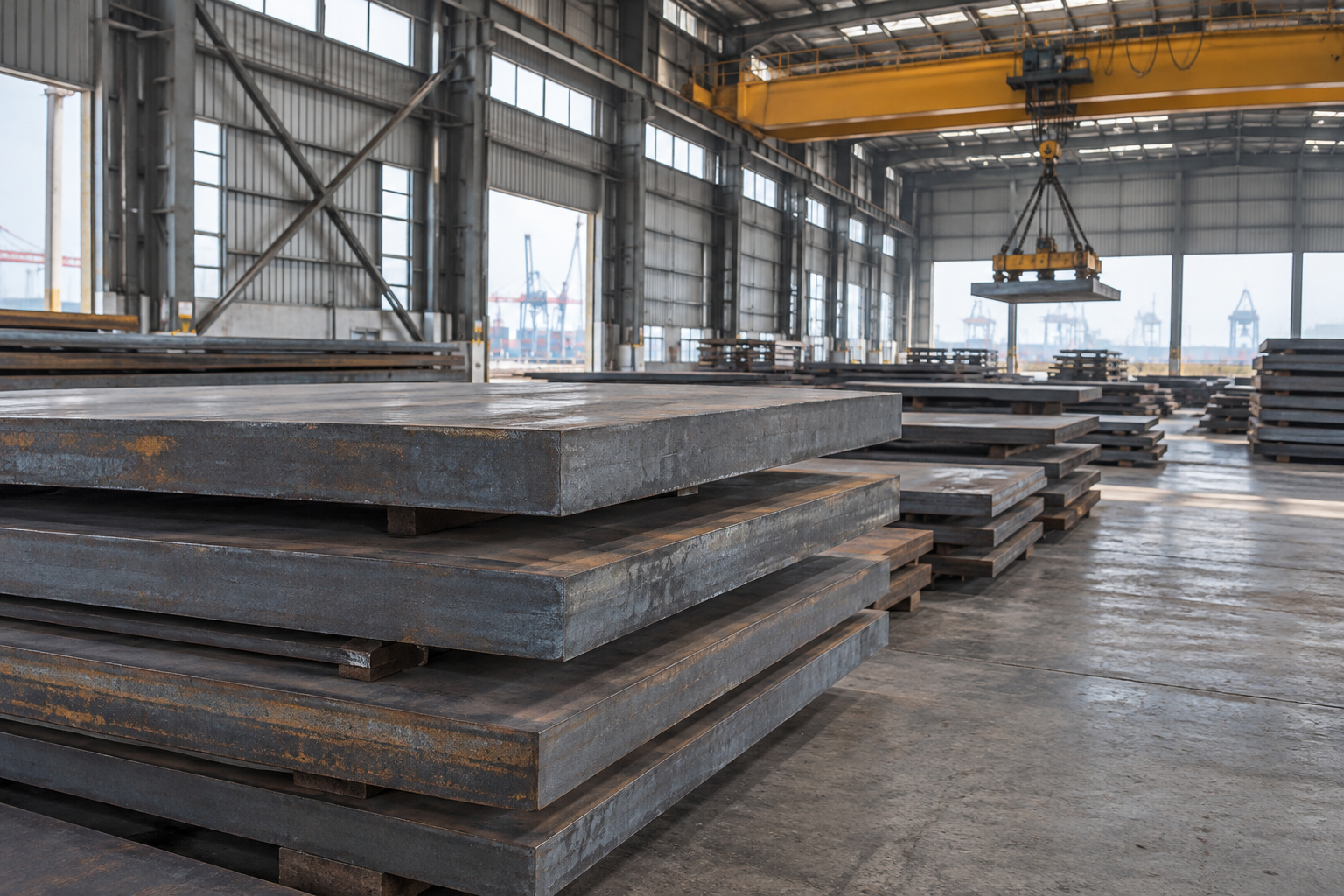
The UK has imposed anti-dumping duties ranging from 7.04% to 23.07% on hot-rolled steel plate imported from South Korea, with the Secretary of State restricting the measure to plate no wider than 2,100mm.
The decision follows a Trade Remedies Authority (TRA) investigation which found that dumped imports had harmed, or were harming, UK producers. The announcement was published by GOV.UK Business.
What happened
The Secretary of State adopted a narrower measure than the TRA had recommended, taking account of economic considerations and the wider public interest. Plate exceeding 2,100mm in width falls outside the new duties.
The distinction reflects the difference between what British producers can manufacture and what they currently produce on a sustained basis. The UK has the facilities and capability to make plate wider than 2,100mm, but there is no sustained domestic production above that threshold.
The TRA’s finding of dumping and injury required it to recommend action covering the entire range of South Korean hot-rolled plate examined in the investigation. Its separate assessment of the UK’s economic interest did not, however, support duties across that full range.
For importers, the final width boundary is therefore central to establishing whether a shipment is covered. The announcement gives a duty range rather than one uniform rate for all affected imports.
The background
The case opened on 6 June 2025. Investigators examined dumping over the period from 1 April 2024 to 31 March 2025, while the assessment of injury to UK industry covered the longer period from 1 April 2021 to 31 March 2025.
Anti-dumping action is permitted under World Trade Organization rules and is one of three categories of trade remedy. It addresses imports sold below their normal value, measured against the price of comparable goods in the exporting country’s domestic market.
The TRA is an independent government body responsible for investigating whether remedies are needed against unfair import practices or unexpected increases in imports. Its remit extends beyond steel, as illustrated by its separate proposal for higher duties on Chinese excavator imports.
Every TRA investigation must include an Economic Interest Test. This compares the likely effects of introducing a remedy with the likely effects of leaving trade without that measure, to establish whether intervention serves the UK’s wider economic interest.
What people are saying
The TRA concluded that the Economic Interest Test supported definitive duties on hot-rolled plate below 2,500mm in width. It did not find that the test was satisfied for duties covering every product within the investigation’s scope.
The Secretary of State chose a still narrower boundary of 2,100mm. That decision places the limit at the point above which sustained UK production is absent, rather than at the wider threshold supported by the authority’s economic assessment.
The two decisions address different questions: the TRA established dumping and injury, while the final scope also took account of economic and public-interest considerations. A finding against imports across the investigation’s scope did not result in duties covering that entire scope.
What happens next
The Secretary of State’s decision is set out further in a Written Ministerial Statement. The TRA’s conclusions on the Economic Interest Test appear in its Statement of Essential Facts, providing the underlying assessment alongside the ministerial decision.
The announcement does not specify an implementation date, the duration of the measure or how individual rates within the 7.04%–23.07% range are allocated. Those details are not established by the notice alone.
Timeline
1 April 2021
The period examined for injury to UK steel plate producers begins.
1 April 2024
The period examined for dumping of South Korean hot-rolled steel plate begins.
31 March 2025
Both the dumping investigation period and the injury assessment period end.
6 June 2025
The TRA opens the anti-dumping case.
Why this matters
For UK steel importers and businesses buying South Korean plate, product width determines whether the new duties apply. Covered imports face rates of 7.04% to 23.07%, making the measure relevant to purchasing costs and supply decisions. Domestic producers gain protection against imports found to be dumped and harmful, while wider plate remains outside the measure because sustained UK production is absent above 2,100mm. The decision distinguishes manufacturing capability from the supply currently available.
Frequently asked questions
- What are the UK duties on South Korean steel plate?
- The UK has imposed anti-dumping duties ranging from 7.04% to 23.07% on hot-rolled steel plate from South Korea measuring up to 2,100mm wide.
- Why has the UK imposed duties on South Korean steel?
- The Trade Remedies Authority found that hot-rolled steel plate from South Korea had been, or was being, dumped in the UK and that this had harmed, or was harming, domestic producers.
- Does the measure cover steel plate wider than 2,100mm?
- No. The Secretary of State limited the duties to plate up to 2,100mm wide. The UK can manufacture wider plate, but there is no sustained domestic production above that width.
- What did the TRA’s Economic Interest Test find?
- The test supported definitive duties on hot-rolled plate below 2,500mm wide, but not across the full scope investigated. The Secretary of State subsequently adopted a narrower limit of 2,100mm.
- When did the South Korean steel plate investigation start?
- The case began on 6 June 2025. It examined dumping between 1 April 2024 and 31 March 2025, with an injury assessment covering 1 April 2021 to 31 March 2025.
- What does anti-dumping mean?
- Anti-dumping measures address imports sold below their normal value, based on the price of comparable goods in the exporter’s home market. They are one of three types of trade remedy allowed under World Trade Organization rules.
- Where are the reasons for the steel plate duties set out?
- Further details of the Secretary of State’s decision appear in a Written Ministerial Statement. The TRA’s Economic Interest Test conclusions are contained in its Statement of Essential Facts.
In this story
Topics: South Korea steel plate duties · UK anti-dumping steel duties · hot-rolled steel plate imports · South Korean steel tariffs · TRA steel investigation · steel plate 2100mm duty · All Business Regulation news →
Original reporting: GOV.UK Business. This article is an independent write-up by British Business Echo.
Latest from the newsdesk
- E-commerce
Meta launches Muse shopping agent with major UK retailers
- Funding & Business Finance
British Business Bank takes £43m Oxford Science Enterprises stake
- Business Mistakes / Lessons Learned
Next business data accessed in supplier cyberattack
- Business Growth
UK pork producers secure Vietnam access and Philippines deal
- SME / Owner-Managed Business
MoneySuperMarket: nearly 2m small firms skip Black Friday
Related stories

HSE tools help small firms check health and safety duties
Risk assessments, staff training and insurance form part of employers’ duties, with a paperwork exemption for firms employing fewer than five people.
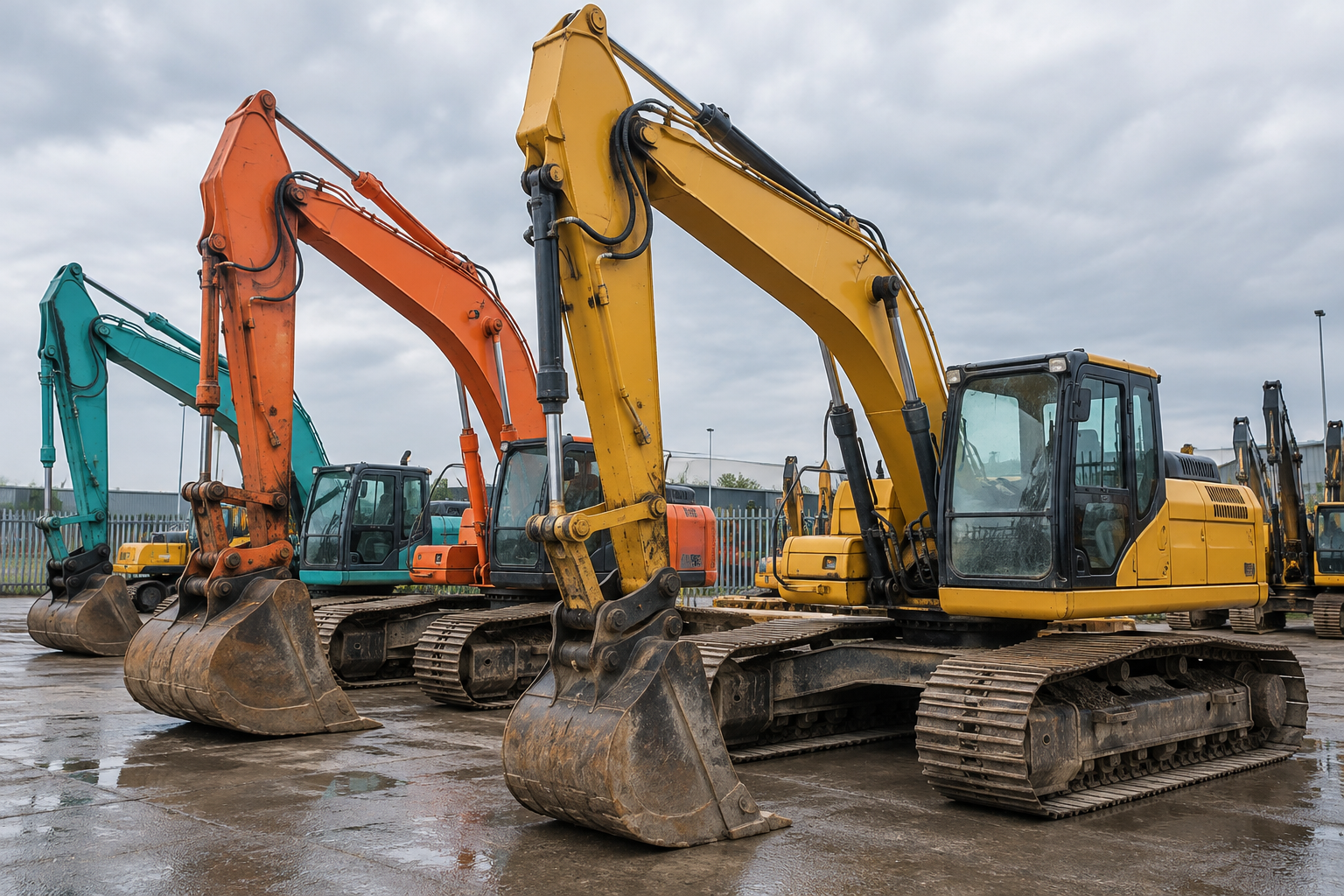
TRA proposes higher duties on Chinese excavator imports
Proposed duties of 40.18% to 80.16% would apply to Chinese excavators, with Caterpillar Group exempt from the increase.
B&M sues Morrisons over staff moves and alleged product copying
The discounter alleges eight staff moves helped Morrisons copy seasonal and homeware products. The supermarket rejects the claim.

Viagogo faces CMA warning over hidden ticket fees
The watchdog suspects Viagogo misled UK ticket buyers through late-added charges, in the first notice of its kind under new enforcement powers.