Company Cars & Benefits
Volkswagen caps charging at 80% for 5,000 UK cars over fire risk
Selected Volkswagen and Cupra electric cars face battery checks after an over-the-air update restricted charging over overheating concerns.

By Marcus Bell, Lifestyle & Motoring Editor ·
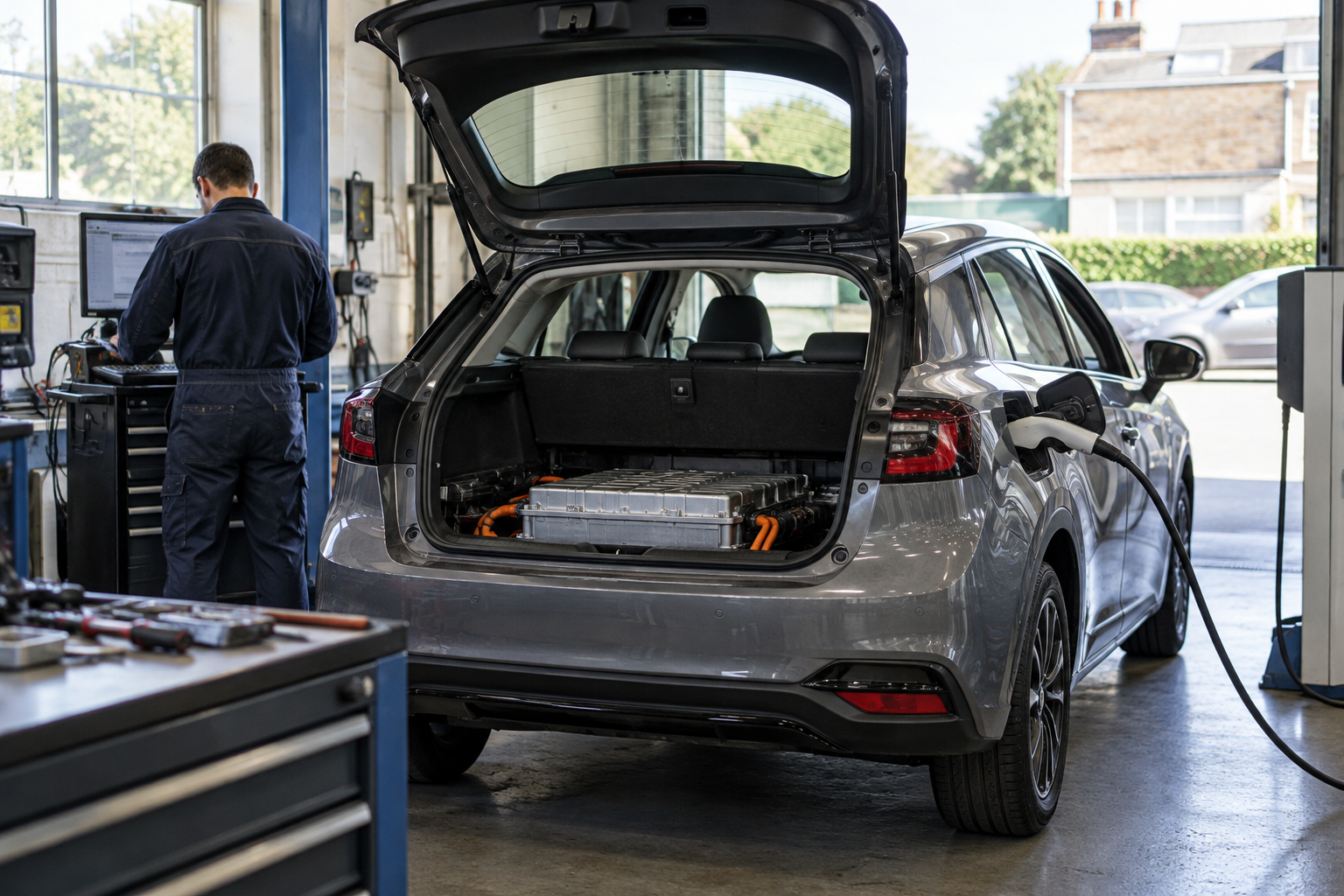
Volkswagen Group has restricted charging to 80% on around 5,000 electric cars in the UK because some battery components could overheat and cause a fire. The group is preparing a recall, but has not set out a timetable for completing the checks.
The restriction has been introduced remotely through an over-the-air update. Drivers cannot access their vehicles’ full range while the safety issue remains unresolved.
What happened
The action covers selected Volkswagen ID 3, ID 4, ID 7 and ID Buzz vehicles, alongside the Cupra Born, built between 2022 and 2025. It does not apply to every example of those models.
Around 85,000 vehicles are affected worldwide, including the roughly 5,000 in the UK, as reported by Autocar. Recall notices in other markets also cover Audi Q4 E-tron vehicles manufactured during the same period, but that model does not appear in the UK notice.
For the ID 3, the unavailable fifth of battery capacity equates to around 40 to 70 miles of range when calculated against official WLTP figures. That is a comparison with the published test figures, rather than a stated loss for every affected vehicle or driving condition.
The background
The affected batteries come from a supplier Volkswagen has not identified. The concern centres on components that may fall below the group’s quality requirements and could overheat when the battery is charged beyond 80%.
The restriction changes the usable range available to drivers without changing the vehicle’s published specification. For businesses comparing new electric company cars, the distinction between the official range and the capacity currently available is material to journey planning.
The charge limit is an interim measure ahead of battery checks, not a replacement for them. Volkswagen says every affected UK car needs checking because a technical problem with the battery may not be apparent to its user.
What people are saying
Volkswagen warned that a battery fire could cause severe or fatal injuries to occupants and people nearby, as well as substantial property damage. It said there had been no confirmed injuries, although some property damage had been reported.
The company said it had approached retail customers where possible, informed fleet companies and published notices on the relevant brands’ websites. This means the issue reaches company-car providers as well as private owners, alongside the separate tax changes facing fleet operators.
What happens next
Owners will receive further contact explaining how their vehicle will be assessed. Some will need a workshop appointment for a physical safety inspection lasting about one hour, with battery modules replaced if necessary. That inspection duration is not a stated turnaround time for any replacement work.
Other vehicles can be assessed and updated remotely. Volkswagen said owners would receive a date and instructions, but has not specified when the overall programme will finish.
Until their cars are cleared, affected drivers have less capacity available between charging stops. For businesses whose journeys require public charging, that makes access and public EV charging costs relevant operational considerations, separate from arranging the safety check.
Why this matters
Businesses running affected company cars face reduced range while Volkswagen arranges safety checks, with no completion timetable available. The ID 3 estimate of 40 to 70 unavailable miles illustrates the potential effect on longer work journeys. Fleet companies have been notified, but some vehicles will also need workshop appointments and possibly replacement battery modules. Directors and fleet managers therefore face both an immediate journey-planning constraint and an unresolved maintenance requirement.
Frequently asked questions
- Which Volkswagen electric cars have the 80% charging limit?
- Selected Volkswagen ID 3, ID 4, ID 7 and ID Buzz vehicles built between 2022 and 2025 are affected, along with some Cupra Born models. The action covers around 5,000 UK cars, not every vehicle in those ranges.
- Why has Volkswagen limited charging to 80%?
- Volkswagen says components in some batteries may not meet its quality requirements and could overheat above 80% charge, creating a fire risk. An over-the-air update has imposed the restriction ahead of safety checks.
- How much range does the Volkswagen charging cap remove?
- For the Volkswagen ID 3, the 20% reduction equates to around 40 to 70 miles against official WLTP range figures. The source does not provide equivalent estimates for the other affected models.
- Will affected Volkswagen cars need a workshop visit?
- Some affected cars need a physical safety inspection lasting around one hour, with battery modules replaced where necessary. Others can be checked and updated remotely. Volkswagen will provide owners with instructions.
- When will Volkswagen remove the charging restriction?
- Volkswagen has not given a timetable for completing the checks. Owners will be contacted with dates and instructions, and cannot use their vehicles’ full range in the meantime.
- Is the Audi Q4 E-tron included in the UK battery recall?
- The Audi Q4 E-tron appears in recall notices in other markets for vehicles built during the same period. It is not listed in the UK notice described in the report.
- Have injuries been reported from the Volkswagen battery issue?
- Volkswagen says there have been no confirmed injuries, although some property damage has been reported. The company warns that a battery fire could seriously injure occupants or people outside the vehicle.
In this story
Follow-up coverage
Topics: Volkswagen recall · Volkswagen 80% charging limit · Volkswagen battery fire risk · VW ID 3 battery recall · Cupra Born battery recall · Volkswagen electric car recall UK · All Company Cars & Benefits news →
Original reporting: Autocar. This article is an independent write-up by British Business Echo.
Latest from the newsdesk
- E-commerce
Meta launches Muse shopping agent with major UK retailers
- Funding & Business Finance
British Business Bank takes £43m Oxford Science Enterprises stake
- Business Mistakes / Lessons Learned
Next business data accessed in supplier cyberattack
- Business Growth
UK pork producers secure Vietnam access and Philippines deal
- Business Regulation
HSE tools help small firms check health and safety duties
Related stories
Range Rover Electric offers £19,000 company car tax saving
The £154,070 electric SUV carries a higher purchase price than the V8, but lower benefit-in-kind rates cut bills for drivers and employers.
Cubic3 survey exposes gaps in EV charging expense checks
Almost half of surveyed fleets rely on drivers to report home charging costs, while 48% have received expense claims they could not verify.
Safer Charging warns of unchecked private EV chargers
The maintenance firm says ageing home and workplace chargers risk going unchecked, while ministers rule out extending public-network regulations.
UK government weighs cut to 2030 electric vehicle sales target
The government is considering lowering the 2030 electric car sales requirement from 80% to 60%, but Downing Street says no decision has been made.