Company Cars & Benefits
Safer Charging warns of unchecked private EV chargers
The maintenance firm says ageing home and workplace chargers risk going unchecked, while ministers rule out extending public-network regulations.

By Marcus Bell, Lifestyle & Motoring Editor ·
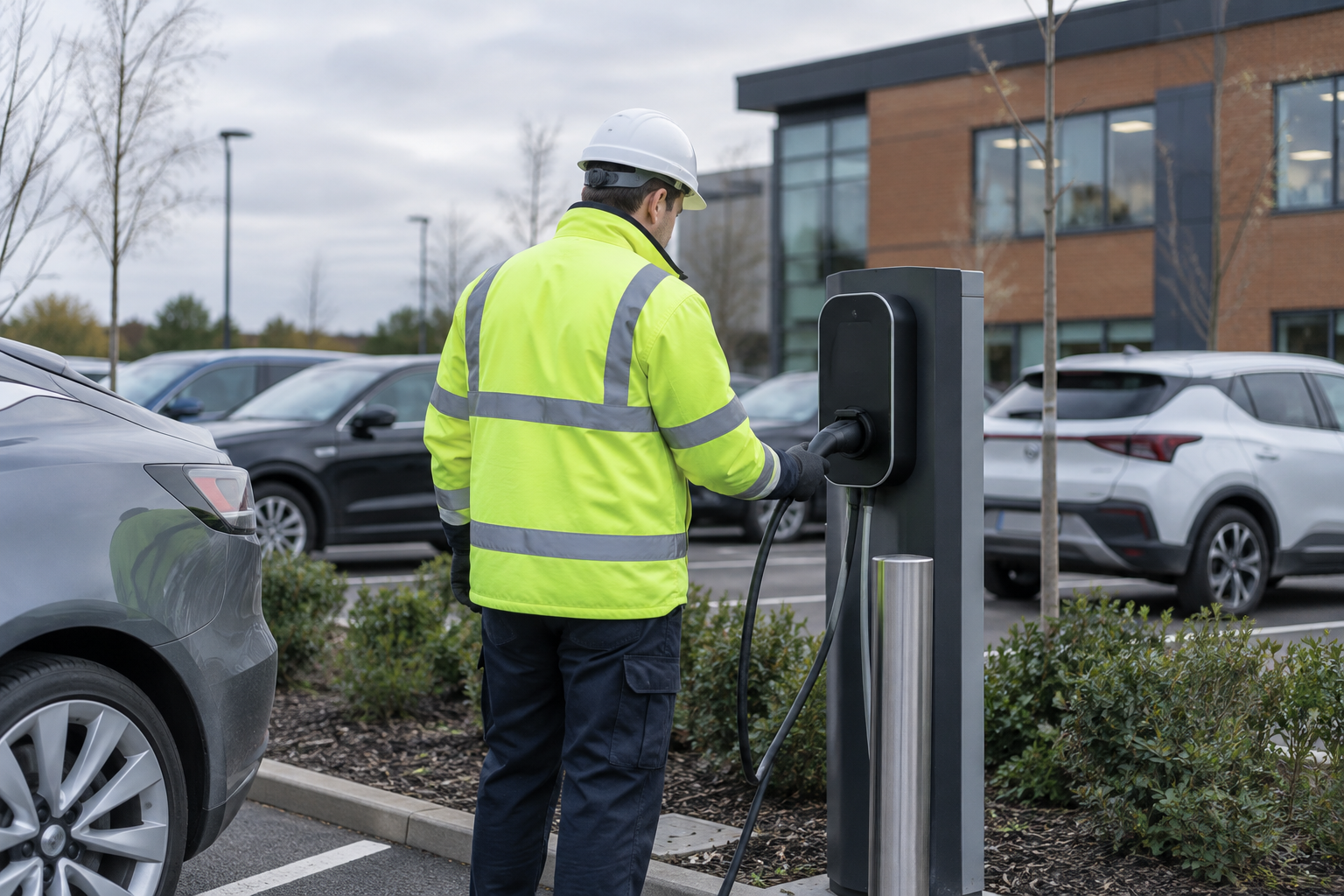
Safer Charging has warned that potentially hundreds of thousands of private electric vehicle chargers in the UK are ageing without inspection or maintenance, leaving homes and workplaces exposed to equipment failure and possible safety risks.
The maintenance company’s founder, Chris Cheetham, says some chargers have not been checked since installation. The Department for Transport is not currently considering bringing private equipment within the regulations governing public charging networks, as reported by Autocar.
What happened
Safer Charging identifies a gap between the obligations placed on public charging operators and those applying to private owners. It points to the Public Charge Point Regulations, which set a 99% availability requirement for public charging, and says private chargers have no equivalent requirement to remain operational.
The regulations specifically exclude residential and workplace charge points that are never available to the general public. That means a charger’s accessibility, rather than simply its location at a business premises, determines whether that exclusion applies.
Cheetham argues that owners can consequently have little incentive to repair failed private equipment. His concern extends beyond individual breakdowns: unreliable charging could damage drivers’ confidence in the wider network and slow the move to electric vehicles.
The warning concerns equipment already installed, rather than the connection delays addressed by fleet charging options designed to bypass grid constraints. For employers providing charging, getting equipment into service and keeping it operational are separate responsibilities.
The background
Cheetham identifies the Electricity at Work Regulations as the legislation applying to workplace equipment. These require electrical systems to be safe, with their condition assessed through an Electrical Installation Condition Report, known as an EICR.
For offices and public buildings, the recommended assessment interval is five years. A business without an EICR could face an insurance problem, although that is a separate issue from whether its chargers fall within the public-network rules.
Supplier failure creates another potential gap in support. Andersen EV entered administration in 2022, and its new owner did not assume the previous business’s liabilities.
Under Andersen’s warranty terms, chargers bought before 24 October 2022 no longer receive contractual warranty support. The example illustrates why the continuing availability of repairs and aftersales assistance cannot necessarily be assumed from the original purchase agreement.
The Office for Product Safety and Standards enforces the public charging regulations. Its role also covers other electrical-product issues, including clarification of safety rules for e-bike conversion kits, but private chargers excluded from the public charging rules remain outside that particular regime.
What people are saying
Cheetham considers a five-year inspection gap too long for chargers, citing the electrical current passing through them and the possibility of damaged cables being connected. He also raises deliberate damage to equipment as a risk that could arise between assessments.
He questions whether general electrical inspections provide sufficient specialist attention to charging equipment. Between inspections, responsibility may sit with a facilities manager or managing agent who lacks the technical knowledge or time to deal with it, he says.
A spokesperson for an unnamed major charger manufacturer urges buyers to investigate the long-term viability of suppliers and installers. The company’s position is that businesses should carry out due diligence before committing to charge-point investment.
What happens next
The Department for Transport says the public charging regulations were designed to protect drivers using public networks, with no extension to private chargers currently under consideration. That position concerns charging oversight, separately from the government’s consideration of changes to the 2030 electric vehicle sales target.
Cheetham says his purpose is to reassure owners that alternative support is available if an installer or supplier fails or stops servicing its equipment. Safer Charging offers inspections, back-up assistance and round-the-clock monitoring, giving the company a commercial interest in the maintenance concerns it raises.
Why this matters
For employers investing in workplace charging, installation is not the end of the commitment. Private equipment can sit outside public-network availability rules while still carrying workplace electrical safety responsibilities. The Andersen example also shows that warranty support may disappear after supplier failure. Directors and facilities managers therefore face practical questions about inspection arrangements, insurance and access to repairs, particularly where the original installer no longer supports the equipment.
Frequently asked questions
- Do private EV chargers have to meet public charging regulations?
- Residential and workplace chargers that are never accessible to the general public are excluded from the Public Charge Point Regulations. Safer Charging says they therefore have no equivalent requirement to remain operational.
- How often should workplace EV chargers be inspected?
- The source identifies a recommended five-year interval for Electrical Installation Condition Report assessments at offices and public buildings. Safer Charging founder Chris Cheetham argues that this interval is too long for charging equipment.
- What safety risks can affect private EV chargers?
- Safer Charging highlights ageing equipment, damaged charging cables and deliberate damage between inspections. These are risks identified by the maintenance company, rather than evidence that every uninspected charger is unsafe.
- What happens to an EV charger warranty if the supplier fails?
- Supplier failure can end warranty and aftersales support. Following Andersen EV’s administration in 2022, its new owner did not assume previous liabilities, and chargers purchased before 24 October 2022 lost contractual warranty support.
- Can missing electrical inspections affect business insurance?
- A business without an Electrical Installation Condition Report could find itself uninsured. The report assesses electrical installations; it is distinct from the availability requirements applying to public charging networks.
- Will the government extend public charging rules to private chargers?
- The Department for Transport says it is not currently considering an extension. It says the Public Charge Point Regulations are intended to protect drivers using public networks.
In this story
Follow-up coverage
Topics: private EV chargers · workplace EV charger inspections · EV charger maintenance · Safer Charging · Public Charge Point Regulations · Andersen EV warranty · EV charger safety · All Company Cars & Benefits news →
Original reporting: Autocar. This article is an independent write-up by British Business Echo.
Latest from the newsdesk
- E-commerce
Meta launches Muse shopping agent with major UK retailers
- Funding & Business Finance
British Business Bank takes £43m Oxford Science Enterprises stake
- Business Mistakes / Lessons Learned
Next business data accessed in supplier cyberattack
- Business Growth
UK pork producers secure Vietnam access and Philippines deal
- Business Regulation
HSE tools help small firms check health and safety duties
Related stories
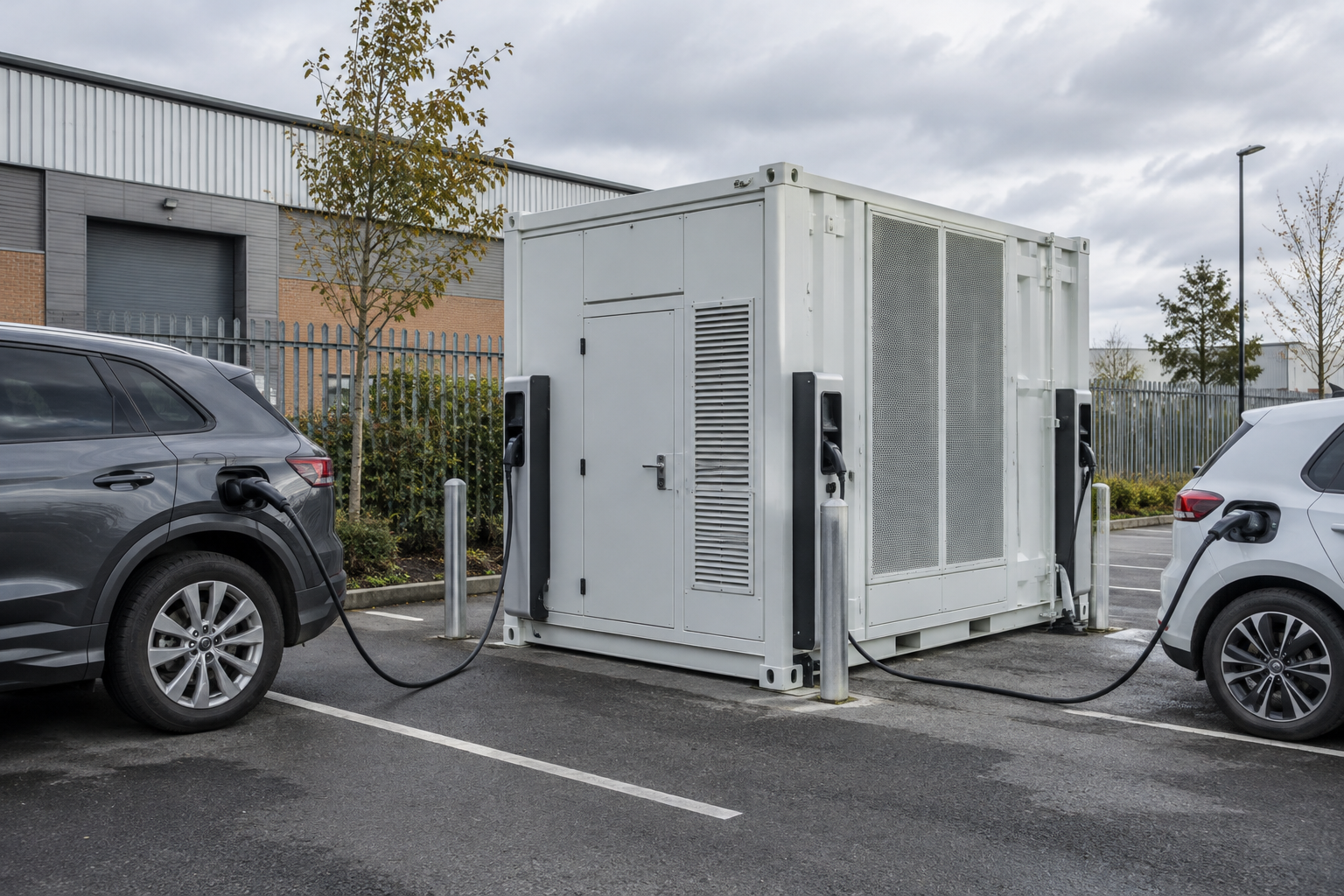
Ayvens and Fellten offer fleet chargers to bypass grid delays
The partners will use battery-backed charging units to help workplaces with limited power supply and cut reliance on costly public networks.
UK government weighs cut to 2030 electric vehicle sales target
The government is considering lowering the 2030 electric car sales requirement from 80% to 60%, but Downing Street says no decision has been made.
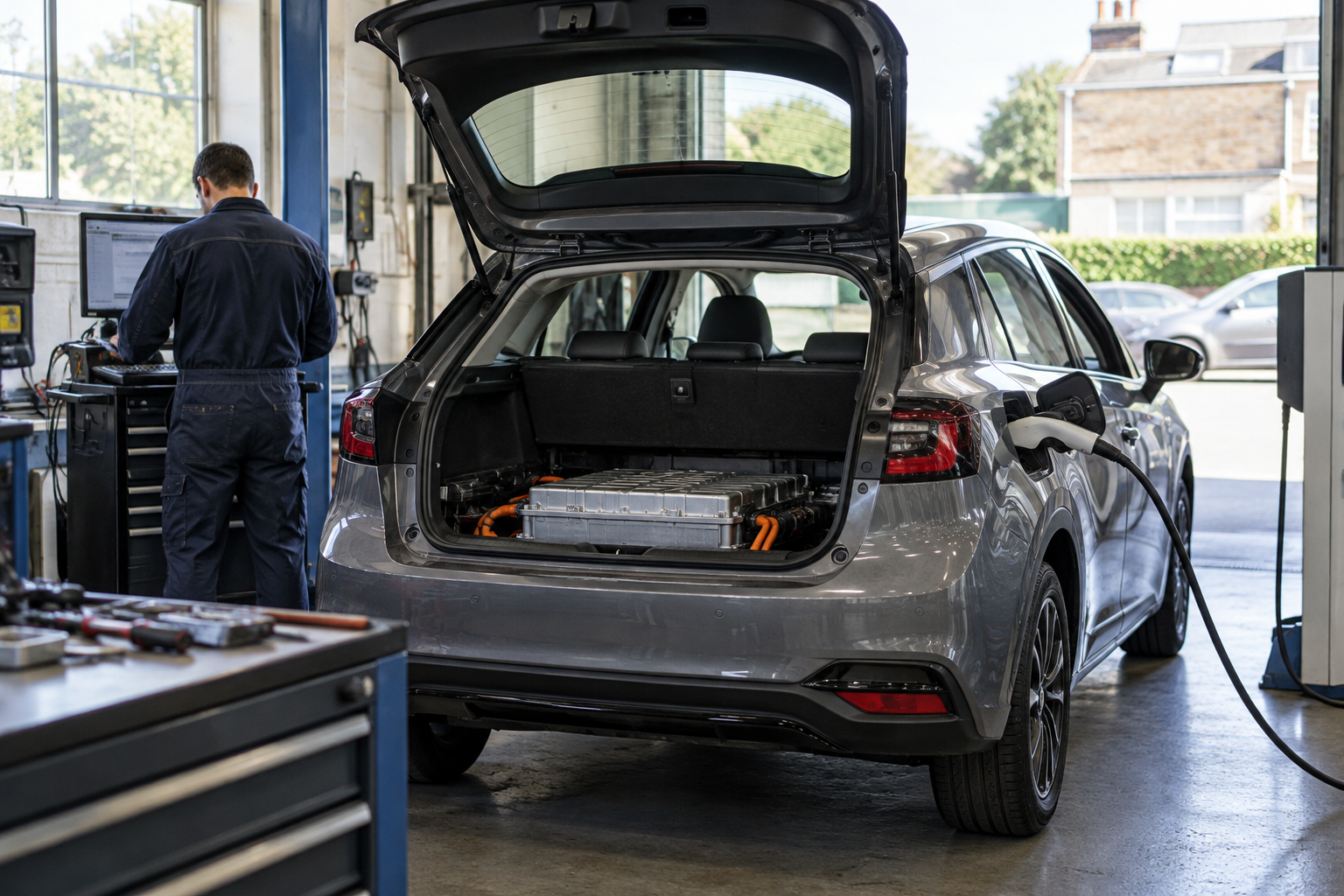
Volkswagen caps charging at 80% for 5,000 UK cars over fire risk
Selected Volkswagen and Cupra electric cars face battery checks after an over-the-air update restricted charging over overheating concerns.

Geely targets 46,000 UK sales as fleet team doubles
The Coventry-based operation plans three more models and a larger fleet team as it seeks to more than double UK sales in 2027.