Company Cars & Benefits
UK government weighs cut to 2030 electric vehicle sales target
The government is considering lowering the 2030 electric car sales requirement from 80% to 60%, but Downing Street says no decision has been made.

By Marcus Bell, Lifestyle & Motoring Editor ·
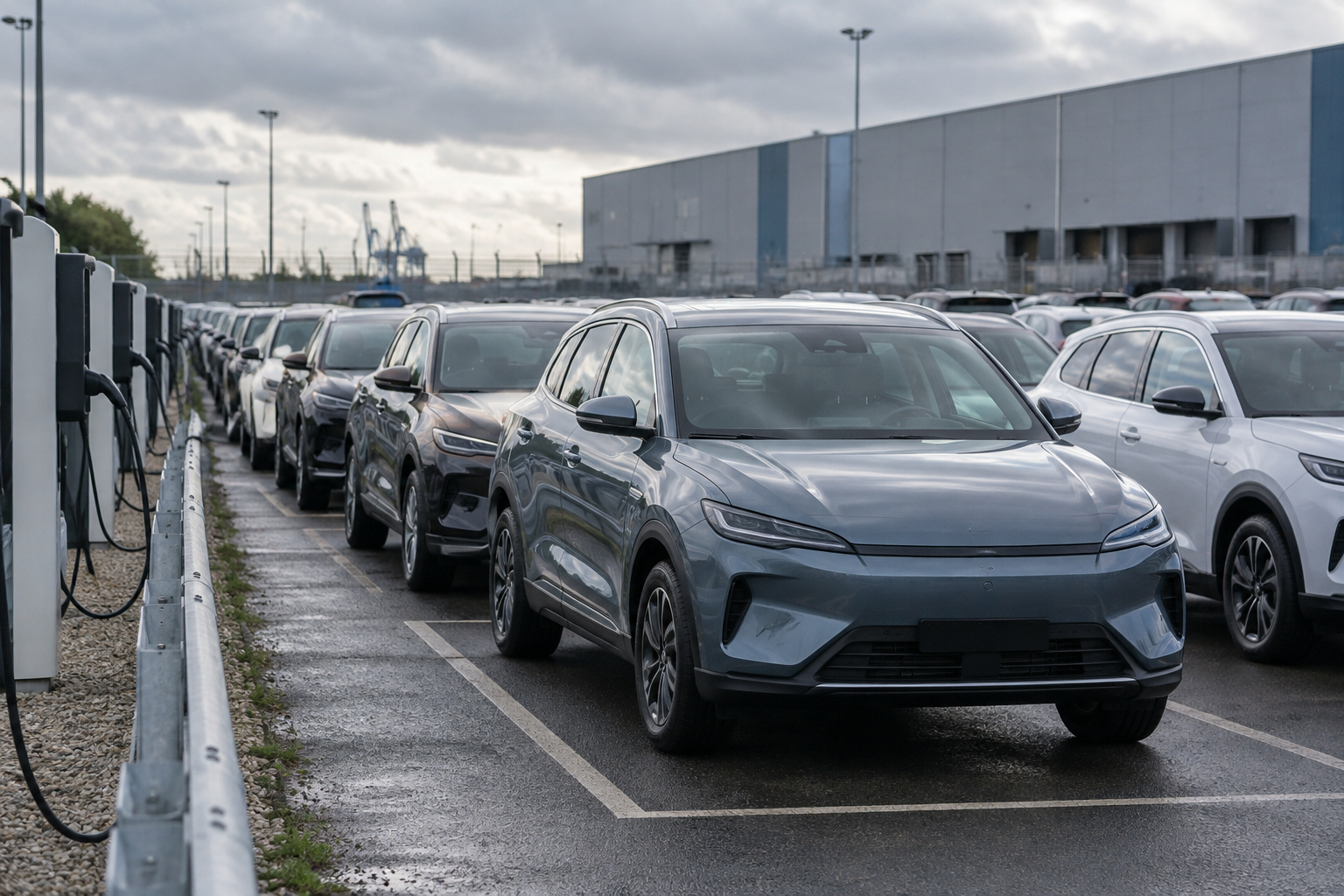
The UK government is expected to announce changes to electric vehicle sales targets this week, with a reduction in the 2030 requirement from 80% to 60% among the proposals under consideration.
Downing Street says no decision has been made. The review follows warnings from car manufacturers that demand is falling behind compulsory sales targets, despite substantial growth in electric car registrations.
What happened
The proposed changes, reported by Autocar, could also preserve manufacturers’ access to compliance flexibilities until 2034. Those mechanisms allow companies to manage a shortfall against the headline electric vehicle sales requirement rather than meeting it entirely through electric car registrations.
Under the existing zero-emission vehicle mandate, manufacturers face progressively higher annual targets. The framework requires electric cars to account for 80% of sales by 2030, ahead of a ban on sales of new combustion-engined cars in 2035.
Moving the 2030 requirement to 60% would reduce it by 20 percentage points. That is one of several options considered during consultation with manufacturers, rather than a confirmed replacement for the current rules.
Other approaches examined include leaving the targets unchanged while extending the flexibility available to manufacturers. A deeper reduction, taking the 2030 requirement to 50%, has also been considered.
The distinction matters because changing the headline target and changing the compliance mechanisms are different ways of easing manufacturers’ obligations. Under the existing arrangements, increased hybrid sales can help mitigate a shortfall, while companies can also defer targets.
Manufacturers have been subsidising electric cars heavily to attract buyers and increase their electric sales share. Companies that fail to comply with the rules can face significant penalties, adding a further cost to missing the required mix.
The background
The review comes despite a substantial increase in electric car sales. Figures cited in the report show more than 500,000 were sold between January and November, an increase of 30% against the comparable period a year earlier.
Electric cars also accounted for around a third of sales in the latest month cited. Rising petrol and diesel costs, alongside a wider choice of affordable electric models, have contributed to that growth.
However, the Society of Motor Manufacturers and Traders forecasts an electric share of 27.2% for 2026, below the mandated 33%. That leaves a gap of 5.8 percentage points between its market expectation and the headline requirement.
The trade body expects electric cars to reach 32% of sales in 2027, when the target rises to 38%. Its forecast therefore points to another shortfall even as electric vehicles take a larger share of the market.
For 2028, the SMMT expects the gap to widen to 14.5 percentage points against a 52% target. The industry's concern is not that electric sales are standing still, but that the required rate of growth is faster than its forecast for demand.
Those headline gaps do not translate directly into penalties for every manufacturer. The mandate’s flexibility provisions mean the final compliance position also depends on how individual companies use the available mechanisms.
For company car operators, the supply-side review sits alongside a separate debate over running costs and taxation. Fleet criticism of company car tax rises concerns the cost of choosing and operating vehicles, rather than the sales mix manufacturers must achieve.
What people are saying
SMMT chief executive Mike Hawes has called for an urgent outcome from the review. He argues that the growth in electric registrations is being supported at a financial cost that neither the industry nor government can sustain indefinitely.
Hawes says billions are being spent to help motorists switch. His warning is that the gap between demand and the mandated targets is set to more than double by 2028, when a new electric vehicle-only tax is also due to be introduced.
He argues that raising compulsory sales targets can influence the vehicles manufacturers supply without creating equivalent demand from buyers. The SMMT wants substantive reform to take effect immediately, linking the issue to both market health and the UK's ability to attract investment.
Reports of the government discussions describe differing departmental positions. Jonathan Reynolds is said to favour the largest reduction, Heidi Alexander a 60% requirement, and Ed Miliband retention of the existing 80% target.
The environmental implications are also significant. If retained and achieved, the existing mandate was expected to account for 14% of the government's targeted carbon dioxide reductions between 2028 and 2032.
A government source has indicated that the review will seek to balance competing considerations. That leaves manufacturers awaiting a formal decision rather than a settled set of revised obligations.
What happens next
A meeting reported for Wednesday is expected to address differences between the transport, energy and business departments before the plan is finalised. An announcement is anticipated in the following days, although the timetable remains reported rather than confirmed.
The final package will need to establish whether annual targets change, whether compliance flexibilities are extended, or whether both approaches are adopted. A decision on the 2030 figure alone would not explain how manufacturers should meet their obligations in the intervening years.
For fleet buyers, the manufacturer rules remain distinct from measures supporting charging infrastructure, including the pledge of £100m for EV charging. The reported review concerns sales requirements and compliance, not a replacement charging programme.
The outcome will also form part of the market conditions facing companies expanding their UK operations, including Geely's target of 46,000 UK sales. No manufacturer-specific changes have been set out in the reported proposals.
Timeline
2026
The electric car sales requirement is 33%, against an SMMT forecast of 27.2%.
2027
The target rises to 38%, while the SMMT forecasts a 32% electric sales share.
2028
The requirement reaches 52%; the SMMT expects a shortfall of 14.5 percentage points.
2030
The existing 80% requirement could be reduced to 60% under proposals being considered.
2034
Manufacturers could retain access to compliance flexibilities until this year under the reported proposals.
2035
The existing framework provides for a ban on sales of new combustion-engined cars.
Why this matters
For UK fleet directors and automotive businesses, the review could change the pressure on manufacturers to sell electric cars and fund discounts. The SMMT expects sales growth to continue but remain below mandated levels, making the treatment of shortfalls commercially important. Businesses planning vehicle purchases should distinguish reported proposals from confirmed rules: Downing Street has not announced a decision, and the final balance between lower targets and extended compliance flexibilities remains unsettled.
Frequently asked questions
- Is the UK cutting electric vehicle sales targets?
- The government is considering changes, including reducing the 2030 requirement from 80% to 60%. Downing Street says no decision has been made.
- What is the UK ZEV mandate?
- The zero-emission vehicle mandate sets increasing annual electric vehicle sales requirements for manufacturers. The existing framework requires an 80% electric car sales share by 2030.
- Why do car manufacturers want EV targets changed?
- Manufacturers say demand is growing more slowly than the targets require. They have been heavily subsidising electric cars to encourage purchases and can face penalties for failing to comply.
- What is the electric car sales target for 2026?
- The mandated electric car sales share for 2026 is 33%. The Society of Motor Manufacturers and Traders forecasts that electric cars will account for 27.2% of sales.
- How can manufacturers meet the ZEV mandate?
- Manufacturers can sell more electric cars and use compliance flexibilities. Under the existing framework, increased hybrid sales can help mitigate shortfalls, and manufacturers can defer targets.
- Are UK electric car sales increasing?
- Yes. Figures cited in the report show more than 500,000 electric cars were sold between January and November, a 30% increase year on year.
- Does the proposed change alter the 2035 combustion car ban?
- The reported proposals concern electric sales targets and compliance flexibilities. They do not set out a change to the existing 2035 ban on sales of new combustion-engined cars.
In this story
Follow-up coverage
Topics: UK electric vehicle sales targets · ZEV mandate changes · 2030 EV sales target · UK electric car sales · SMMT EV forecast · ZEV mandate flexibilities · company car electric vehicles · All Company Cars & Benefits news →
Original reporting: Autocar. This article is an independent write-up by British Business Echo.
Latest from the newsdesk
- E-commerce
Meta launches Muse shopping agent with major UK retailers
- Funding & Business Finance
British Business Bank takes £43m Oxford Science Enterprises stake
- Business Mistakes / Lessons Learned
Next business data accessed in supplier cyberattack
- Business Growth
UK pork producers secure Vietnam access and Philippines deal
- Business Regulation
HSE tools help small firms check health and safety duties
Related stories
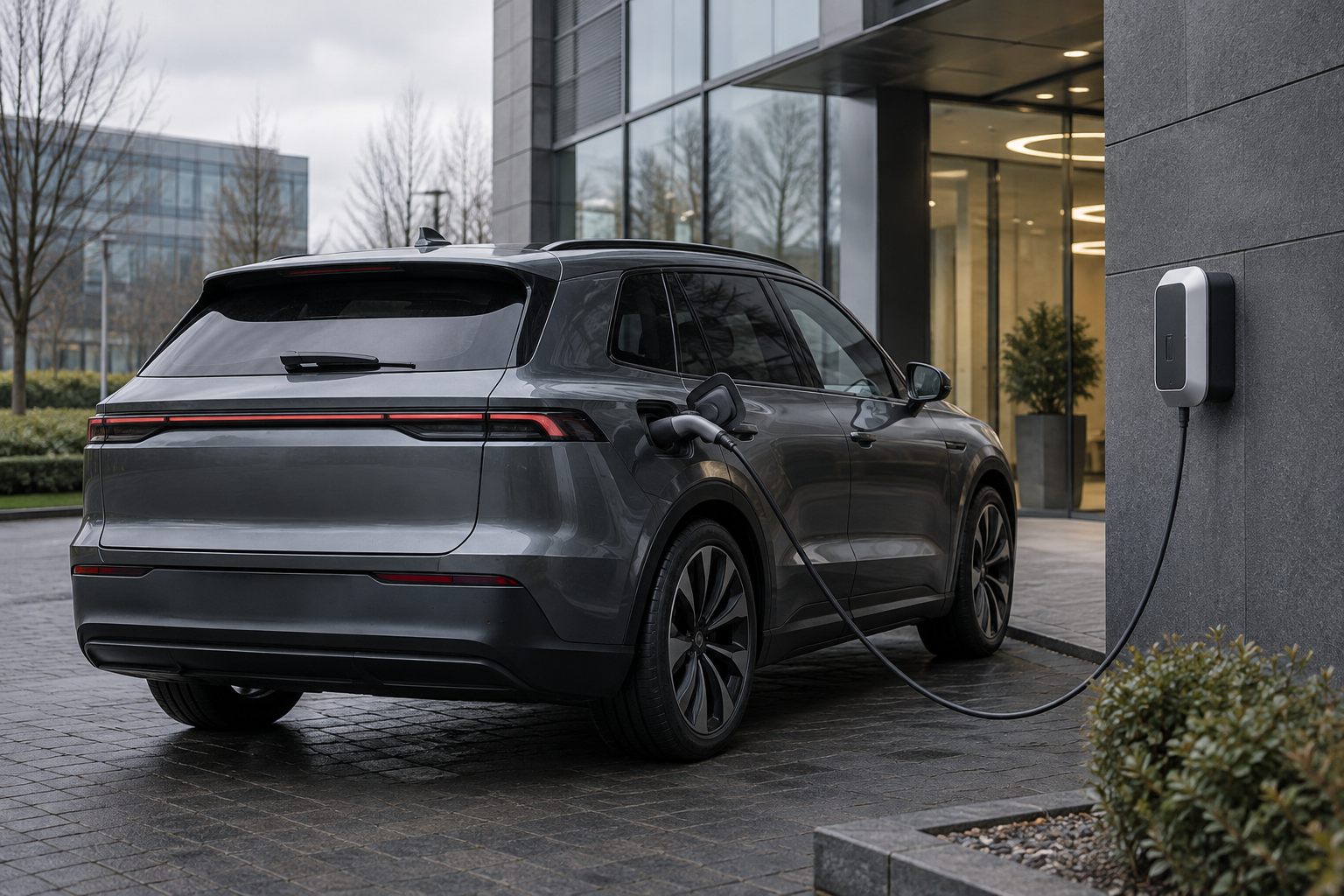
Range Rover Electric offers £19,000 company car tax saving
The £154,070 electric SUV carries a higher purchase price than the V8, but lower benefit-in-kind rates cut bills for drivers and employers.
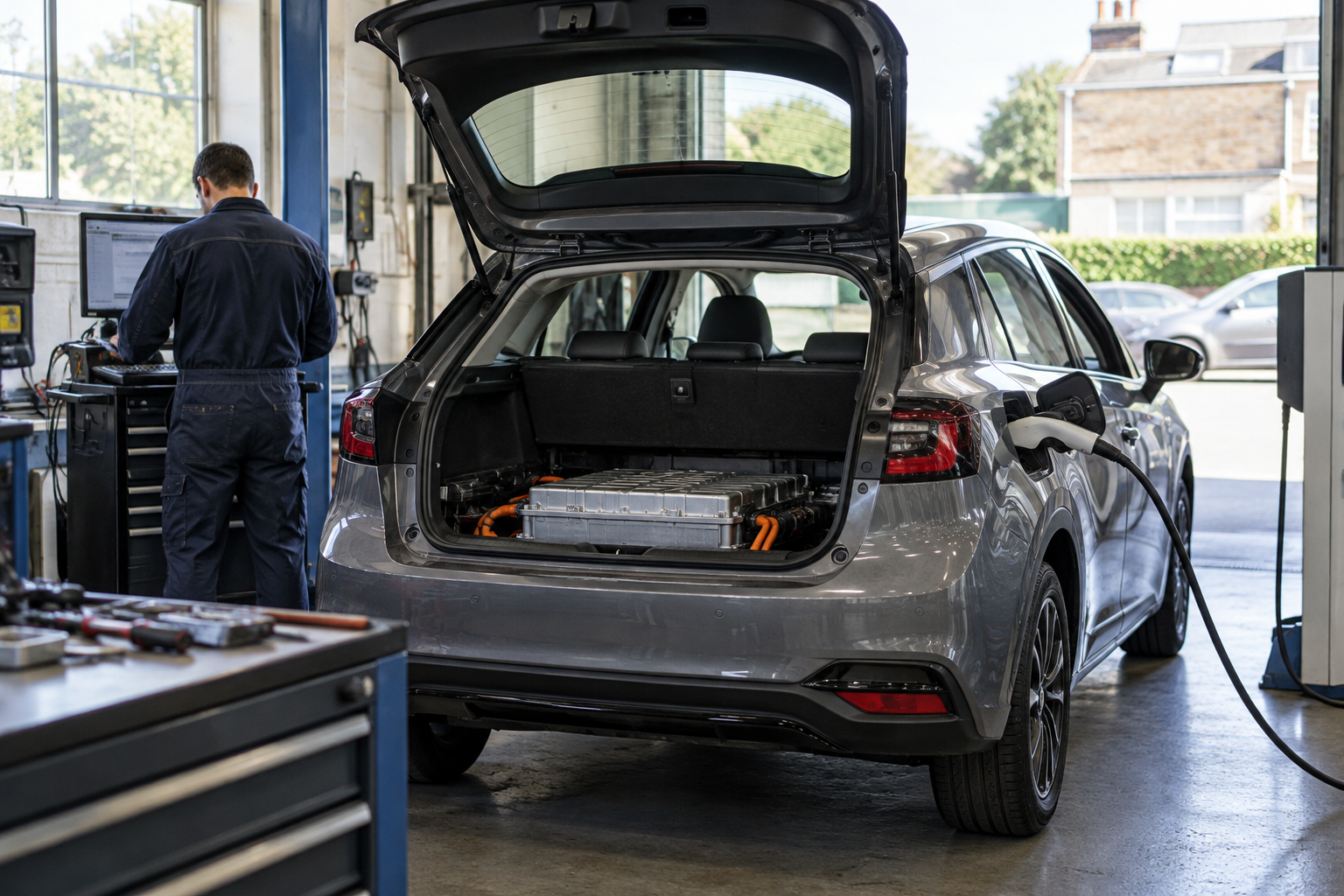
Volkswagen caps charging at 80% for 5,000 UK cars over fire risk
Selected Volkswagen and Cupra electric cars face battery checks after an over-the-air update restricted charging over overheating concerns.
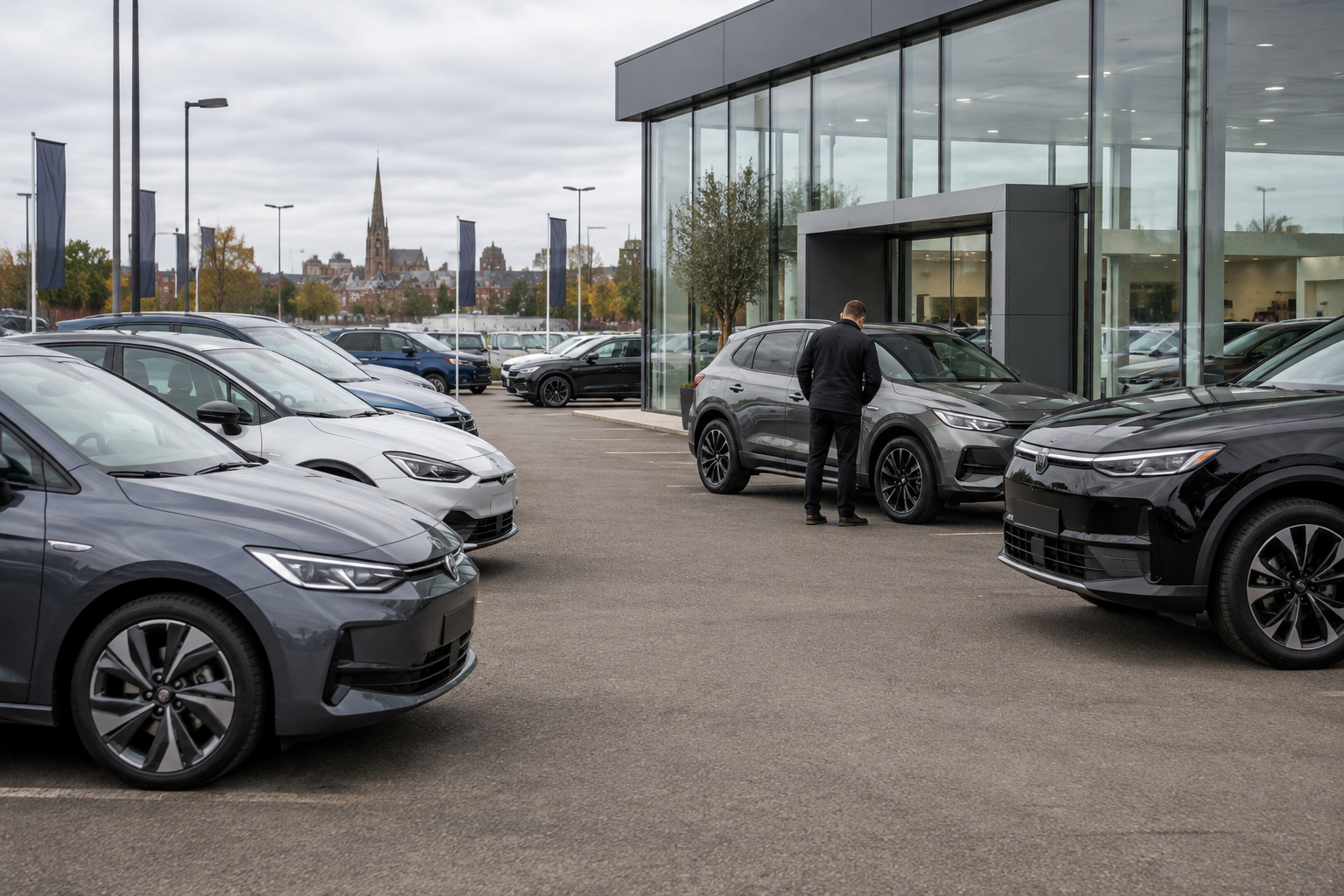
Geely targets 46,000 UK sales as fleet team doubles
The Coventry-based operation plans three more models and a larger fleet team as it seeks to more than double UK sales in 2027.
Company car tax rises draw fleet criticism after Budget
Fleet specialists warn that higher benefit-in-kind rates and weaker purchase allowances will add pressure to electric and plug-in hybrid company cars.