Logistics & Fulfilment
Healey extends fuel duty freeze and pledges £100m for EV charging
The Budget keeps fuel duty at 52.95p a litre, raises business mileage rates and sets out plans for an electric vehicle mileage tax.

By Sophie Callaghan, Retail & E-commerce Reporter ·
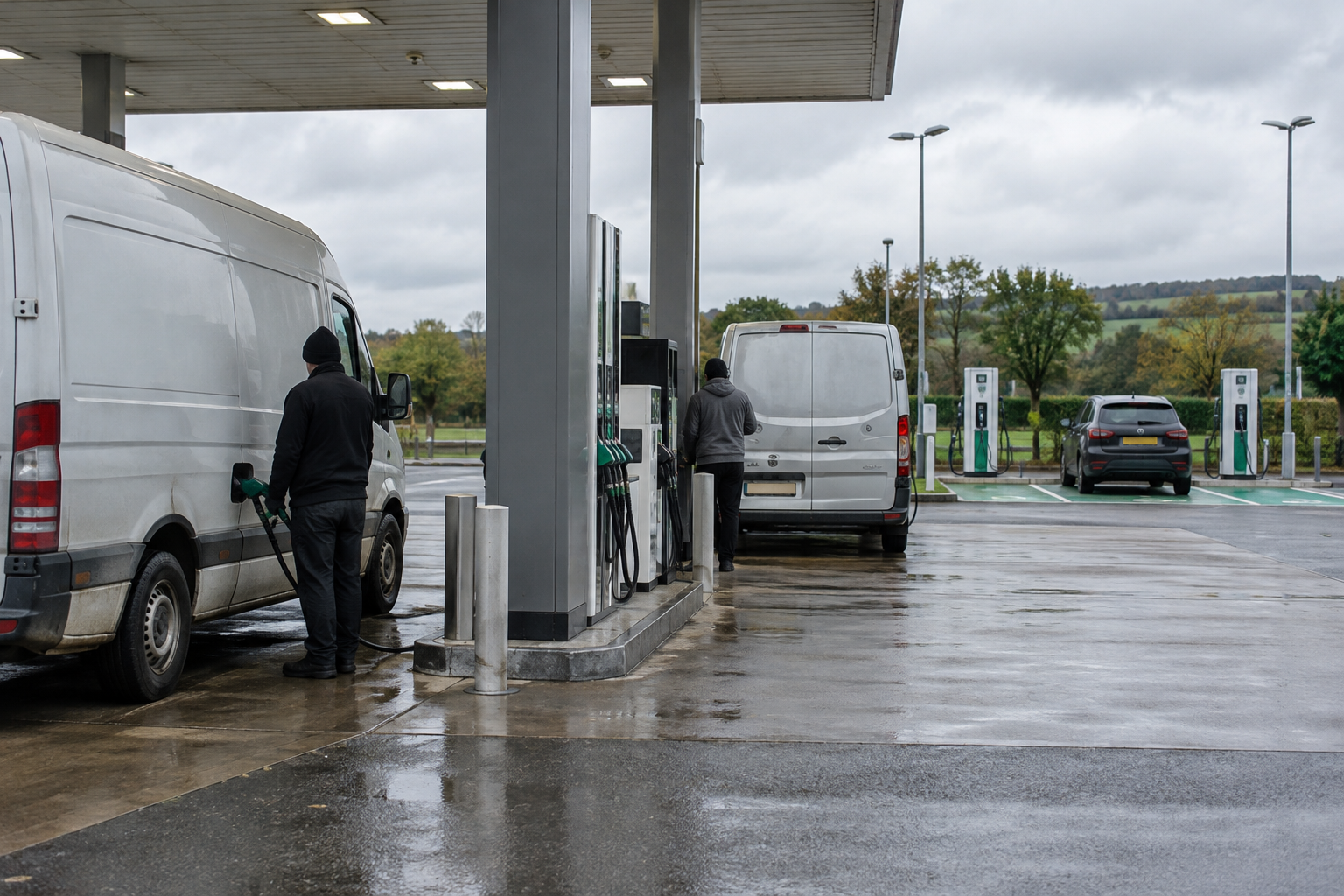
Chancellor John Healey has extended the UK fuel duty freeze until July 2027 and committed £100m to reducing public electric vehicle charging costs in his first Budget.
The package also makes a higher business mileage reimbursement rate permanent and confirms further tax increases for company car users, as reported by Autocar. For employers and fleet operators, it combines immediate changes to motoring allowances with longer-term commitments on vehicle taxation.
What happened
Fuel duty will remain at 52.95p a litre, preserving the existing 5p reduction. That relief had been scheduled to expire on 31 December 2026, so the announcement postpones the increase rather than introducing a further reduction in the tax paid at the pump.
Healey attributed the decision to continuing pressure on fuel prices from the war in the Middle East. The government said higher motor fuel prices accounted for most of the increase in inflation between June and September, when the rate rose from 2.6% to 3.5%.
That distinction matters for businesses budgeting for petrol and diesel: the tax component is being held steady, but the announcement does not fix retail prices. The wider operating-cost pressure is also reflected in MoneySuperMarket’s estimate of a £671 annual increase in van fuel costs.
For employees using their vehicles on business, the approved mileage rate for annual mileage below 10,000 miles will remain at 55p a mile. It had been increased temporarily from 45p for the current tax year; Healey has now made that change permanent.
The rate applying above the 10,000-mile threshold has also increased, from 25p to 35p a mile. Both bands therefore carry a 10p increase on their previous levels, giving employers revised figures against which to review business mileage reimbursement arrangements.
The background
The charging measures address a separate cost divide between motorists who can plug in at home and those dependent on public infrastructure. The temporary removal of VAT from domestic electricity is being extended until July 2027, benefiting electric vehicle and plug-in hybrid owners with access to home charging.
Public charging will continue to attract VAT at 20%. The Budget therefore leaves different tax treatment in place according to where a vehicle is charged, rather than applying the domestic electricity concession across the charging network.
The new public charging allocation is directed at local, lower-powered charge points. Funding will be divided equally between two financial years, with £50m available in 2027-28 and another £50m in 2028-29; it is not an immediate reduction in VAT on public electricity supplies.
Charging location is consequently a relevant factor for fleet managers assessing electric vehicle running costs. Alongside the Budget measures, Octopus has announced reductions of up to 30% in fleet public charging costs, illustrating another route through which businesses are seeking lower charging bills.
Company car taxation is also set to increase. Benefit-in-kind bands will rise by one percentage point in 2030-31, a change the government expects to generate an additional £310m in that financial year and £345m in 2031-32.
Those are separate changes from the tax treatment of charging electricity and the planned mileage levy on electric vehicles. The implications for employer-provided vehicles have prompted fleet criticism of the Budget’s company car tax increases.
What people are saying
Opposition leader Kemi Badenoch welcomed the decision not to increase fuel duty immediately but challenged the length of the extension. She pointed to the Conservative Party’s record of maintaining a freeze for 14 years and argued that the government should offer a longer commitment.
AA president Edmund King said postponing the increase would leave drivers facing a later jump in costs. He argued for a further 5p reduction, potentially limited to diesel, suggesting that higher VAT receipts resulting from elevated pump prices could help offset the lost duty revenue.
Rod Dennis, senior policy officer at the RAC, said holding the existing rate prevented an additional burden without making a tank of fuel cheaper. He noted that pump prices had risen sharply during the summer despite the reduced duty rate already being in place.
On electric vehicles, King criticised the widening difference between home and public charging taxation. In his view, maintaining that disparity missed an opportunity to encourage more drivers to switch to electric cars.
Vicky Edmonds, chief executive of Electric Vehicle Association England, welcomed the charging funding but expressed disappointment that the government had not reduced public charging VAT. Her response distinguished support for the allocation from concern about the unchanged tax rate.
Dennis also argued that a VAT reduction would have been a straightforward way to make electric vehicles accessible to more motorists. He said the government instead appeared to be examining how lower-powered public charging could be offered at a cost comparable with charging at home, and said the RAC wanted further details.
What happens next
The government is considering whether electric vehicle drivers could access domestic VAT rates when using public chargers. It said it was taking immediate steps to establish a taskforce, leaving the design of that arrangement to further work rather than confirming an implemented change.
Separately, Electric Vehicle Excise Duty, known as eVED, is due to begin in April 2028. Healey did not address the planned pay-per-mile tax directly in his Budget speech, but the government has clarified its intended timetable.
A new tool is planned for the launch to allow drivers to estimate and declare their mileage. Proof-of-concept work is under way, while a separate mechanism is being developed through which motorists could opt to have their car’s trip computer submit mileage automatically.
The government aims to automate refunds by 2030. That process would cover drivers who overestimate their mileage and pay too much, as well as those who sell their vehicle, making repayment administration a further stage of the scheme’s development.
Large fleet operators have been promised additional guidance later this year. That will provide a further point for businesses to assess the reporting requirements alongside the running costs of electric vehicles.
The Office for Budget Responsibility forecasts that eVED will add about £2bn to vehicle excise duty revenues by 2031-32. The projection gives the planned mileage charge a substantial role in future motoring tax receipts, beyond the Budget’s near-term fuel and charging measures.
Timeline
July 2027
Extended fuel duty relief and the temporary removal of domestic electricity VAT run until this month.
April 2028
Electric Vehicle Excise Duty is scheduled to launch with a mileage estimation and declaration tool.
2030
The government aims to automate mileage tax refunds for overpayments and vehicle sales.
2030-31
Company car benefit-in-kind tax bands rise by one percentage point.
2031-32
The Office for Budget Responsibility forecasts about £2bn in additional vehicle excise duty receipts from eVED.
Why this matters
For businesses running vehicles or reimbursing staff travel, the Budget provides a longer period without a fuel duty increase and revised mileage allowance benchmarks. It does not remove exposure to rising pump prices. Electric fleet decisions also remain sensitive to charging access, with public charging VAT unchanged at 20%. Directors planning vehicle replacement cycles face further decisions before the April 2028 mileage tax launch and the company car tax increase in 2030-31.
Frequently asked questions
- How long is the fuel duty freeze being extended?
- The fuel duty freeze runs until July 2027. It retains the existing 5p reduction and keeps duty at 52.95p a litre. The relief had been due to expire on 31 December 2026.
- Will the fuel duty freeze make petrol and diesel cheaper?
- The announcement does not cut the existing duty rate. It postpones an increase, rather than directly reducing pump prices. The RAC noted that fuel prices had risen during the summer despite the reduced rate already applying.
- What are the new business mileage rates?
- The approved rate below the 10,000-mile annual threshold is 55p a mile, with the previously temporary increase made permanent. The rate above that threshold has risen from 25p to 35p a mile.
- Has VAT on public EV charging been reduced?
- No. Public charging VAT remains at 20%. The government is considering access to domestic VAT rates at public chargers and is establishing a taskforce, but has not confirmed an implemented tax reduction.
- What will the £100m EV charging funding pay for?
- The funding is intended to lower prices at local, lower-powered public charge points. It is split into £50m for 2027-28 and £50m for 2028-29.
- When does the electric vehicle pay-per-mile tax start?
- Electric Vehicle Excise Duty is scheduled to begin in April 2028. A tool for estimating and declaring mileage is planned, alongside work on optional automatic reporting through vehicle trip computers.
- Is company car tax going up?
- Company car benefit-in-kind tax bands will rise by one percentage point in 2030-31. The government expects additional receipts of £310m that year and £345m in 2031-32.
In this story
Follow-up coverage
Topics: fuel duty freeze · fuel duty July 2027 · Budget EV charging funding · business mileage rates 55p · public EV charging VAT · electric vehicle pay per mile tax · company car tax 2030 · All Logistics & Fulfilment news →
Original reporting: Autocar. This article is an independent write-up by British Business Echo.
Latest from the newsdesk
- E-commerce
Meta launches Muse shopping agent with major UK retailers
- Funding & Business Finance
British Business Bank takes £43m Oxford Science Enterprises stake
- Business Mistakes / Lessons Learned
Next business data accessed in supplier cyberattack
- Business Growth
UK pork producers secure Vietnam access and Philippines deal
- Business Regulation
HSE tools help small firms check health and safety duties
Related stories

Fortnum & Mason picks Oracle for supply chain overhaul
The luxury retailer is bringing product data, supplier records and quality checks into one system to reduce manual work and support growth.
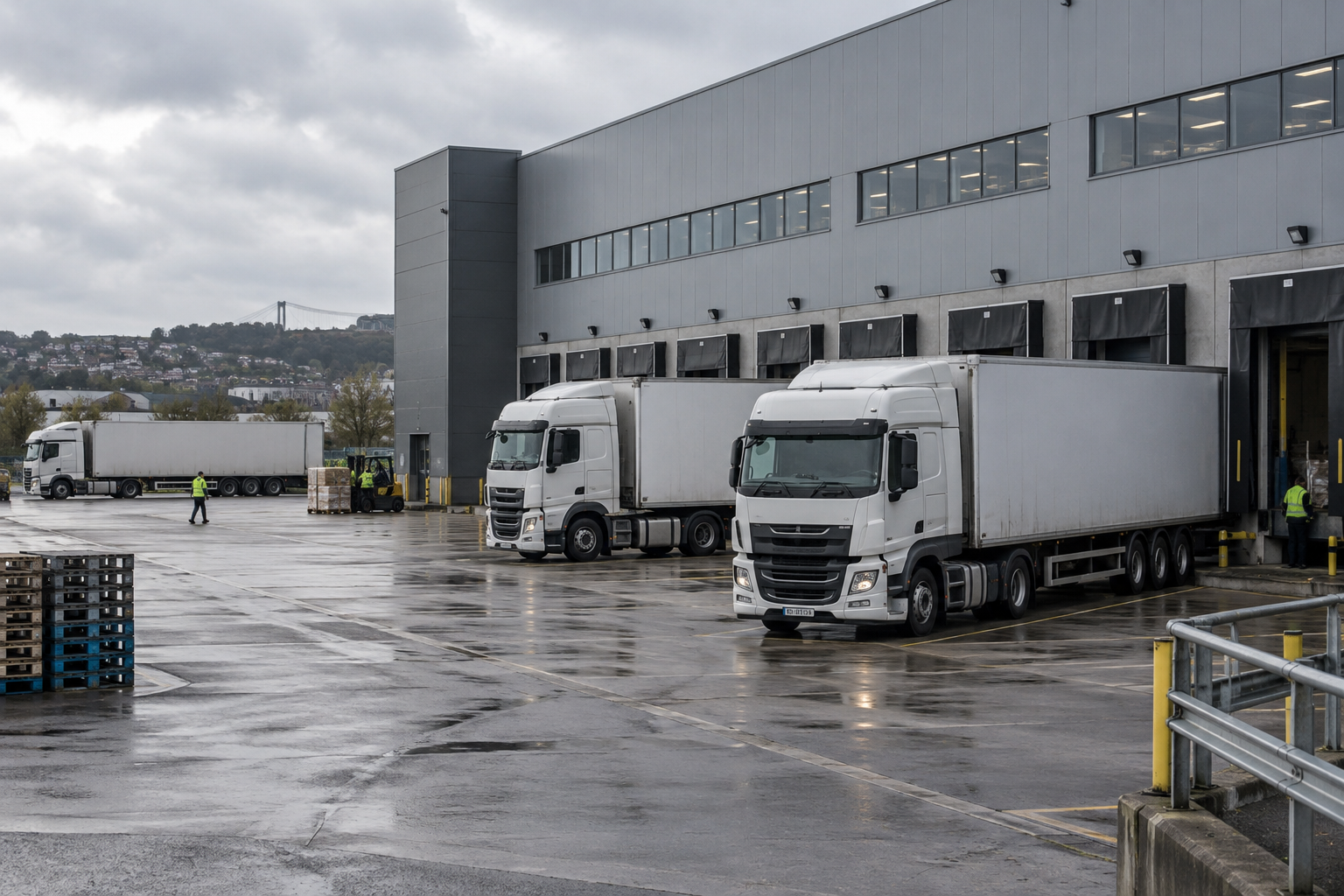
Waitrose plans Avonmouth hub as part of £1bn expansion
A new South West distribution centre will serve more than 50 shops, alongside Bristol store openings and an airport food-to-go partnership.

Supermarkets caught off guard by Be Ready campaign
Retailers question government preparations for emergency supplies advice, while remaining confident they can meet demand for essentials.
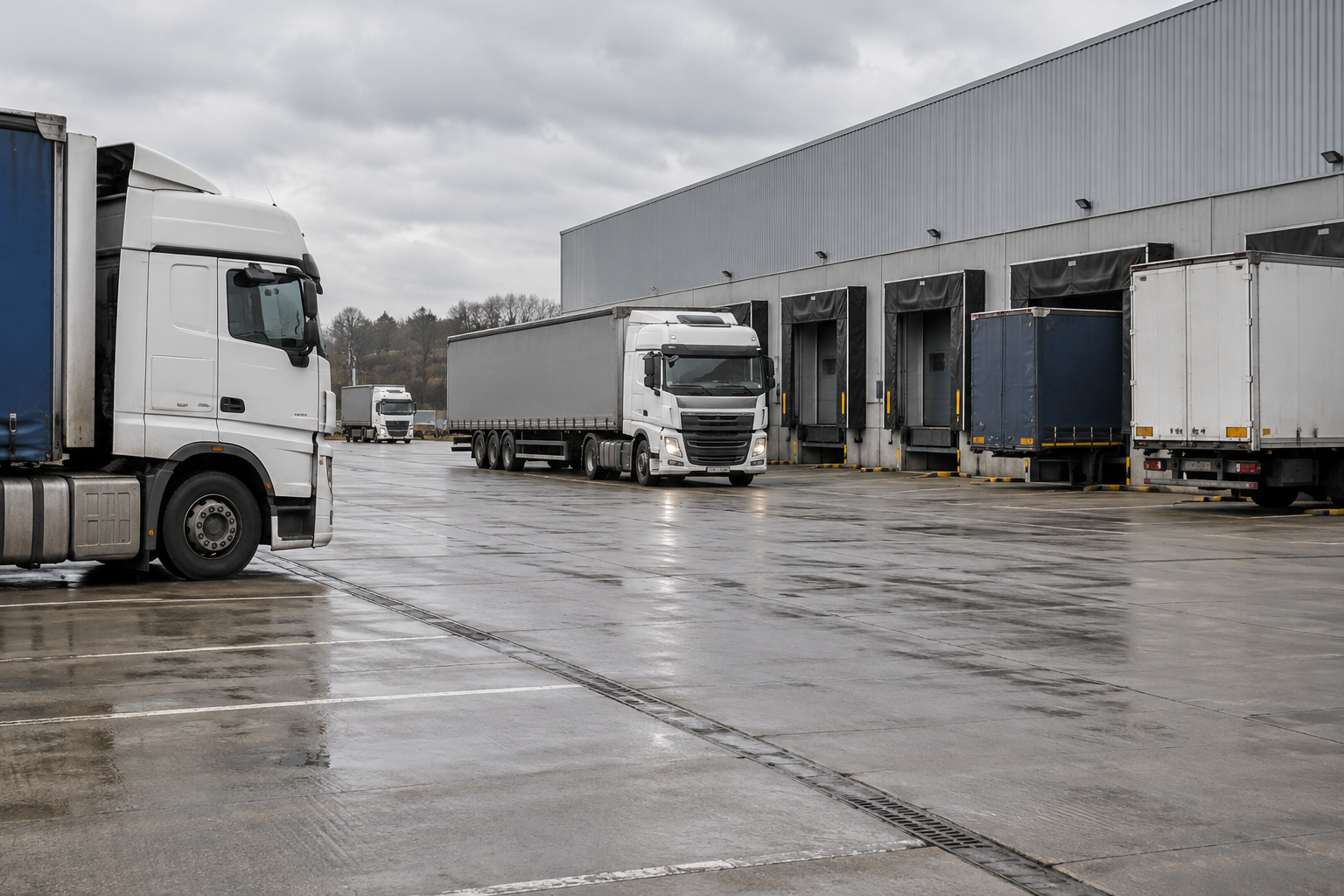
GXO survey finds fuel costs spur interest in cleaner fleets
Rising fuel costs are pushing UK operators towards alternative fuels, but investment depends on savings, infrastructure and operational benefits.