Company Cars & Benefits
Ayvens and Fellten offer fleet chargers to bypass grid delays
The partners will use battery-backed charging units to help workplaces with limited power supply and cut reliance on costly public networks.

By Marcus Bell, Lifestyle & Motoring Editor ·
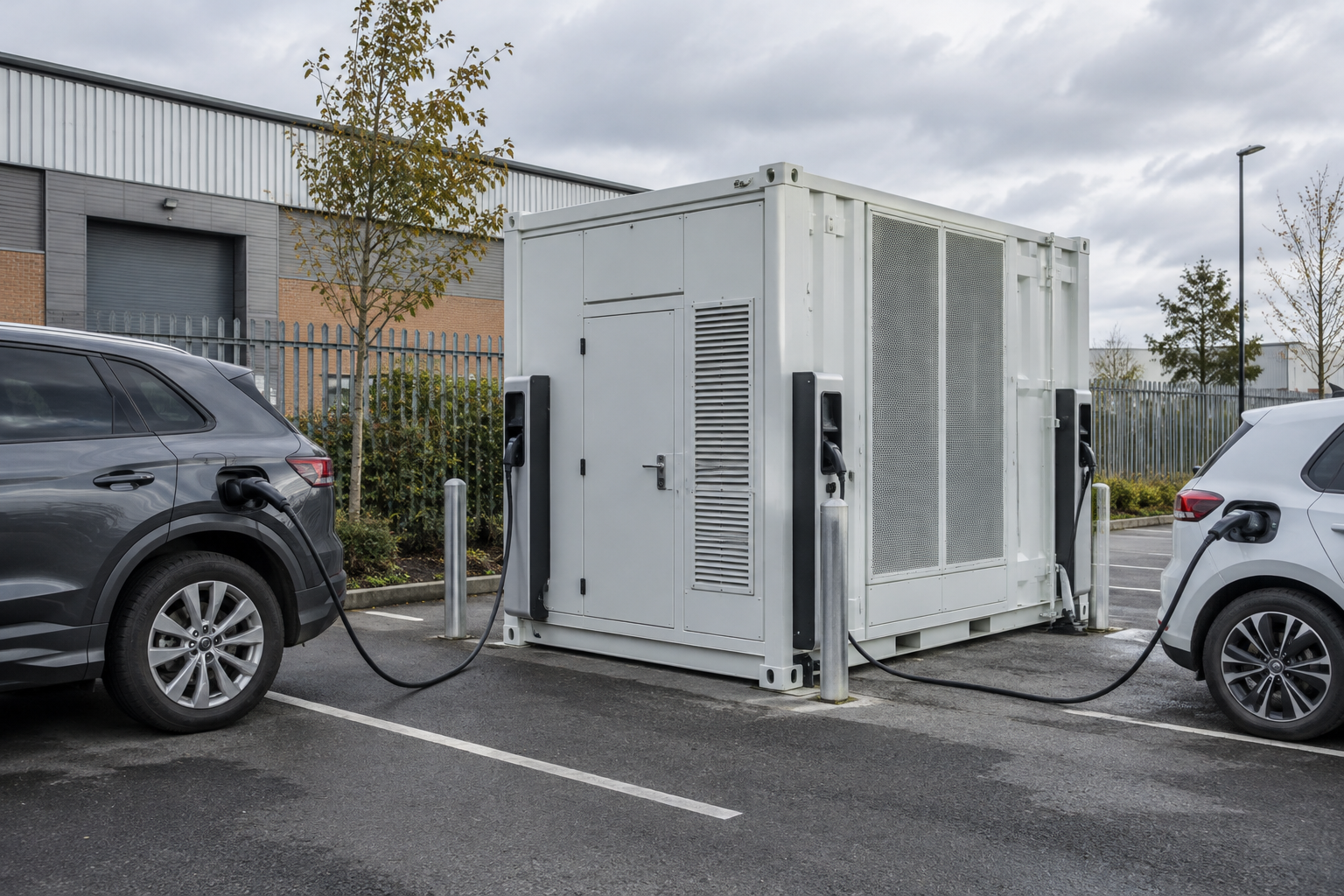
Fleet company Ayvens has partnered with electric vehicle technology business Fellten to supply containerised workplace chargers with up to 1MWh of battery storage, targeting company car fleets held back by insufficient site power.
The agreement, reported by Autocar, aims to help businesses electrify without waiting for grid upgrades and give drivers an alternative to expensive public charging.
What happened
The partners will offer Fellten’s Charge Qube units, which combine battery storage with either AC or DC charging. Rather than requiring the site to supply all the power needed at the moment a vehicle plugs in, the equipment can store electricity for later use.
The units connect to a three-phase electricity supply and require no groundwork. Where that connection is already available, deployment can take as little as two hours. That timing depends on the existing supply being in place, rather than applying to every workplace.
The equipment can be moved between locations, although Fellten also designs it for permanent installation. This gives fleets a choice between a relocatable unit and a longer-term charging facility without changing the underlying approach.
The proposal addresses power availability at workplaces, a separate issue from vehicle-specific charging limits such as Volkswagen’s 80% charging cap affecting 5,000 UK cars.
The background
Demand from data centres, electric vehicle charging and industry has increased pressure on grid connections. Government figures cited in the report put the increase in demand for grid installation upgrades at 460% in the first half of 2025, with projects taking up to 15 years to complete.
For fleets unable to provide sufficient charging at work, the alternative can carry a substantial cost penalty. Public charging can cost 13 times as much as the cheapest domestic electricity rates, leaving drivers without home charging at a disadvantage.
Russ Boulton, Ayvens’s head of customer data and innovation, said early electric company car adopters were often people able to charge at home on low-cost tariffs. The pool of drivers is changing as more fleets restrict their company car lists to electric vehicles and plug-in hybrids.
That shift is meeting resistance from some employees who depend on public chargers, according to Boulton. Their experience of running an electric car can differ sharply from that of colleagues with access to cheaper electricity.
The infrastructure challenge accompanies further investment in the fleet market, including Geely’s plans to double its fleet team while targeting 46,000 UK sales.
What people are saying
Boulton said the battery-backed units draw substantially less peak power from the site than a DC charger. This allows businesses to purchase electricity when it is cheaper and greener, store it and make it available when drivers need to charge.
He said those savings could be passed on to company car drivers. The benefit is therefore not simply access to a workplace charger: the price charged to employees would also determine whether they share in the lower energy costs.
Boulton described a divide between drivers paying about 1.7p per mile and others paying 30p or 40p per mile. In his view, fairly priced workplace charging can help employers manage that disparity as their company car policies change.
Simon Tate, Fellten’s sales and marketing director, said car and van fleets face similar infrastructure constraints. Businesses may be ready to replace vehicles, he said, while lacking the power supply needed to operate their electric replacements.
Tate argued that electrification need not always depend on an expensive grid upgrade or major infrastructure project. Fellten’s approach is intended to give businesses a way to start despite those constraints.
What happens next
Ayvens and Fellten will work with customers to identify where charging demand exceeds available capacity. They plan to use fleet telematics data where it is available, helping them establish which sites could benefit from a Charge Qube.
The wider transition also faces an unsettled policy backdrop, with the UK government weighing a reduction in the 2030 electric vehicle sales target. For the partners’ customers, the immediate work will centre on matching workplace charging demand with the power their sites can provide.
Why this matters
For employers moving company car fleets towards electric vehicles, charging provision affects both operational readiness and employees’ running costs. Battery-backed workplace units offer a route around limited site power without necessarily waiting for a grid upgrade. The practical benefit depends on an existing three-phase connection, suitable charging demand and how employers price electricity for drivers. Buying energy at cheaper times could help narrow the cost gap between employees with home charging and those dependent on public networks.
Frequently asked questions
- What is the Ayvens and Fellten charging partnership?
- Ayvens and Fellten will supply containerised EV chargers to company car fleets with insufficient workplace power. The partnership aims to reduce dependence on grid upgrades and expensive public charging.
- What is a Fellten Charge Qube?
- A Charge Qube combines AC or DC vehicle charging with a battery pack offering up to 1MWh of storage. It connects to a three-phase electricity supply and requires no groundwork.
- How quickly can a Charge Qube be installed?
- Deployment can take as little as two hours if a suitable three-phase electricity connection is already available. The units can be relocated but are also designed for permanent use.
- How could battery-backed charging cut fleet costs?
- The units allow fleets to buy electricity at cheaper times, store it and supply vehicles later. Ayvens said the resulting savings could be passed on to company car drivers.
- Why are some company car drivers paying more to charge?
- Drivers without home charging may depend on public networks, which can cost 13 times as much as the cheapest domestic electricity rates. Ayvens said this creates significant differences in running costs across fleets.
- How will Ayvens identify sites that need more charging capacity?
- Ayvens and Fellten will assess customers’ charging demand and available site power. They will use fleet telematics data where it is available to identify capacity shortages.
In this story
Follow-up coverage
Topics: fleet EV charging · Ayvens Fellten partnership · Fellten Charge Qube · containerised EV chargers · workplace EV charging · battery storage fleet charging · company car charging costs · All Company Cars & Benefits news →
Original reporting: Autocar. This article is an independent write-up by British Business Echo.
Latest from the newsdesk
- E-commerce
Meta launches Muse shopping agent with major UK retailers
- Funding & Business Finance
British Business Bank takes £43m Oxford Science Enterprises stake
- Business Mistakes / Lessons Learned
Next business data accessed in supplier cyberattack
- Business Growth
UK pork producers secure Vietnam access and Philippines deal
- Business Regulation
HSE tools help small firms check health and safety duties
Related stories
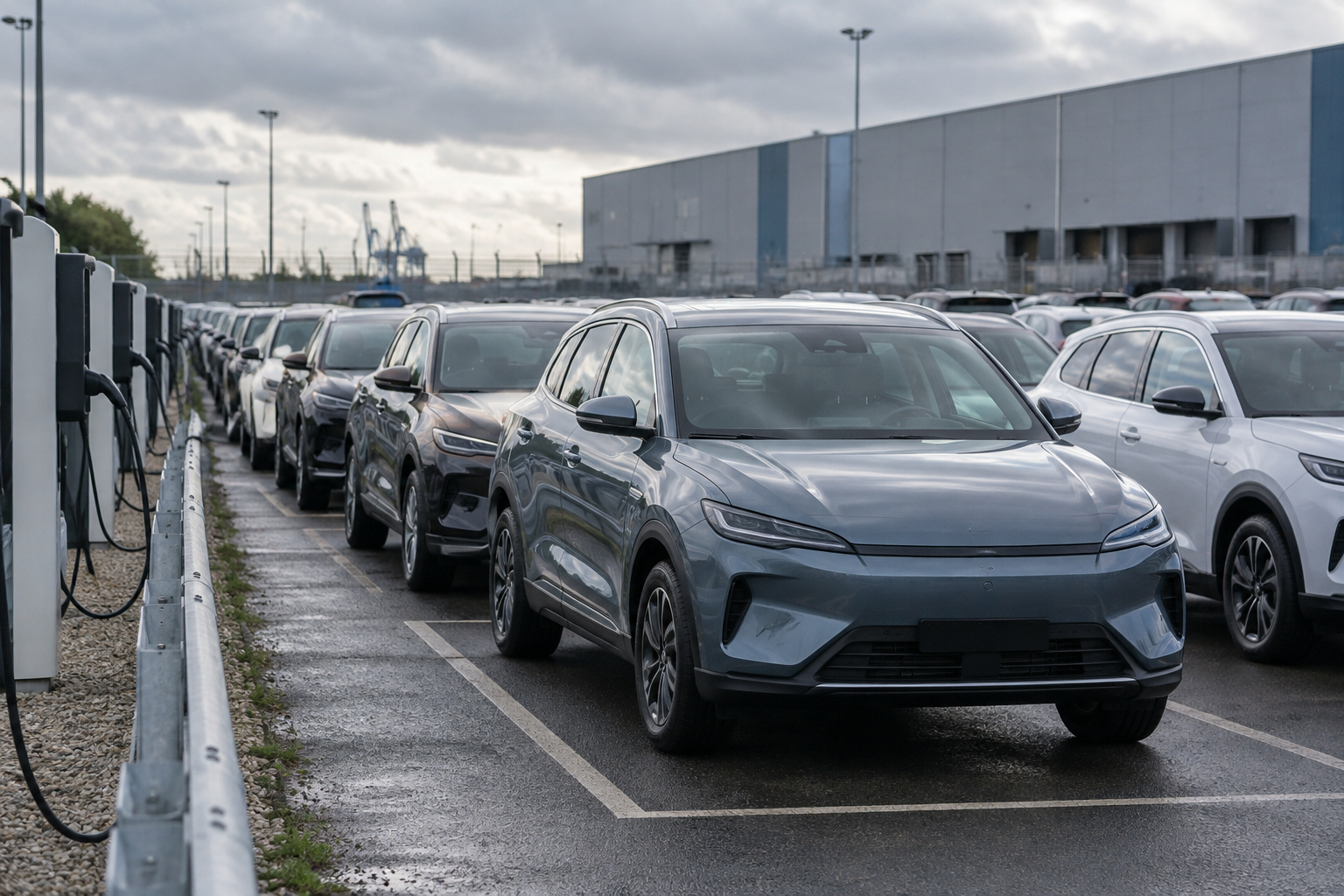
UK government weighs cut to 2030 electric vehicle sales target
The government is considering lowering the 2030 electric car sales requirement from 80% to 60%, but Downing Street says no decision has been made.
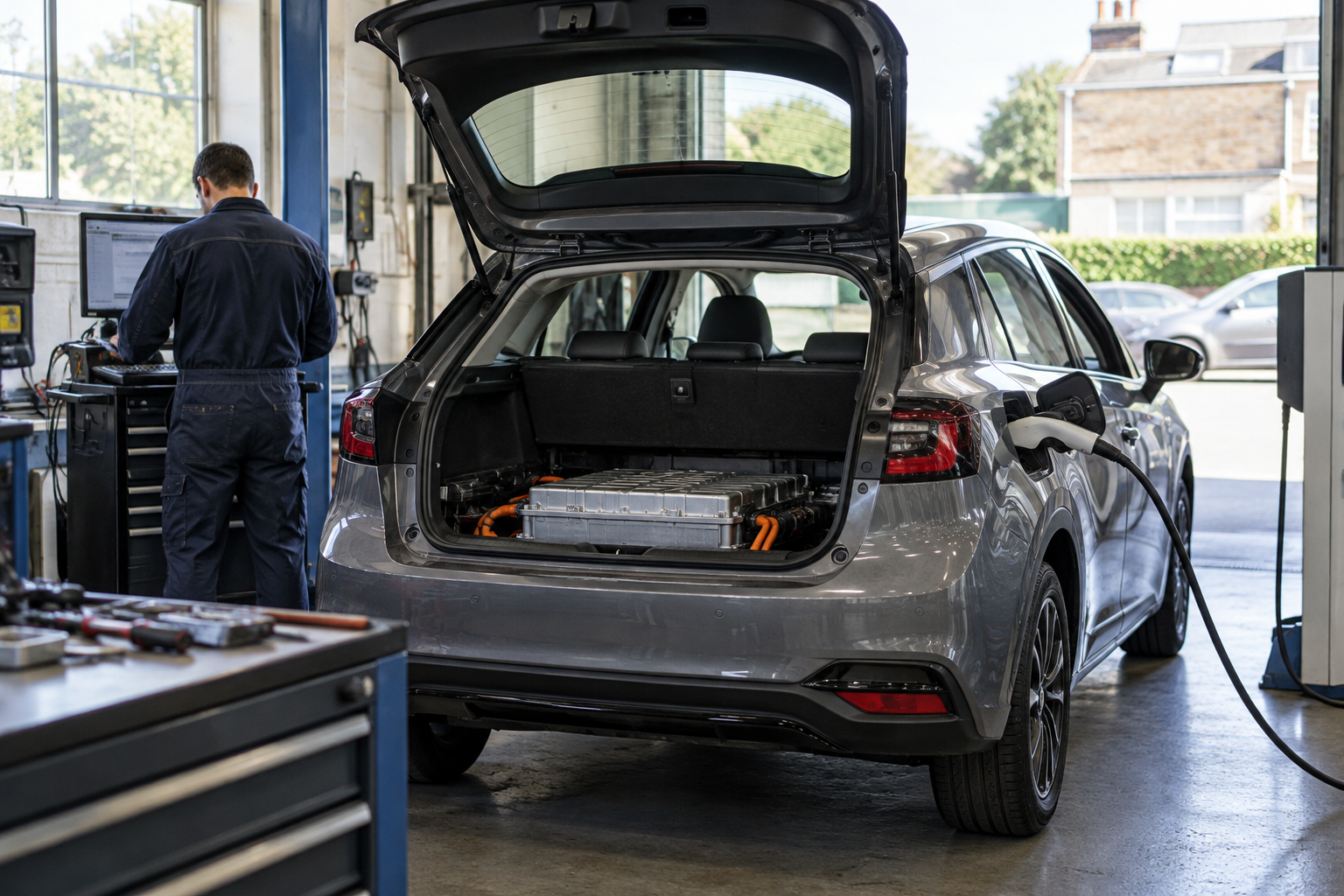
Volkswagen caps charging at 80% for 5,000 UK cars over fire risk
Selected Volkswagen and Cupra electric cars face battery checks after an over-the-air update restricted charging over overheating concerns.
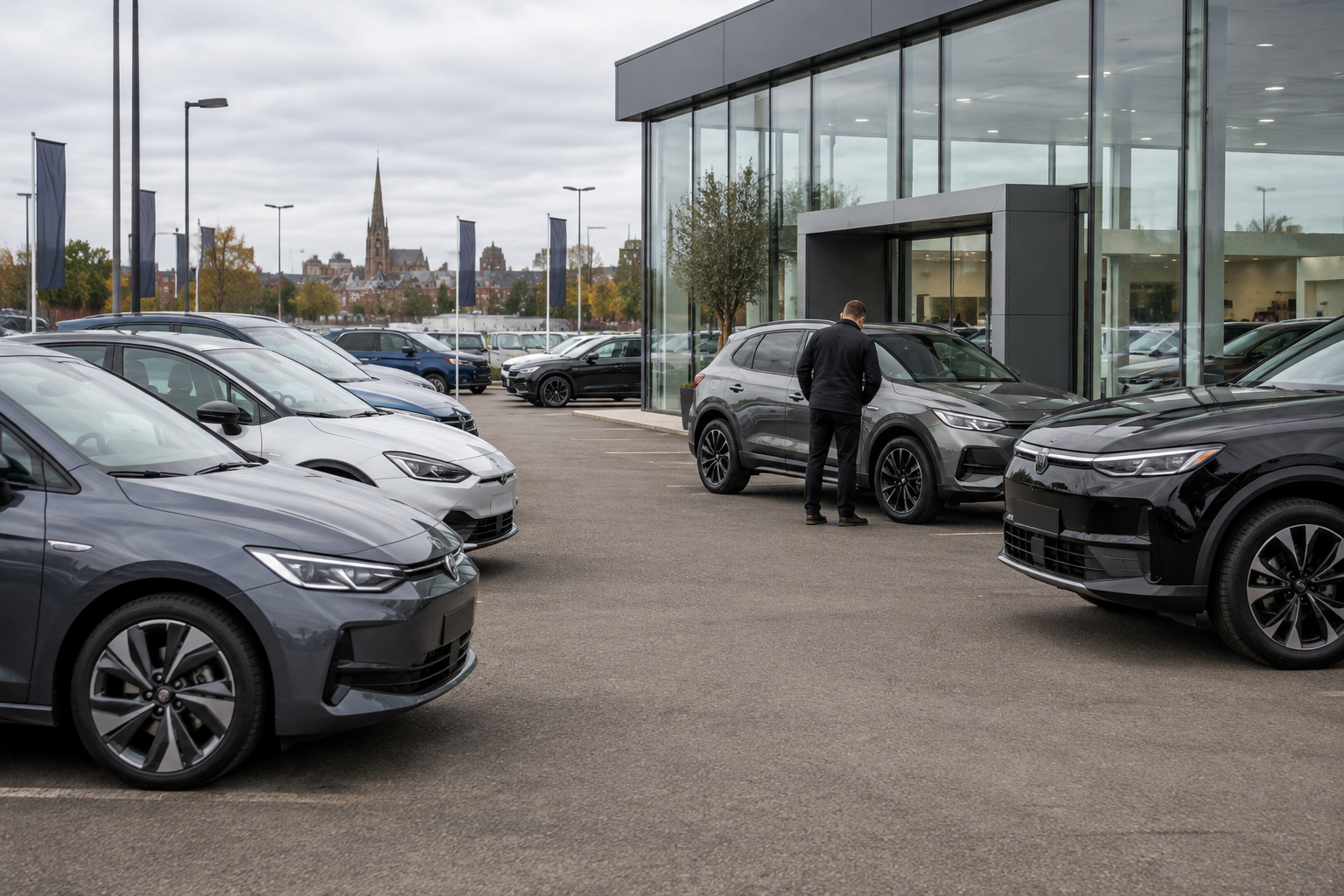
Geely targets 46,000 UK sales as fleet team doubles
The Coventry-based operation plans three more models and a larger fleet team as it seeks to more than double UK sales in 2027.
Company car tax rises draw fleet criticism after Budget
Fleet specialists warn that higher benefit-in-kind rates and weaker purchase allowances will add pressure to electric and plug-in hybrid company cars.