Cars for Business Owners
Hyundai Ioniq 6 starts at £33,240 after grant-backed price cut
The updated electric saloon offers up to 423 miles of official range, with revised trims securing the full £3,750 Electric Car Grant.

By Marcus Bell, Lifestyle & Motoring Editor ·
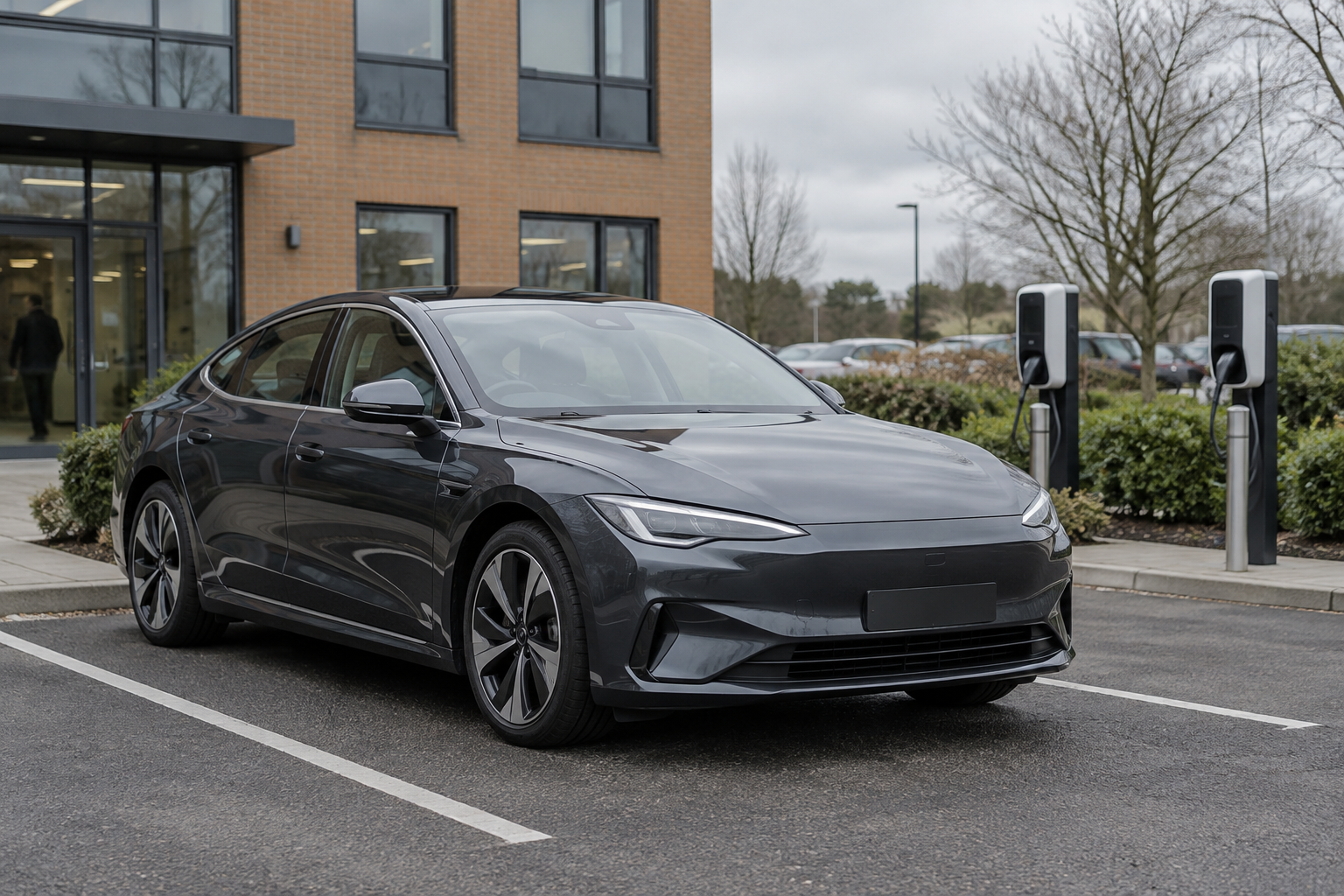
Hyundai’s updated Ioniq 6 electric saloon is now on sale in the UK from £33,240 after the Electric Car Grant, with an 84kWh battery and an official range of up to 423 miles. Revised trim levels and qualification for the full £3,750 subsidy have lowered the entry price of the Korean-built model.
The starting price is £5,910 below the £39,150 Mercedes-Benz CLA 200 Electric, which offers 328 miles of official range from a smaller battery. For business owners comparing electric saloons, that puts the Hyundai’s longest-range entry version below a smaller rival on both purchase price and advertised distance between charges.
What happened
Hyundai reorganised the Ioniq 6 line-up to bring eligible versions beneath the grant’s £37,000 price threshold. It also secured approval against the scheme’s production sustainability requirements, allowing the car to receive the maximum discount, according to Autocar.
The £33,240 price applies to Premium trim. N Line, the next specification level, costs £36,240 after the grant and adds sportier styling, making the step up from the entry model £3,000.
The eligibility decision places these versions among the cars benefiting from the Electric Car Grant’s reductions of up to £3,750. However, the same support does not extend across the entire Ioniq 6 range.
N Line Evo and the 320bhp dual-motor versions are outside the grant offer, with prices of £43,270 and £46,770 respectively. Buyers moving into those versions therefore face a larger price increase than the difference between the two grant-supported trims.
The work needed to secure eligibility was lengthy and contributed to the delay in bringing the facelifted car to the UK. That process is complete, with the revised model now available rather than awaiting a future launch.
The background
The Ioniq 6 originally cost £47,000 when it arrived. Its new starting price is £13,760 lower, although that comparison reflects the changed line-up, wider reductions in electric vehicle prices and grant support rather than a discount on an unchanged specification.
The updated saloon shares its upgraded 84kWh battery with Hyundai’s Ioniq 5 SUV. It retains a lower-bodied alternative for buyers who want an electric car without moving into an SUV, with the Mercedes-Benz CLA Electric, Tesla Model 3 and Volkswagen ID 7 identified as rivals.
Hyundai has also made substantial exterior revisions. The headlights are slimmer, the wheel designs have changed and the previous prominent rear wing has been removed, while the car retains its distinctive streamlined profile.
Inside, revised materials reduce the amount of hard plastic. The centre console keeps physical buttons but arranges them more logically, alongside digital displays that the review found effective without overwhelming the dashboard.
The purchase-price change is particularly relevant to comparisons between powertrains. Alongside the narrowing cost advantage identified in a Skoda Octavia diesel comparison, the Ioniq 6 provides another concrete price point for owners assessing whether their next business car should be electric.
What people are saying
The review rated the 84kWh N Line at 4.5 stars, finding that the combination of lower pricing and targeted improvements made the updated car more persuasive than the original. Its assessment was positive overall, but identified compromises in seating position and suspension comfort.
Rear passenger space was a particular strength. Generous legroom helped offset the effect of the high cabin floor, giving passengers more room to accommodate their legs than the floor height alone might suggest.
The front-seat arrangement was less successful. The reviewer found the driver sat higher than expected for a saloon, with the CLA and Model 3 providing a lower, more conventional driving position. The facelift has therefore not removed every ergonomic criticism.
N Line brings a separate cabin change through its three-spoke steering wheel, taken from the Ioniq 6 N. That replaces the two-spoke design and is one of the visible differences buyers receive beyond the trim’s exterior styling.
On the road, the rear-wheel-drive model received credit for controlled body movement and accurate steering. The review also found that its driven rear axle gave it an engaging balance, including on wet surfaces.
Ride comfort attracted a more qualified assessment. Difficult roads could expose limited suspension travel, while sharper impacts and smaller vibrations were not always isolated effectively. Choosing 18-inch wheels instead of 20-inch wheels did not substantially improve comfort in the test.
Wheel size nevertheless has a significant effect on the official range figure. The smaller wheels add 59 miles under the WLTP test cycle, although the review cautioned that the difference in everyday driving would be less pronounced.
For real-world use, the reviewer considered around 300 miles achievable with efficiency in the high-three-miles-per-kWh range. That assessment is separate from the maximum 423-mile official figure and gives buyers a different reference point when considering regular journeys.
What happens next
Buyers can now choose between the lower-priced grant-supported versions and the more expensive specifications without support. The tested N Line is listed with 364 miles of official range, so the entry model’s headline 423-mile figure should not be applied indiscriminately across the range.
The N Line specification reviewed produces 225bhp and 258lb ft of torque, driving the rear wheels through a single-speed reduction gearbox. It weighs 1,987kg, reaches 62mph from rest in 7.4 seconds and has a stated top speed of 114mph.
Its published specification also lists economy of 4.0 miles per kWh, CO2 emissions of 0g/km and a 4% tax band. For company-car users, those details sit alongside the purchase price; the separate fleet criticism of company car tax rises concerns another element of the ownership calculation.
Why this matters
For business owners replacing an executive car, the £33,240 entry price changes the upfront comparison with rival electric saloons. Grant eligibility is central to that calculation: higher-specification Ioniq 6 versions do not receive the same support. Directors assessing suitability for regular business travel also need to distinguish the maximum 423-mile official range from the review’s roughly 300-mile real-world assessment, while company-car users have a listed 4% tax band to consider alongside purchase cost.
Frequently asked questions
- How much does the updated Hyundai Ioniq 6 cost in the UK?
- The updated Hyundai Ioniq 6 starts at £33,240 in Premium trim after the Electric Car Grant. N Line costs £36,240 after the same support.
- Does the Hyundai Ioniq 6 qualify for the Electric Car Grant?
- Premium and N Line versions receive the full £3,750 Electric Car Grant. N Line Evo and the 320bhp dual-motor versions do not qualify.
- What is the Hyundai Ioniq 6 range?
- The entry-level 84kWh version offers up to 423 miles under the official WLTP test. The reviewed N Line specification lists 364 miles, while the review considered around 300 miles achievable in everyday driving.
- Is the Hyundai Ioniq 6 cheaper than the Mercedes CLA Electric?
- The £33,240 Hyundai Ioniq 6 starting price is £5,910 below the £39,150 Mercedes-Benz CLA 200 Electric. The entry Hyundai also has a longer official range: 423 miles against 328 miles.
- What has changed on the updated Hyundai Ioniq 6?
- Changes include an upgraded 84kWh battery, slimmer headlights, new wheel designs and removal of the prominent rear wing. Interior materials and the centre-console layout have also been revised.
- Do smaller wheels improve Hyundai Ioniq 6 range?
- The 18-inch wheels add 59 miles of official range compared with the 20-inch wheels. The review expected a smaller difference in practice and found little improvement in ride comfort.
- What are the Hyundai Ioniq 6 N Line performance figures?
- The reviewed rear-wheel-drive N Line produces 225bhp and 258lb ft of torque. Its stated 0–62mph time is 7.4 seconds, with a top speed of 114mph.
In this story
Follow-up coverage
Topics: Hyundai Ioniq 6 · Hyundai Ioniq 6 UK price · Hyundai Ioniq 6 Electric Car Grant · Hyundai Ioniq 6 range · Hyundai Ioniq 6 N Line · Hyundai Ioniq 6 company car · All Cars for Business Owners news →
Original reporting: Autocar. This article is an independent write-up by British Business Echo.
Latest from the newsdesk
- E-commerce
Meta launches Muse shopping agent with major UK retailers
- Funding & Business Finance
British Business Bank takes £43m Oxford Science Enterprises stake
- Business Mistakes / Lessons Learned
Next business data accessed in supplier cyberattack
- Business Growth
UK pork producers secure Vietnam access and Philippines deal
- Business Regulation
HSE tools help small firms check health and safety duties
Related stories
BMW i3 M Sport priced from £54,925 as range reaches 519 miles
BMW’s electric executive saloon pairs long-range capability with low company-car tax, but options and wheel choice affect the buying calculation.
Renault Twingo to cost £14,745 after UK electric car grant
A £3,750 government grant brings the electric Renault Twingo's starting price level with the petrol Dacia Sandero.
BMW launches £54,925 i3 with up to 566 miles of range
The electric 3 Series arrives with a large battery and 400kW peak charging, while cheaper versions are set to follow.
Skoda Octavia comparison exposes diesel’s shrinking cost advantage
Higher diesel prices weaken the Octavia’s fuel-economy advantage, although towing performance and monthly finance payments complicate the choice.