Company Cars & Benefits
BVRLA seeks electric company car tax changes in Budget
Leasing firms want longer-term company car tax certainty and a lower taxable value for used EVs as falling resale prices hit the sector.

By Marcus Bell, Lifestyle & Motoring Editor ·
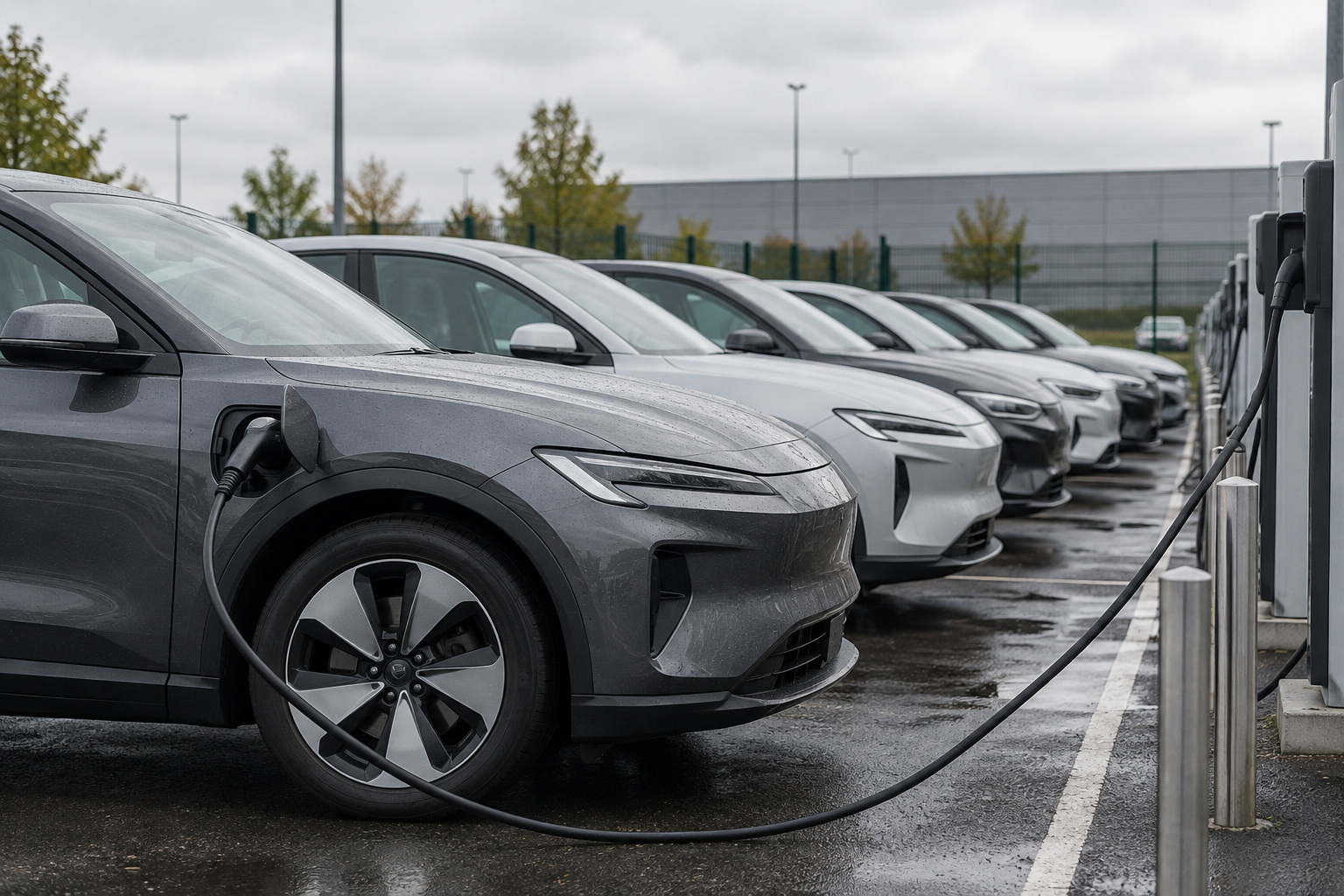
The British Vehicle Rental and Leasing Association (BVRLA) is calling for two changes to UK electric company car taxation in the Autumn Budget on 28 October, as leasing firms face falling resale values and uneven demand.
The industry body wants the Chancellor to extend certainty over future Benefit-in-Kind (BiK) rates and change how used electric company cars are valued for tax. Its report shows tax-supported business leasing and salary sacrifice growing while private leasing contracts.
What happened
The BVRLA wants the electric company car BiK rate held at 9% in both 2030/31 and 2031/32. The rate is already due to reach that level in 2029/30, but no rates have been published for subsequent years, as reported by Autocar.
The second proposal would change the taxable value of electric cars aged three years or more. Rather than using their full original list price, the association wants BiK calculated using 35% of that price, recognising the depreciation that has taken place before a second user takes the vehicle.
These requests come as leasing companies struggle with the gap between forecast and actual disposal prices. Aggressive discounts on new cars are reducing the value of vehicles returning from contracts, leaving firms with assets worth less than they expected when setting monthly rentals.
Manufacturers face competition from new brands entering the UK and pressure to avoid penalties for missing Zero Emission Vehicle Mandate targets. Those targets are under review. Leasing firms expect the resulting pressure on residual values to continue for at least another year.
Discounting nevertheless offers opportunities for drivers taking new personal leases or salary sacrifice cars. The wider affordability picture also includes the Electric Car Grant, which cuts eligible UK EV prices by up to £3,750, alongside the manufacturer pricing competition described by the BVRLA.
The background
Company car tax uses a percentage of the vehicle’s list price, with that percentage determined by its CO2 emissions. Very low rates for plug-in vehicles were reintroduced in 2020 to encourage drivers to move away from higher-emission models.
For 2026/27, the taxable percentage is 4% for electric cars and up to 16% for plug-in hybrids. Even the most efficient petrol and diesel models attract a rate of at least 26%, creating a substantial difference in the value treated as a taxable benefit.
Salary sacrifice allows employees to fund monthly rentals from gross pay while paying BiK on the vehicle. The favourable treatment is limited to cars emitting no more than 75g/km of CO2, effectively restricting it to electric cars and plug-in hybrids. That can make these arrangements cheaper than private leasing.
HM Revenue & Customs figures show 920,000 people paid company car BiK in 2024/25, an increase of 200,000 from 2020/21. Electric cars accounted for 467,000 recipients, while a further 220,000 had plug-in hybrids.
BVRLA members’ combined car fleet rose from 1.37 million to 1.67 million over the five years to the second quarter of 2026. Business contract hire volumes increased by 25% to 986,033 cars over that period.
Salary sacrifice expanded more than tenfold to 285,000 vehicles, reaching roughly the same size as the personal contract hire fleet. Personal contract hire, by contrast, declined by 8%, underlining the different performance of employer-supported and private channels.
Electric cars now represent 90% of members’ business contract hire orders and almost all salary sacrifice orders, against 23% of personal contract hire orders. Half of the existing business contract hire car fleet is electric.
Tax is not the only consideration in vehicle purchasing. A GXO survey links fuel costs to interest in cleaner fleets, while MoneySuperMarket puts the annual rise in van fuel costs at £671, illustrating the separate operating-cost pressures facing commercial vehicle users.
What people are saying
BVRLA chief executive Toby Poston argues that drivers need visibility over tax bills because most leasing agreements run for three or four years. He also wants the Budget to preserve salary sacrifice tax advantages, with particular protection for basic-rate taxpayers.
Poston says new manufacturers bring more choice and competition, but forecasting the eventual resale value of some newer models remains difficult. In his view, that uncertainty strengthens the appeal of leasing because personal contract hire and salary sacrifice customers do not directly bear the vehicle’s resale risk.
Some leasing firms told the association they are prepared to retain vehicles for as long as seven years to spread losses. This is helping develop a second-hand leasing market rather than requiring every vehicle to be sold when its first contract ends.
Members now hold 21,929 used personal contract hire cars, up 529% year on year. Their used salary sacrifice fleet stands at 10,685 vehicles, an increase of 168%.
Lower rentals can also widen eligibility for salary sacrifice. Payments cannot reduce an employee’s remaining income below the national minimum wage, so cheaper used vehicles can bring schemes within reach of workers unable to afford a new car through the same arrangement.
However, members say used-car monthly rentals need to be between 10% and 40% below those for heavily discounted, longer-range new models to attract customers. Poston also identifies the incoming eVED pay-per-mile tax for electric vehicles as a potential obstacle and wants it reconsidered.
What happens next
The Budget is the next decision point for the association’s tax requests. The proposed extensions to published BiK rates and the reduced taxable value for older EVs remain industry proposals, rather than confirmed changes.
Poston expects more electric vehicles to reach the used market as the fleet expands, increasing the need for demand to match supply. The association argues that changing the tax basis for older company cars would support that demand while making electric vehicles more accessible to lower-income households.
Timeline
2020
Very low company car tax rates for plug-in vehicles were reintroduced.
2020/21
Company car BiK recipients numbered 200,000 fewer than in 2024/25.
2024/25
Company car BiK recipients reached 920,000, including 467,000 electric car drivers.
Q2 2026
BVRLA members’ combined car fleet reached 1.67 million.
2029/30
The electric company car BiK rate is scheduled to reach 9%.
2030/31–2031/32
The BVRLA proposes holding the electric company car BiK rate at 9%.
Why this matters
For employers running company car or salary sacrifice schemes, unpublished tax rates beyond 2029/30 complicate decisions on agreements lasting three or four years. Lower used-EV rentals could extend access to employees constrained by minimum-wage rules, but taxation based on original list prices limits the benefit of depreciation. Leasing businesses face a separate exposure: competitive new-car prices are weakening resale values, encouraging longer vehicle ownership and expansion into second-hand leasing.
Frequently asked questions
- What electric car tax changes does the BVRLA want?
- The BVRLA wants electric company car BiK held at 9% for 2030/31 and 2031/32. It also proposes calculating BiK using 35% of original list price for electric cars aged three years or more.
- What is the electric company car tax rate for 2026/27?
- The BiK percentage for electric company cars is 4% of list price in 2026/27. This determines the taxable benefit, rather than the amount of tax a driver pays.
- Why are leasing companies losing money on electric cars?
- Aggressive new-car pricing is depressing used values. Some vehicles returning from leases are worth less than companies forecast when setting the contracts, creating losses on disposal.
- Are used electric company cars taxed on their original price?
- Yes. Used electric company cars are still assessed using their original list price, even when their market value has fallen substantially. The BVRLA wants a reduced tax basis for vehicles aged three years or more.
- How does electric car salary sacrifice work?
- Employees fund monthly rentals from gross pay and pay company car BiK. Favourable treatment is limited to vehicles emitting no more than 75g/km of CO2, effectively electric cars and plug-in hybrids.
- Can lower-paid employees use used EV salary sacrifice?
- Cheaper used vehicles can make schemes accessible to more employees. Salary sacrifice rentals cannot reduce remaining income below the national minimum wage, so eligibility depends partly on the monthly payment.
- How much cheaper must a used electric car lease be?
- Leasing firms told the BVRLA that used-car rentals need to be 10% to 40% below aggressively priced, longer-range new cars to attract customers.
In this story
Topics: BVRLA electric car tax · electric company car BiK rates · used EV salary sacrifice · Autumn Budget company car tax · electric car residual values · used electric car leasing · salary sacrifice minimum wage · All Company Cars & Benefits news →
Original reporting: Autocar. This article is an independent write-up by British Business Echo.
Latest from the newsdesk
- Cars for Business Owners
Electric Car Grant cuts eligible UK EV prices by up to £3,750
- E-commerce
Red Helix warns retailers over supplier cyber risk
- Turnarounds
THG raises profit forecast to £103m as shares rally
- Business Regulation
Live Nation dominance prompts MPs’ call for CMA inquiry
- Recruitment & Employment
Fuse Energy founder insists on interviewing every engineer