Economic Changes Affecting SMEs
UK inflation reaches 3.6% as Bank weighs another rate rise
October inflation reaches a one-year high, leaving the Bank of England to weigh energy pressures against a soft jobs market.

By Eleanor Whitcombe, Editor ·

UK inflation rose to 3.6% in the year to October, its highest level in a year, as energy costs increased pressure on businesses and households and complicated the Bank of England’s next interest-rate decision.
The Office for National Statistics figures, reported by City AM, matched economists’ expectations. They leave Chancellor John Healey facing a further cost-of-living challenge following the announcement of support for household energy bills.
What happened
The consumer price index measure increased from 3.5% in September. Economists are examining whether more expensive oil is feeding into prices beyond the energy sector, rather than remaining a largely isolated source of inflation.
Core inflation, which excludes volatile categories including food and energy, stood at 2.8%. Services inflation was 3.7%, providing another measure of the price pressures developing within the domestic economy.
The ONS said annual increases in raw material costs and factory-gate prices were being driven by crude oil and petrol respectively. Those readings show the energy shock affecting production costs as well as the prices paid by consumers, alongside pressure on high street energy bills.
The background
Headline inflation was 2.6% in June, meaning the October reading was a full percentage point higher. The increase has put both the headline figure and measures of underlying inflation at the centre of the policy debate.
Earlier this month, the Bank’s Monetary Policy Committee voted unanimously to raise its benchmark interest rate to 4%. The decision reflected concern that the energy shock associated with the Iran war could push inflation to 5% in the middle of next year.
City analysts are now considering whether policymakers will approve a second consecutive quarter-point increase. The latest figures add to the debate over another Bank of England rate rise, although the headline inflation reading alone does not establish whether the increase will persist.
International oil markets have been unsettled by continuing attacks on tankers travelling through the Gulf and the political fallout from US mid-term election results. Those developments have contributed to movements in Brent crude, the international oil benchmark, over the past month.
What people are saying
Yael Selfin, chief economist at KPMG UK, said the figures offered little indication that inflationary pressure was spreading widely across the economy. She pointed to a substantial fall in wholesale oil and gas prices since October, which she said reduced the risk of a lasting inflation problem.
Selfin also highlighted the labour market report released the previous day. In her assessment, continued weakness in employment should constrain the extent to which expectations of higher inflation translate into wage demands and domestic price increases.
Healey has argued that diplomacy aimed at ending the Middle East conflict is the most effective economic response to the cost-of-living pressures. The Bank’s governor has separately said that ending the war in Ukraine could help lower international energy prices.
Researchers at the National Institute of Economic and Social Research favour a tighter monetary response. They have called for interest rates to reach 5% to bring inflation back to the Bank’s 2% target by the end of 2028.
Treasury minister Emma Reynolds attributed higher international costs to the conflicts in the Middle East and Ukraine. She said the Budget’s household energy payment would provide near-term help for families.
What happens next
Rate-setters must assess whether the energy shock will fade or become embedded through wider pricing and wage decisions. That judgement sits behind the changing interest-rate expectations affecting UK gilt yields; the source does not report a decision on a further increase.
The Bank’s forecasts suggest Healey’s cost-of-living measures will reduce inflation by about 0.2 percentage points. Separately, the household energy payment is scheduled to put £100 into 20 million bank accounts in January.
Timeline
June
Annual UK CPI inflation stood at 2.6%.
September
Annual UK CPI inflation reached 3.5%.
October
Annual UK CPI inflation rose to 3.6%, its highest level in a year.
Why this matters
For UK business owners and directors, higher raw material and factory-gate prices put purchasing costs in focus while another interest-rate rise remains under discussion. The distinction between an energy shock and persistent domestic inflation matters for both pricing and borrowing decisions. KPMG’s assessment of falling wholesale energy prices offers a counterweight, but the Bank must still judge whether those improvements outweigh the risk of inflation spreading into wages and wider prices.
Frequently asked questions
- What is the UK inflation rate in October?
- Consumer price index inflation was 3.6% in the year to October, according to the Office for National Statistics. That was up from 3.5% in September and the highest rate in a year.
- Why has UK inflation gone up?
- Higher energy costs kept inflation elevated. The ONS also identified crude oil and petrol as drivers of annual increases in raw material costs and prices charged by factories.
- What are core and services inflation?
- Core inflation excludes volatile categories such as food and energy and stood at 2.8%. Services inflation, which measures price changes across services, was 3.7%. Both help policymakers assess underlying price pressures.
- Will the Bank of England raise interest rates again?
- Analysts are considering another quarter-point increase after the Bank raised rates to 4%. No further decision is reported. Policymakers must judge whether higher energy costs will produce lasting inflation.
- Could UK inflation reach 5%?
- The Bank of England has warned that the energy shock linked to the Iran war could push inflation to 5% in the middle of next year. This is a risk identified by the Bank, not the current rate.
- When will the £100 household energy payment arrive?
- Treasury minister Emma Reynolds said the Budget’s household energy payment would put £100 into 20 million bank accounts in January.
- Why does KPMG think inflation could become less persistent?
- KPMG UK economist Yael Selfin pointed to falling wholesale oil and gas prices since October and a soft labour market. She said these factors should limit the risk of higher inflation spreading into wages and domestic prices.
In this story
Follow-up coverage
Topics: UK inflation · October inflation rate · Bank of England interest rates · UK energy costs · core inflation UK · £100 household energy payment · John Healey cost of living · All Economic Changes Affecting SMEs news →
Original reporting: City AM. This article is an independent write-up by British Business Echo.
Latest from the newsdesk
- E-commerce
Meta launches Muse shopping agent with major UK retailers
- Funding & Business Finance
British Business Bank takes £43m Oxford Science Enterprises stake
- Business Mistakes / Lessons Learned
Next business data accessed in supplier cyberattack
- Business Growth
UK pork producers secure Vietnam access and Philippines deal
- Business Regulation
HSE tools help small firms check health and safety duties
Related stories
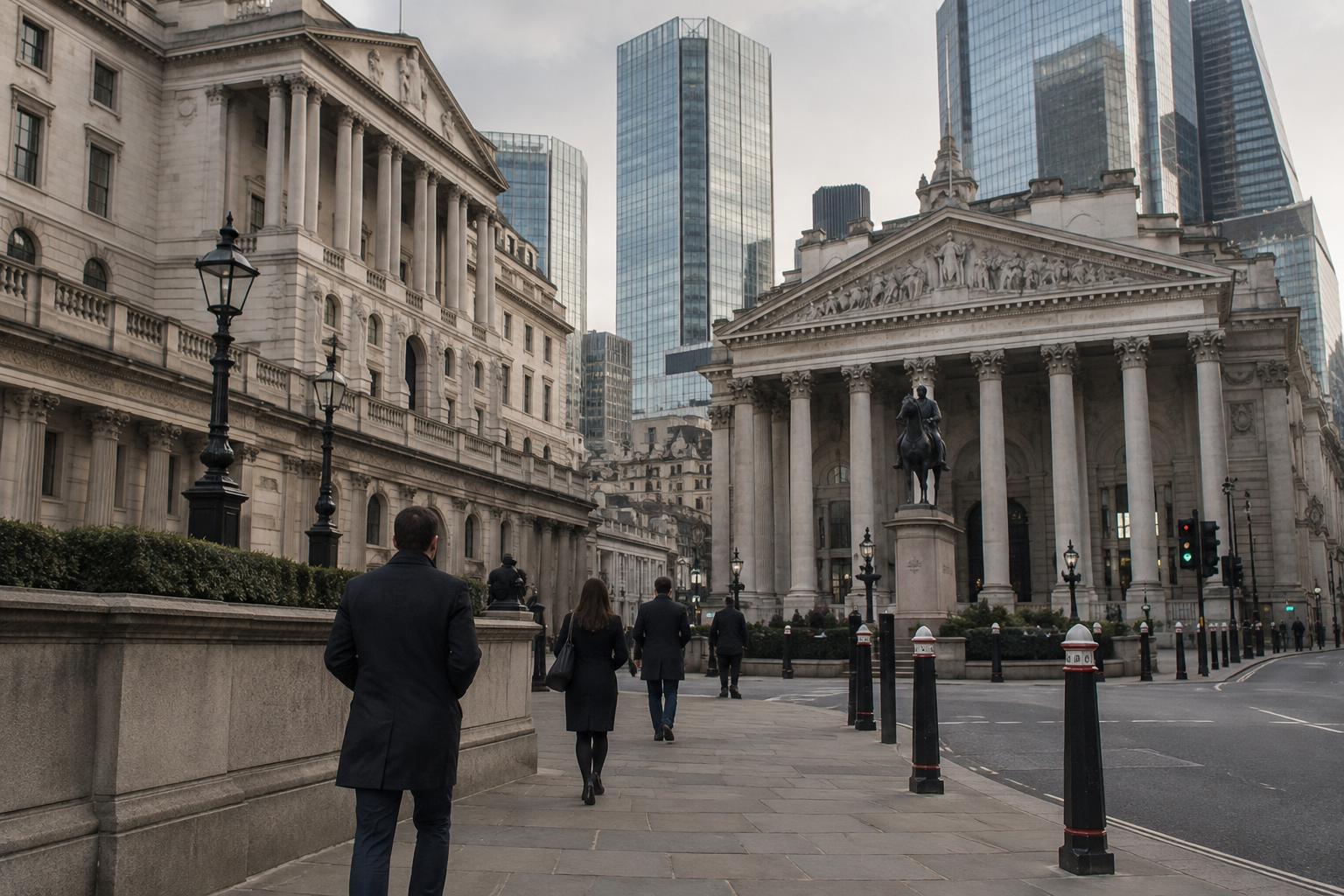
Bank of England rate bets lift UK gilt yields above 5%
Two-year government bond yields pass 5% as traders price in further rate rises, increasing pressure on the Treasury’s borrowing bill.
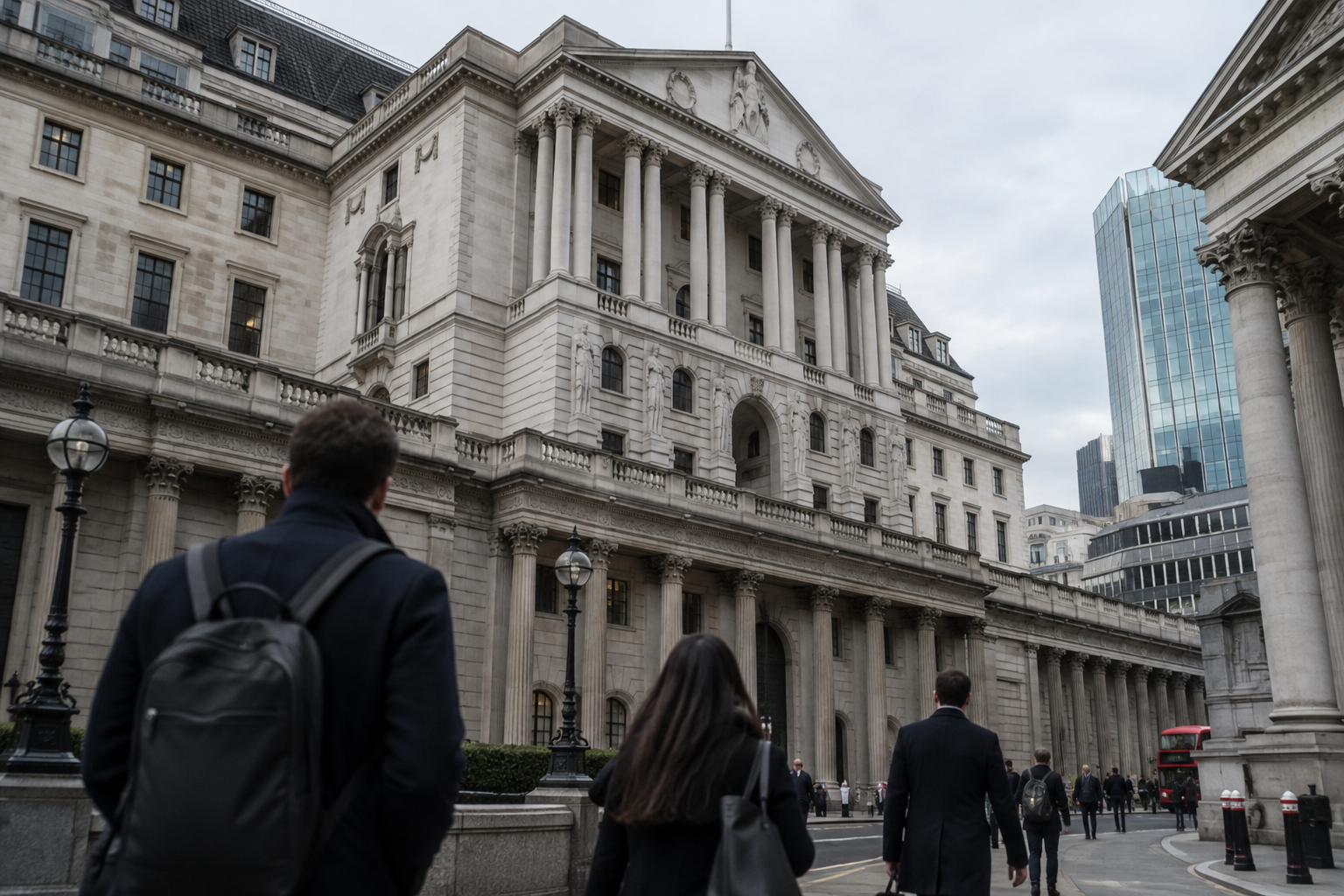
Bank of England urged to raise rates to 5% over inflation fears
Niesr warns inflation could remain above target until 2030, with higher rates also threatening growth and the government's spending plans.
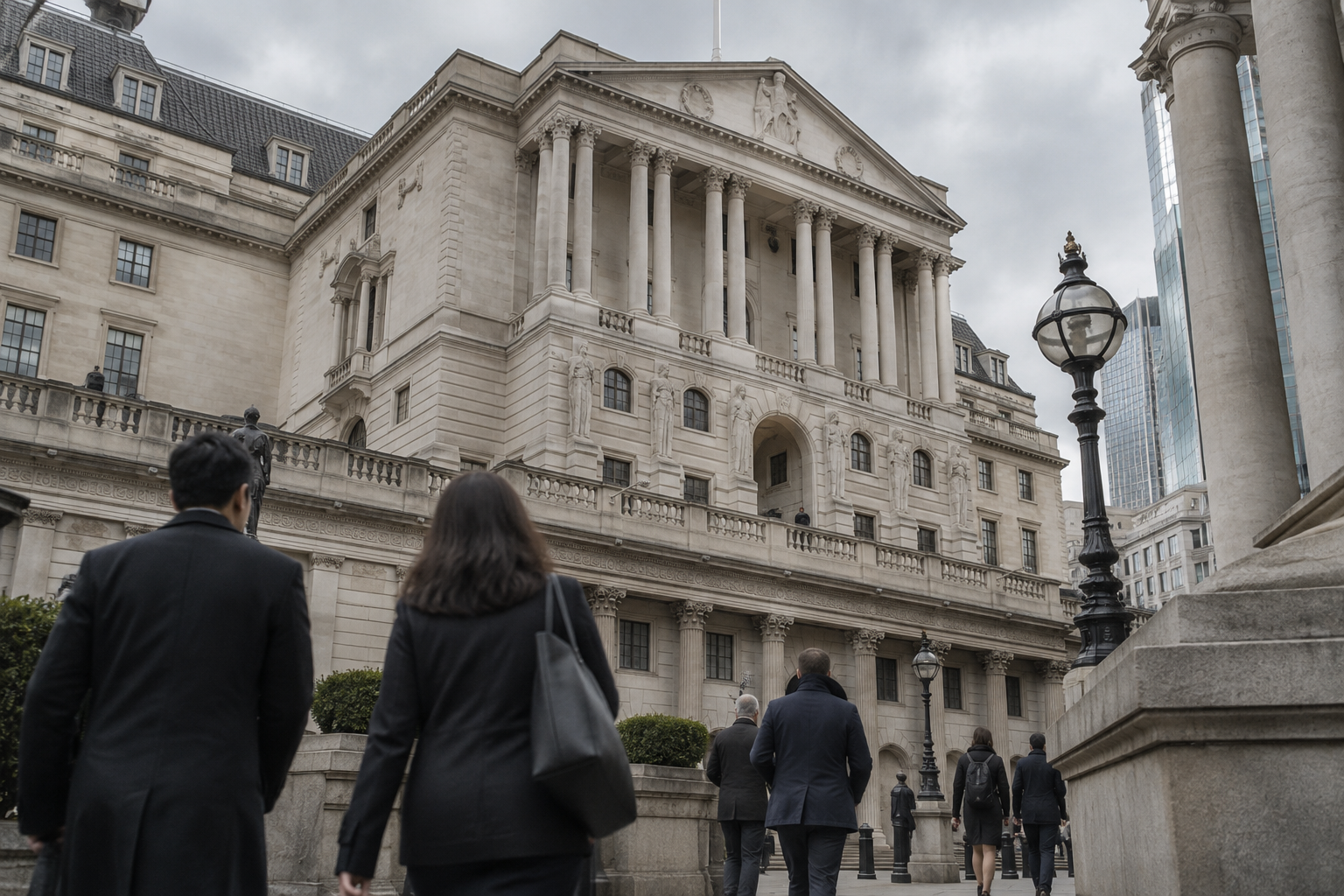
Bank of England raises rates to 4% as inflation risks grow
All rate-setters backed tighter policy as the Bank forecast inflation of 4.9% next year and warned that another increase could follow.

UK inflation rises to 3.5% as November rate rise looms
September inflation exceeded forecasts as diesel prices climbed, adding pressure ahead of the Budget and November’s interest rate decision.