Profitability
High street retailers face £1,000 annual energy bill rise
Cornwall Insight forecasts higher electricity costs despite falling wholesale prices, with fixed charges leaving smaller shops particularly exposed.

By Eleanor Whitcombe, Editor ·
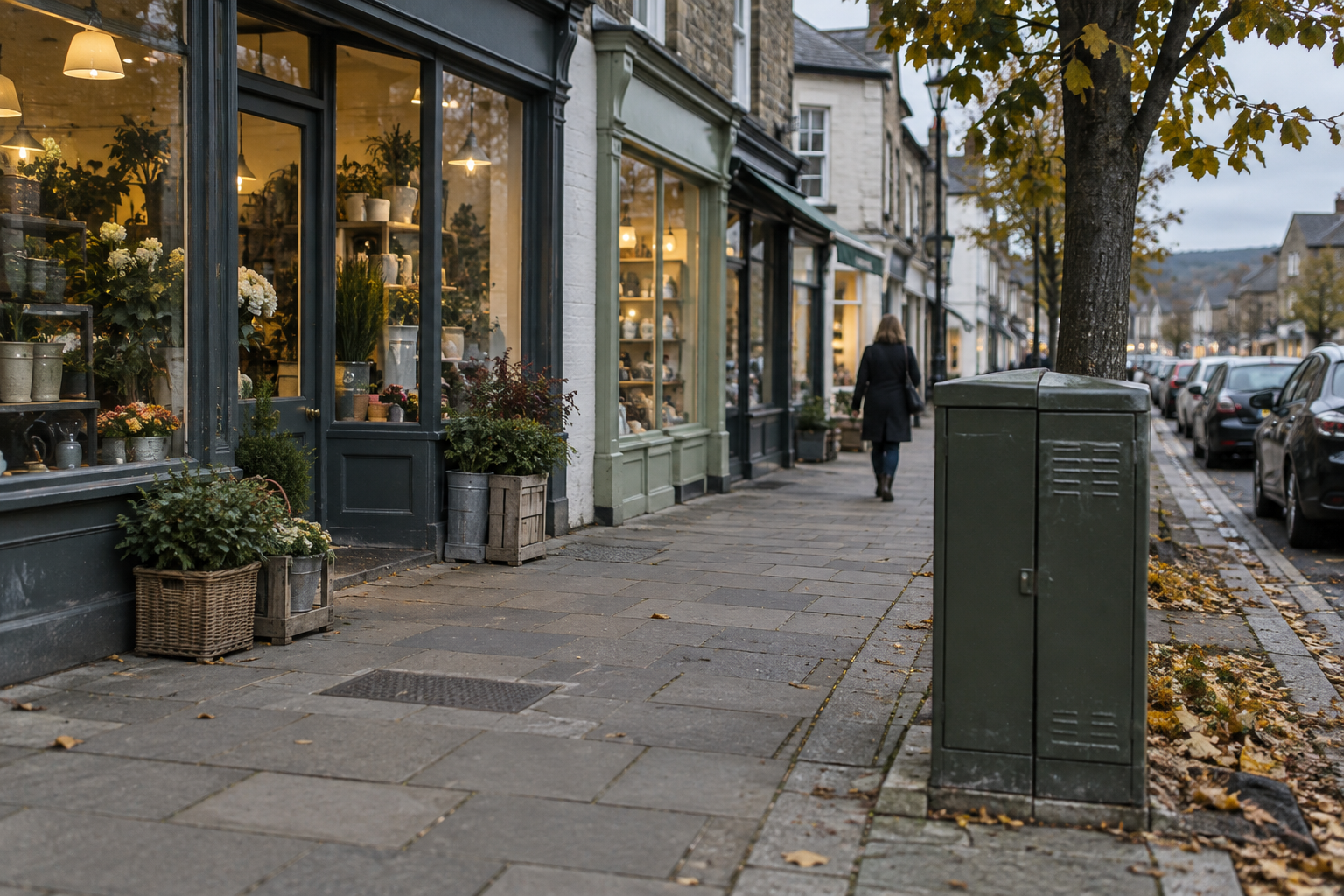
Small UK high street shops could see annual electricity bills increase by around £1,000 against 2026/27 levels, with Cornwall Insight forecasting an average 13% rise in business electricity costs by the end of the decade.
The forecast, reported by Retail Gazette, puts smaller retailers at risk of the largest percentage increases. It adds to operating pressures that include business rates and higher employment costs.
What happened
Cornwall Insight’s analysis points to a growing bill for electricity infrastructure and energy policy, even as wholesale energy prices are expected to decline. Investment in Britain’s power networks, renewable energy schemes and the Sizewell C nuclear project are among the main drivers.
The projected annual increases vary substantially by business size and electricity demand. At the upper end, large data centres could pay an additional £5.1m a year compared with the 2026/27 baseline.
For smaller shops, the way those costs are recovered is particularly important. A substantial share of the increase is expected to come through daily standing charges, which apply irrespective of electricity consumption.
That leaves retailers exposed to part of the increase even if they reduce usage. Lower consumption would not remove the fixed daily element of their bills.
The background
Earlier research from the British Retail Consortium, which has also called for lower hiring costs, put retailers’ electricity spending at £2.72bn in 2025. It expected that figure to reach £3.16bn in 2026, an increase of £440m, or 16%.
That forecast assumed broadly unchanged electricity consumption. The projected increase therefore reflected higher costs rather than retailers using substantially more power.
The consortium said network charges and government levies could already make up as much as two-thirds of retailers’ electricity bills. Its figures describe the retail sector’s near-term position, while Cornwall Insight’s 13% forecast covers UK businesses more broadly over a longer period.
The cost warning also comes against an uneven trading backdrop, with Dr Martens reporting a 21.3% fall in UK sales ahead of festive trading.
What people are saying
Jacob Briggs, an energy market expert at Cornwall Insight, cautioned that cheaper wholesale gas might not outweigh the additional costs feeding into business electricity bills. His assessment challenges the assumption that falling commodity prices will necessarily bring lower final bills.
The government rejected Cornwall Insight’s findings. It said it was working to cut energy costs, contain policy charges and make access to electricity networks easier.
What happens next
The government has pledged support to reduce business energy costs, including measures directed at manufacturers and energy-intensive industries. The scope of that support matters for smaller retailers that do not qualify for targeted relief.
The forecast raises concerns about the bills those businesses will face outside the targeted schemes. The reported government response did not set out a separate timetable or relief package for small high street shops.
Why this matters
For small retailers, the forecast makes fixed electricity charges an important part of longer-term budgeting alongside wages and business rates. Reducing consumption cannot eliminate standing charges, while cheaper wholesale energy may not translate into a lower total bill. Directors also face uncertainty over support: government measures target manufacturers and energy-intensive industries, leaving the position of smaller shops outside those schemes unresolved in the reported response.
Frequently asked questions
- How much could retail energy bills rise?
- Cornwall Insight estimates small high street shops could face around £1,000 in additional annual electricity costs compared with 2026/27. Across UK businesses, it forecasts an average increase of 13% by the end of the decade.
- Why are business electricity bills expected to rise?
- Cornwall Insight identifies network investment, renewable energy schemes and the Sizewell C nuclear project as key drivers. Higher network charges and government levies could outweigh expected reductions in wholesale energy prices.
- Why could small shops face the biggest percentage increases?
- A substantial part of the projected increase would come through fixed daily standing charges. These apply regardless of electricity consumption, leaving smaller shops particularly exposed.
- Will falling wholesale gas prices bring electricity bills down?
- Cornwall Insight’s Jacob Briggs warned that lower wholesale gas prices might not offset rising charges elsewhere on business electricity bills. Falling wholesale prices therefore do not necessarily mean lower final bills.
- How much were retailers expected to spend on electricity in 2026?
- British Retail Consortium research projected electricity spending of £3.16bn in 2026, up from £2.72bn in 2025. That represents a £440m increase, or 16%, despite broadly unchanged consumption.
- What has the government said about the energy forecast?
- The government disputed Cornwall Insight’s findings. It said it was taking action to reduce energy costs, control policy charges and improve access to electricity networks.
- Will small retailers qualify for energy bill support?
- The government has pledged measures aimed at manufacturers and energy-intensive industries. The forecast raises concerns about smaller businesses outside those targeted schemes; the reported response did not specify a separate package for small retailers.
In this story
Follow-up coverage
- Profitability
Small business energy costs top winter concerns for 92%
- Business Sales & Exits
TGJones put up for sale after £42m WH Smith deal
- Economic Changes Affecting SMEs
UK inflation reaches 3.6% as Bank weighs another rate rise
- Interest Rates
Bank of England faces December rate rise pressure as jobs grow
- Economic Changes Affecting SMEs
Ikea shelves UK projects as costs threaten further expansion
Topics: retail energy bills · small business electricity costs · Cornwall Insight electricity forecast · high street shop energy costs · business electricity standing charges · retailer energy bill support · All Profitability news →
Original reporting: Retail Gazette. This article is an independent write-up by British Business Echo.
Latest from the newsdesk
- E-commerce
Meta launches Muse shopping agent with major UK retailers
- Funding & Business Finance
British Business Bank takes £43m Oxford Science Enterprises stake
- Business Mistakes / Lessons Learned
Next business data accessed in supplier cyberattack
- Business Growth
UK pork producers secure Vietnam access and Philippines deal
- Business Regulation
HSE tools help small firms check health and safety duties
Related stories

Dr Martens UK sales fall 21.3% as festive trading looms
Half-year revenue falls to £290.4m, with Black Friday, Christmas and January trading set to determine Dr Martens’ full-year performance.

UK retailers face 70% of thefts from 10% of shoplifters
Research points to a small group of persistent offenders as retailers seek better evidence-sharing and stronger protection for shopworkers.

SAI data shows Halloween retail theft rose 163%
Partial payment accounted for most recorded incidents, while SAI forecasts a further rise in theft on the final Saturday before Christmas.

Andrew Bailey warns energy costs are squeezing business margins
The Bank of England governor says firms are absorbing higher energy costs, but warns their ability to protect customers from price rises is weakening.