Profitability
Andrew Bailey warns energy costs are squeezing business margins
The Bank of England governor says firms are absorbing higher energy costs, but warns their ability to protect customers from price rises is weakening.

By Eleanor Whitcombe, Editor ·

Bank of England governor Andrew Bailey has warned that businesses are sacrificing profit margins and cutting costs to avoid passing higher energy bills to customers, as pressure builds ahead of November’s interest rate decision.
Speaking at an International Monetary Fund event in Bangkok, Bailey said prolonged energy price pressures would make that approach increasingly difficult. His comments were reported by City AM.
What happened
International oil and gas prices have climbed over the past fortnight as conflict in the Middle East continues. Businesses are trying to absorb the increase rather than raise the prices of their own goods and services.
Bailey’s discussions with firms point to two responses: accepting lower margins and finding savings elsewhere in their operations. However, the room for further reductions is shrinking, leaving companies with fewer ways to offset higher bills.
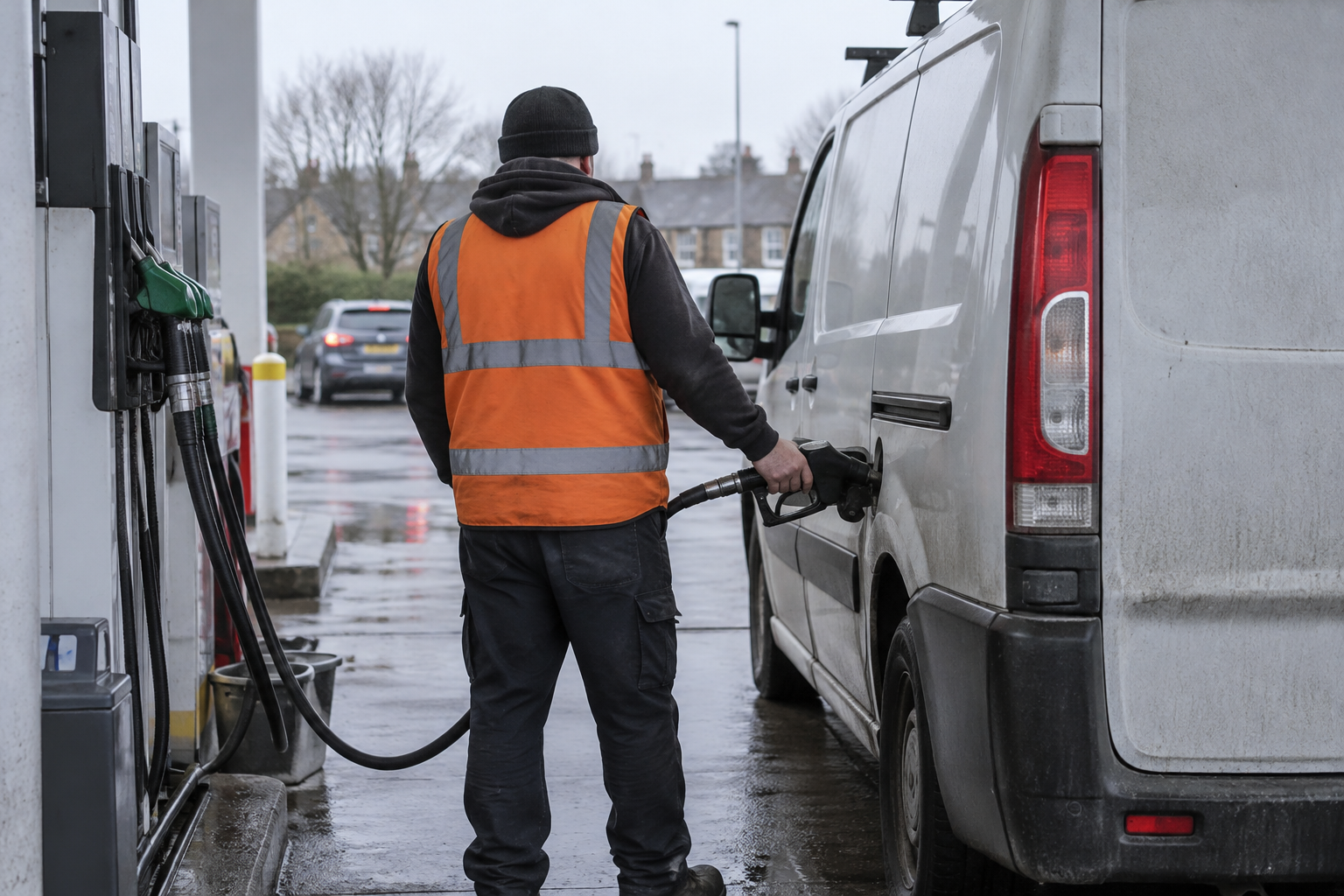
The pressure extends beyond energy purchased directly for premises and production. A separate MoneySuperMarket assessment puts the annual rise in van fuel costs at £671, illustrating another cost facing businesses that rely on vehicles.
The background
The Bank’s nine-member Monetary Policy Committee is due to decide whether to increase interest rates in the first week of November, days after the Chancellor’s maiden Budget. Committee members have signalled growing concern that business costs could feed through into consumer prices.
At its previous meeting, the committee voted 6–3 to leave the base rate at 3.75%. Its main forecast puts inflation above 4% in the opening months of 2027.
Households also face a further energy bill increase. Prices are expected to rise by at least 16% in January from the October level, taking Ofgem’s annualised price cap to just below £2,000.
Energy is not the only pressure on firms’ capacity to absorb costs. Separate reporting on hospitality’s tax burden of 82p for every £1 of profit highlights the competing demands on earnings in that sector.
What people are saying
Bailey described businesses as “clearly squeezing margins as well as cost cutting”. His warning was about the duration of the squeeze: the longer elevated energy costs persist, the harder it becomes to shield customers.
The search for savings places operating expenses under scrutiny, a subject covered in Companeo’s guide to cutting business overhead costs. Bailey’s account nevertheless suggests that firms cannot rely indefinitely on finding further efficiencies.
Megan Greene, who voted to raise the Bank rate to 4%, has indicated that stronger economic growth could strengthen the case for tighter monetary policy. Her concern centres on greater pressure on activity and pricing across the economy.
Bailey said higher interest rates had already restrained household income and demand, helping to bring inflation under control. Although GDP had outperformed expectations, including those of the Bank’s economists, he judged growth insufficient for the economy’s needs.
What happens next
November’s decision will test how policymakers balance stronger-than-expected activity against the demand restraint Bailey described. The timing places the rate announcement shortly after the Budget, with the expected January energy increase and the Bank’s early-2027 inflation forecast still ahead.
Why this matters
For UK business owners and directors, Bailey’s comments identify a difficult pricing choice: protect customers by accepting lower profits, or risk passing higher costs into a market where interest rates have restrained demand. Shrinking scope for savings makes prolonged energy pressure harder to manage. The November rate decision also matters for financial planning, while the expected January household energy increase adds another pressure on customers’ budgets.
Frequently asked questions
- What did Andrew Bailey say about business energy costs?
- Andrew Bailey said businesses are absorbing higher energy costs through lower profit margins and cost savings rather than immediately raising customer prices. He warned that this becomes harder the longer energy pressures persist.
- Why are businesses trying not to raise prices?
- Bailey said firms had emphasised the difficulty of passing higher costs to customers. They are instead reducing other expenses and accepting lower margins, although opportunities for further savings are narrowing.
- When is the next Bank of England interest rate decision?
- The Monetary Policy Committee is due to decide whether to raise rates in the first week of November, days after the Chancellor’s maiden Budget.
- What interest rate did the Bank of England last set?
- The committee voted 6–3 to keep the base rate at 3.75%. Megan Greene supported an increase to 4%.
- How much could household energy bills rise in January?
- Household energy prices are expected to increase by at least 16% from the October level, taking Ofgem’s annualised price cap to just below £2,000.
- What is the Bank of England inflation forecast for 2027?
- The Bank’s main forecast suggests inflation will exceed 4% in the first few months of 2027. Policymakers are concerned about business costs feeding into consumer goods and services prices.
In this story
Topics: Andrew Bailey energy costs · business profit margins · Bank of England interest rates · November interest rate decision · UK inflation forecast 2027 · January energy price cap · All Profitability news →
Original reporting: City AM. This article is an independent write-up by British Business Echo.
Latest from the newsdesk
- Commercial Property
Sciontec targets May 2027 start for Liverpool’s Hemisphere One
- Business Regulation
Microsoft faces CMA market status proposal over business software
- Funding & Business Finance
Connexin secures up to £35m for UK smart water meter rollout
- Recruitment & Employment
UKHospitality backs 100,000 youth jobs as small venues face costs
- Funding & Business Finance
British Business Bank commits £180m to six AI funds
Related stories

UK economy grows 0.1% in August as production beats forecasts
Production growth offsets weaker construction and flat services, but economists warn of pressure on households ahead of the Budget.

UK economy forecast to shrink 0.1% ahead of Budget
Economists expect August GDP to reverse some summer gains, with inflation, unemployment and Budget uncertainty threatening the outlook.
MoneySuperMarket puts annual van fuel cost rise at £671
UK van drivers face an extra £2.5bn diesel bill in 2026 as transport bodies seek fuel duty relief ahead of the October Budget.

Companeo guide sets out ways to cut business overhead costs
Guidance puts energy contracts, supplier charges and product margins at the centre of small firms’ efforts to control overheads.