Economic Changes Affecting SMEs
Ikea shelves UK projects as costs threaten further expansion
The furniture retailer could direct investment to lower-tax European markets after shelving British projects amid rising costs.

By Eleanor Whitcombe, Editor ·
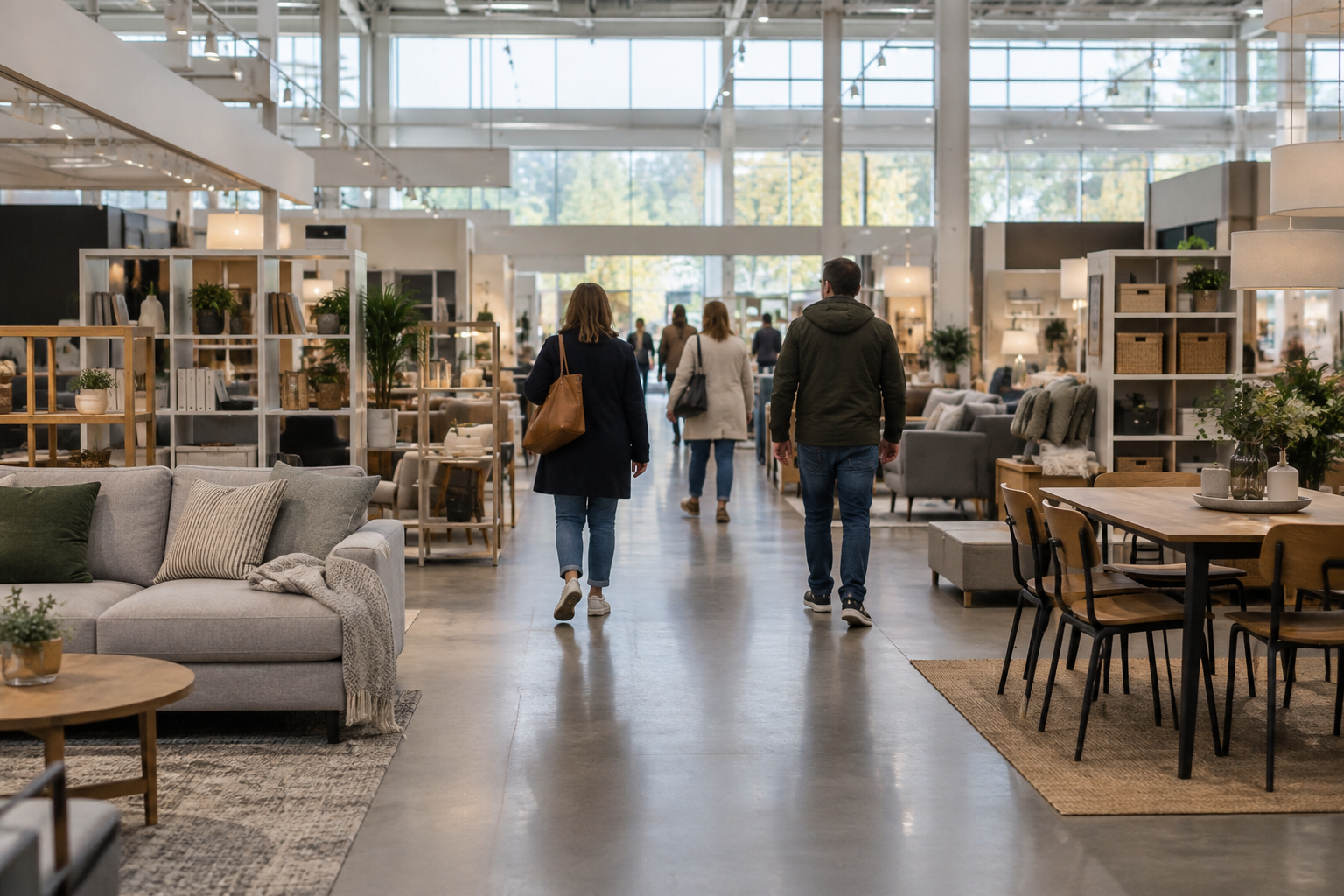
Ikea has shelved planned investment projects in Britain because of rising retail costs, with UK and Ireland chief executive David McCabe warning that further expansion could become harder to justify. The retailer has not specified the value or locations of the abandoned schemes.
McCabe said the Swedish furniture group could instead commit funds to European countries with lower taxes if British projects could not meet its investment requirements, as reported by City AM.
What happened
The cancellations come as Ikea faces a property tax burden that McCabe said exceeds the equivalent charge in every other European country where the company operates. Its large stores leave it particularly exposed to business rates.
McCabe said his team would continue looking for ways to support investment and expansion in Britain, but that making commercially sustainable proposals was becoming more difficult. His warning concerns the destination of future spending rather than an announced withdrawal from the UK.
Property tax is one of several pressures on retailers’ operating budgets. Separately, high street businesses face an estimated £1,000 annual increase in energy bills, adding another cost consideration for businesses assessing their premises.
The background
Ikea has been developing smaller city-centre shops, including a store on London’s Oxford Street, to bring its products closer to high street shoppers. The shift towards more compact premises has also been driven by the growing business rates burden.
Figures from the British Retail Consortium show the sector accounts for 20% of business rates receipts while representing 5% of the UK economy. That imbalance underpins retailers’ concerns about the cost of maintaining physical shops.
Ikea’s annual UK sales rose 0.5% to £2.26bn, despite a 7% increase in store visits. The figures show that the growth in customer traffic was not matched by a comparable rise in takings.
The wider trading backdrop remains subdued for larger purchases. A separate BRC-KPMG report recorded retail sales growth of 1.5% as shoppers delayed big purchases.
Against that backdrop, Ikea has also committed money to lowering prices. In August, it spent £54m cutting prices across 425 products by an average of 20%, with the Billy bookcase and Hemnes sofa among the items included.
What people are saying
McCabe criticised the preceding month’s Budget for failing to provide the support retailers had sought. He wanted measures addressing both elevated costs and the complexity of operating in the UK, and urged the Prime Minister and government to work with the sector.
Although the government presented the Budget as freezing business rates bills for high street firms, industry leaders said the tax would still rise with inflation. They put the additional sector-wide cost at £250m in the following year.
The debate extends beyond property costs: the British Retail Consortium has also called for lower hiring costs to support young workers. That is a separate strand of retailers’ demands for government action on operating expenses.
McCabe also linked Ikea’s pricing decisions to household finances. He said pressure on customers’ living costs increased the retailer’s responsibility to keep its products affordable, and expressed satisfaction that sales had grown during a difficult trading year.
What happens next
Ikea is introducing further price reductions across 1,000 products in the run-up to Christmas. The programme extends its efforts to make furniture and household goods more accessible while the business faces higher costs of its own.
McCabe remains positive about Britain and said the company would consider reviving some shelved projects. However, he made that conditional on the government providing a more sustainable cost environment and incentives for businesses to grow in the UK.
Why this matters
Ikea’s decision shows how property costs can affect investment even when sales and customer visits are growing. For UK business owners and directors, the practical issue is whether additional premises can generate sufficient returns after operating costs. Retail’s 20% share of business rates receipts, against its 5% contribution to the economy, gives that concern a wider relevance. Ikea’s ability to consider other European markets also highlights the competition Britain faces for expansion spending.
Frequently asked questions
- Why has Ikea cancelled UK investment projects?
- Ikea attributes the cancellations to rising retail costs. UK and Ireland chief executive David McCabe said its British business rates bill is higher than the equivalent property tax in any other European country where it operates.
- Which Ikea UK projects have been shelved?
- Ikea has not specified the locations, number or investment value of the abandoned projects.
- Could Ikea invest outside the UK instead?
- David McCabe said Ikea could direct investment to other European countries if it cannot make a sustainable financial case for British projects.
- Are Ikea UK sales growing?
- Ikea’s annual UK sales rose 0.5% to £2.26bn. Store visits increased 7%, substantially outpacing the growth in takings.
- Is Ikea cutting prices in the UK?
- Ikea spent £54m cutting prices on 425 products by an average of 20% in August. It is introducing further reductions across 1,000 products before Christmas.
- Will Ikea restart its shelved UK projects?
- David McCabe said Ikea would consider revisiting some projects, but that doing so would require a more sustainable cost environment and government incentives to support UK growth.
In this story
Follow-up coverage
Topics: Ikea UK investment · Ikea cancelled UK projects · Ikea business rates · Ikea UK expansion · Ikea price cuts · UK retail costs · All Economic Changes Affecting SMEs news →
Original reporting: City AM. This article is an independent write-up by British Business Echo.
Latest from the newsdesk
- E-commerce
Meta launches Muse shopping agent with major UK retailers
- Funding & Business Finance
British Business Bank takes £43m Oxford Science Enterprises stake
- Business Mistakes / Lessons Learned
Next business data accessed in supplier cyberattack
- Business Growth
UK pork producers secure Vietnam access and Philippines deal
- Business Regulation
HSE tools help small firms check health and safety duties
Related stories

UK retail sales rise 0.7% after government stockpiling push
Emergency food purchases helped lift October sales, but analysts warn the increase may not signal stronger demand before Christmas.
BRC consumer confidence falls as Gen Z finances weaken
Retailers call for lower youth employment costs as November polling shows weaker confidence in the economy and household finances.
UK inflation reaches 3.6% as Bank weighs another rate rise
October inflation reaches a one-year high, leaving the Bank of England to weigh energy pressures against a soft jobs market.
BRC-KPMG: UK retail sales rise 1.5% as big purchases wait
Food sales supported October growth, but furniture and white goods struggled as shoppers waited for November discounts.