Economic Changes Affecting SMEs
UK retail sales rise 0.7% after government stockpiling push
Emergency food purchases helped lift October sales, but analysts warn the increase may not signal stronger demand before Christmas.

By Eleanor Whitcombe, Editor ·
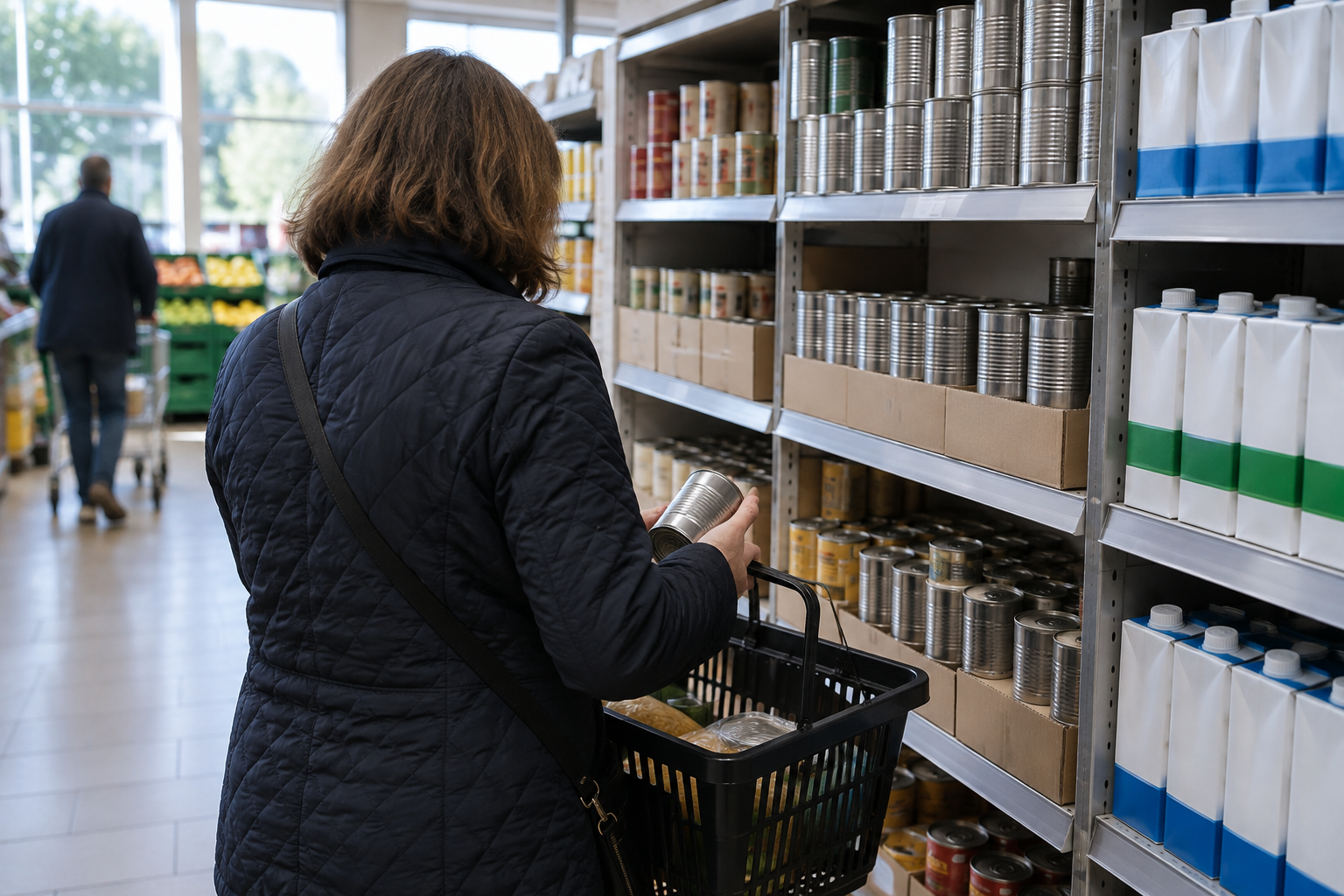
UK retail sales volumes increased by 0.7% in October, beating expectations of no growth as government advice to keep emergency supplies encouraged supermarket purchases.
The Office for National Statistics figures followed a 0.6% decline in September. Demand for long-life food helped drive the recovery, as reported by City AM, although analysts questioned whether the increase would last through the Christmas trading period.
What happened
The government launched its Be Ready campaign in October, advising households to keep enough tinned food and bottled water for three days. The guidance was intended to help people prepare for disruption caused by a cyber attack or extreme weather.
ONS analysts identified stronger supermarket demand for products including UHT milk and tinned food. Supermarkets reported increased spending on longer-lasting groceries after the advice, while tinned tuna producer Princes said in November that demand for its products had grown.
The improvement extended beyond food. Non-food sales volumes rose by 1.1%, outpacing the overall increase, with art galleries, sports equipment retailers and toy shops contributing to the growth.
In-store clothing sales also increased. According to the ONS, shoppers bought more items on each visit after stock availability problems at some large retailers had limited spending in September.
The official figures measure sales volumes rather than simply the amount spent at tills. They form part of the wider UK retail sales picture, with October's improvement spanning emergency groceries and several discretionary categories.
The background
Consumer sentiment improved after the sales period covered by the ONS release. GfK's confidence index rose by two points to -22 in November, recovering some ground after October's reading fell to its lowest level since Brexit.
However, both the confidence measure and GfK's purchasing indices remained substantially below zero. The November improvement therefore left consumer confidence weak rather than indicating a return to positive sentiment.
What people are saying
Sandra Prince, head of corporate consumer at Lloyds, said the increase could prove temporary but demonstrated how quickly households changed their purchasing behaviour when circumstances shifted.
She also reported that some retailers were reconsidering traditional seasonal stock planning. More frequent monthly adjustments were being used to respond to changing weather conditions, rather than relying solely on established seasonal buying patterns.
Rajeev Shaunak, head of consumer at consultancy MHA, took a more cautious view of the sales figures. He considered emergency stock purchases likely to provide a one-off lift that obscured the difficulties retailers faced before their crucial festive season.
Shaunak pointed to pressure on household budgets and weak confidence as constraints on spending beyond necessities. He also distinguished between shoppers responding to Black Friday discounts and a lasting improvement in demand, a distinction relevant to clothing and footwear retailers approaching festive trading.
GfK consumer insights director Neil Bellamy offered a more encouraging interpretation of November's confidence reading. He said the improvement should give manufacturers and retailers some reassurance that consumers remained willing to spend, while perceptions of the wider economy had also strengthened.
What happens next
Black Friday and Christmas are the next major trading periods identified by the analysts. Their assessments leave an important question for retailers: whether purchases extend beyond emergency supplies and discounted products.
Bellamy nevertheless warned that the continuing negative readings left confidence exposed to further economic pressure in the coming months. The November recovery offered relief, but not evidence that those risks had passed.
Timeline
September
UK retail sales volumes fell by 0.6%.
October
The government launched Be Ready, advising households to keep three days of emergency supplies.
October
Retail sales volumes rose 0.7%, while GfK confidence reached its lowest level since Brexit.
November
GfK's consumer confidence index improved by two points to -22.
Why this matters
For retail owners and suppliers, the distinction between emergency buying and sustained demand matters when planning stock and cash flow. October's 0.7% sales increase included purchases prompted by government advice, while consumer confidence remained negative in November. Businesses preparing for Black Friday and Christmas therefore face uncertainty over how much spending will continue beyond essentials and discounts. Lloyds also reported that some retailers were adjusting stock more frequently as weather conditions changed.
Frequently asked questions
- Why did UK retail sales rise in October?
- UK retail sales volumes rose 0.7%, helped by supermarket demand for emergency supplies following government preparedness advice. Non-food sales also increased, including purchases from art galleries, sports equipment retailers and toy shops.
- What is the government's Be Ready campaign?
- The Be Ready campaign launched in October advised households to keep three days of tinned food and bottled water to prepare for disruption such as a cyber attack or extreme weather.
- Which supermarket products saw stronger demand?
- The ONS highlighted UHT milk and tinned food. Supermarkets reported increased spending on long-life products, while tinned tuna producer Princes said demand for its goods had risen.
- Did clothing sales increase in October?
- In-store clothing sales increased as shoppers bought more items per visit. The ONS said stock availability problems at some large retailers had constrained spending in September.
- Did UK consumer confidence improve in November?
- GfK's consumer confidence index increased by two points to -22 in November. However, its confidence and purchasing measures remained deeply negative, leaving sentiment vulnerable to further economic pressure.
- Does the retail sales increase mean demand has recovered?
- Analysts were cautious. MHA's Rajeev Shaunak considered the stockpiling boost probably temporary and warned that discount-led Black Friday purchases would not necessarily demonstrate a lasting recovery in demand.
In this story
Topics: UK retail sales · October retail sales · government stockpiling advice · Be Ready campaign · ONS retail sales figures · GfK consumer confidence · supermarket emergency supplies · All Economic Changes Affecting SMEs news →
Original reporting: City AM. This article is an independent write-up by British Business Echo.
Latest from the newsdesk
- E-commerce
Meta launches Muse shopping agent with major UK retailers
- Funding & Business Finance
British Business Bank takes £43m Oxford Science Enterprises stake
- Business Mistakes / Lessons Learned
Next business data accessed in supplier cyberattack
- Business Growth
UK pork producers secure Vietnam access and Philippines deal
- Business Regulation
HSE tools help small firms check health and safety duties
Related stories
BRC-KPMG: UK retail sales rise 1.5% as big purchases wait
Food sales supported October growth, but furniture and white goods struggled as shoppers waited for November discounts.
Supermarkets caught off guard by Be Ready campaign
Retailers question government preparations for emergency supplies advice, while remaining confident they can meet demand for essentials.
UK retail sales fall 0.4% as Budget uncertainty weighs
September’s decline exceeded forecasts as households cut discretionary spending and retailers pressed for relief on business rates and employment taxes.
BRC consumer confidence falls as Gen Z finances weaken
Retailers call for lower youth employment costs as November polling shows weaker confidence in the economy and household finances.