Economic Changes Affecting SMEs
UK retail sales fall 0.4% as Budget uncertainty weighs
September’s decline exceeded forecasts as households cut discretionary spending and retailers pressed for relief on business rates and employment taxes.

By Eleanor Whitcombe, Editor ·

UK retail sales fell 0.4% in September, a sharper decline than economists expected, as shops faced weaker demand ahead of Chancellor John Healey’s Budget on 28 October.
The Office for National Statistics figures compared with a forecast fall of 0.1%, as reported by City AM. Separate research from GfK showed consumer confidence dropping 11 points to -24 in September, its steepest deterioration since the 2016 Brexit vote.
What happened
Non-food shops and online retail were behind the September decline, with online sales volumes down 0.4%. Businesses reported that customers were reducing non-essential purchases, leaving retailers with both fewer visitors and lower sales.
Automotive fuel was the only major retail sector to record volume growth during the month. That increase came despite higher pump prices, putting fuel purchases at odds with the wider retreat in spending. The impact of rising fuel costs on household expenditure has also featured in Barclays’ spending reporting.
The background
September’s setback followed a stronger August than initially estimated. The ONS revised August’s retail sales growth from 0.5% to 0.7%, making the latest figures a reversal after an improved summer performance.
Fears about inflation and higher interest rates have added to the pressure on consumer sentiment. The British Retail Consortium’s call for tax relief as confidence falls reflects the industry’s concern about its ability to stimulate demand before the Budget.
Fuel costs have faced a separate squeeze following the rise in oil prices driven by the US-Iran war. Average UK diesel prices reached a record £2.01 a litre in early October, extending the pressure beyond the period covered by the September retail figures.
What people are saying
Paul Dales, chief UK economist at Capital Economics, said the combination of weaker confidence and falling retail sales pointed to more difficult conditions for households as retailers approached the festive trading period.
Retail businesses argue that they have little scope left to encourage spending without tax reductions. Their requests include keeping high street shops outside the highest business rates multiplier and reversing recent increases in employer national insurance contributions.
Thierry Garnier, chief executive of B&Q owner Kingfisher, has linked the company’s provision of work experience for young people to the Budget’s outcome. His position brings opportunities for young people into the debate alongside retailers’ operating costs and customer demand.
What happens next
Healey’s maiden Budget on 28 October is the next scheduled decision point for retailers seeking changes to their tax burden. Marks & Spencer and John Lewis have also pressed for Budget tax relief, adding to the industry representations ahead of the announcement.
Pressure on fuel prices is expected to persist into the final quarter. Retailers therefore approach Christmas with households facing continued transport costs as well as the confidence concerns highlighted by the latest surveys.
Timeline
August
Retail sales grew 0.7%, following an upward revision from 0.5%.
September
Retail sales fell 0.4% and GfK consumer confidence dropped 11 points.
Early October
Average UK diesel prices reached a record £2.01 a litre.
28 October
Chancellor John Healey is scheduled to deliver his maiden Budget.
Why this matters
For retail owners and directors, the September figures raise questions about stock and staffing commitments ahead of Christmas. Customers are cutting non-essential purchases while fuel costs remain under pressure, leaving discretionary retailers exposed to weaker demand. The 28 October Budget also carries implications for operating costs: the industry is seeking changes to business rates and employer national insurance, while Kingfisher has linked work experience provision to the Chancellor’s decisions.
Frequently asked questions
- How much did UK retail sales fall in September?
- UK retail sales fell 0.4% in September, according to the Office for National Statistics. Economists had expected a smaller decline of 0.1%.
- Why did UK retail sales fall?
- Weakness in non-food shops and online spending drove the decline. Retailers reported lower footfall and sales as customers reduced purchases of non-essential goods.
- What happened to UK consumer confidence?
- GfK’s consumer confidence index fell 11 points to -24 in September. It was the largest decline since the Brexit vote in 2016.
- Were August retail sales revised?
- The ONS revised August’s retail sales growth upwards to 0.7%, from its previous estimate of 0.5%. September’s fall followed that stronger monthly performance.
- What tax changes do retailers want in the Budget?
- Retailers want high street shops excluded from the highest business rates multiplier and recent increases in employer national insurance contributions reversed.
- When is John Healey’s Budget?
- Chancellor John Healey’s maiden Budget is scheduled for 28 October. Retailers are seeking tax relief ahead of the announcement.
- Which retail sector grew in September?
- Automotive fuel was the only major retail sector to register volume growth, despite rising pump prices. Average UK diesel prices subsequently reached a record £2.01 a litre in early October.
In this story
Follow-up coverage
Topics: UK retail sales · September retail sales · ONS retail sales figures · GfK consumer confidence · October Budget retail tax relief · retail business rates · UK diesel prices · All Economic Changes Affecting SMEs news →
Original reporting: City AM. This article is an independent write-up by British Business Echo.
Latest from the newsdesk
- E-commerce
Meta launches Muse shopping agent with major UK retailers
- Funding & Business Finance
British Business Bank takes £43m Oxford Science Enterprises stake
- Business Mistakes / Lessons Learned
Next business data accessed in supplier cyberattack
- Business Growth
UK pork producers secure Vietnam access and Philippines deal
- Business Regulation
HSE tools help small firms check health and safety duties
Related stories
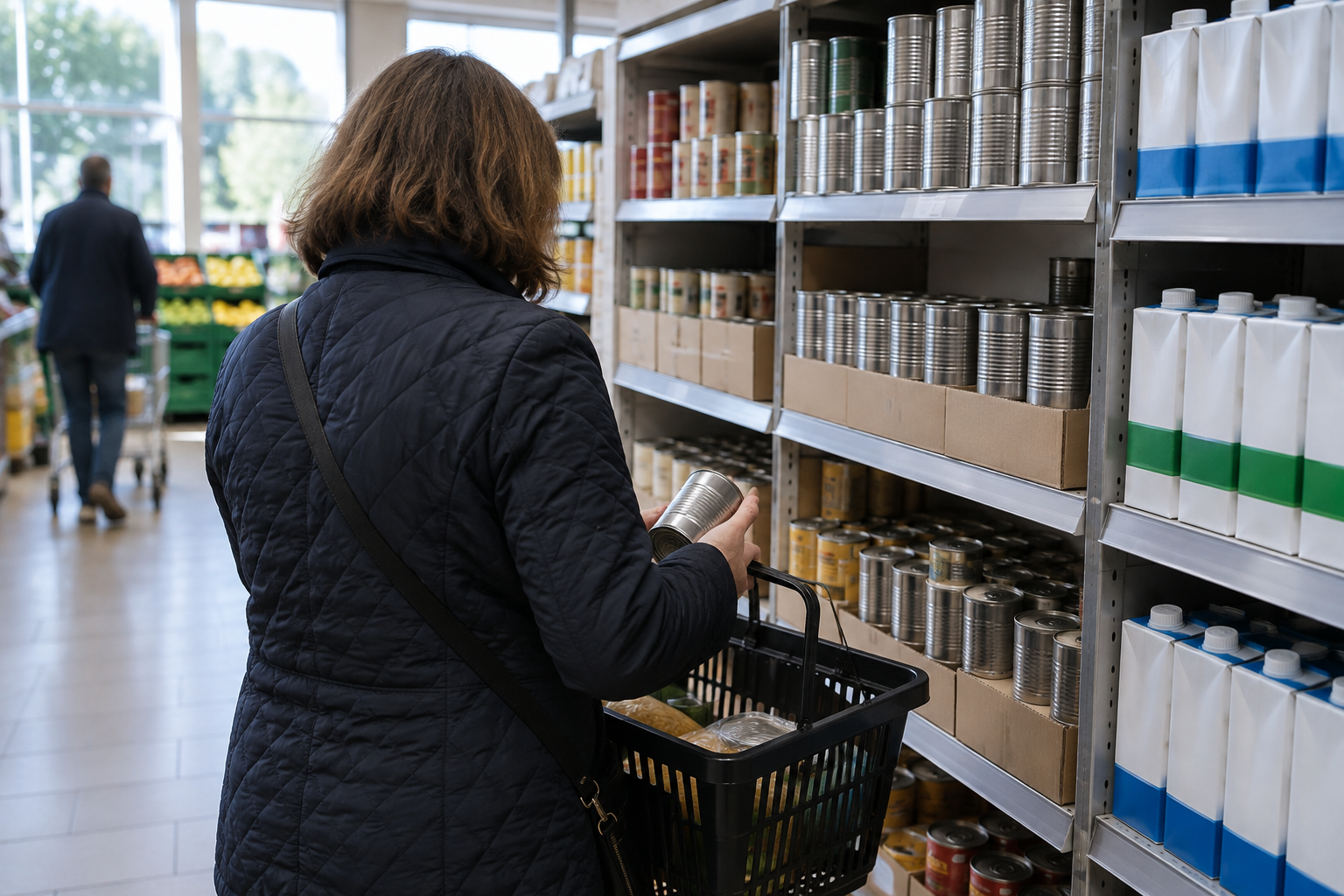
UK retail sales rise 0.7% after government stockpiling push
Emergency food purchases helped lift October sales, but analysts warn the increase may not signal stronger demand before Christmas.
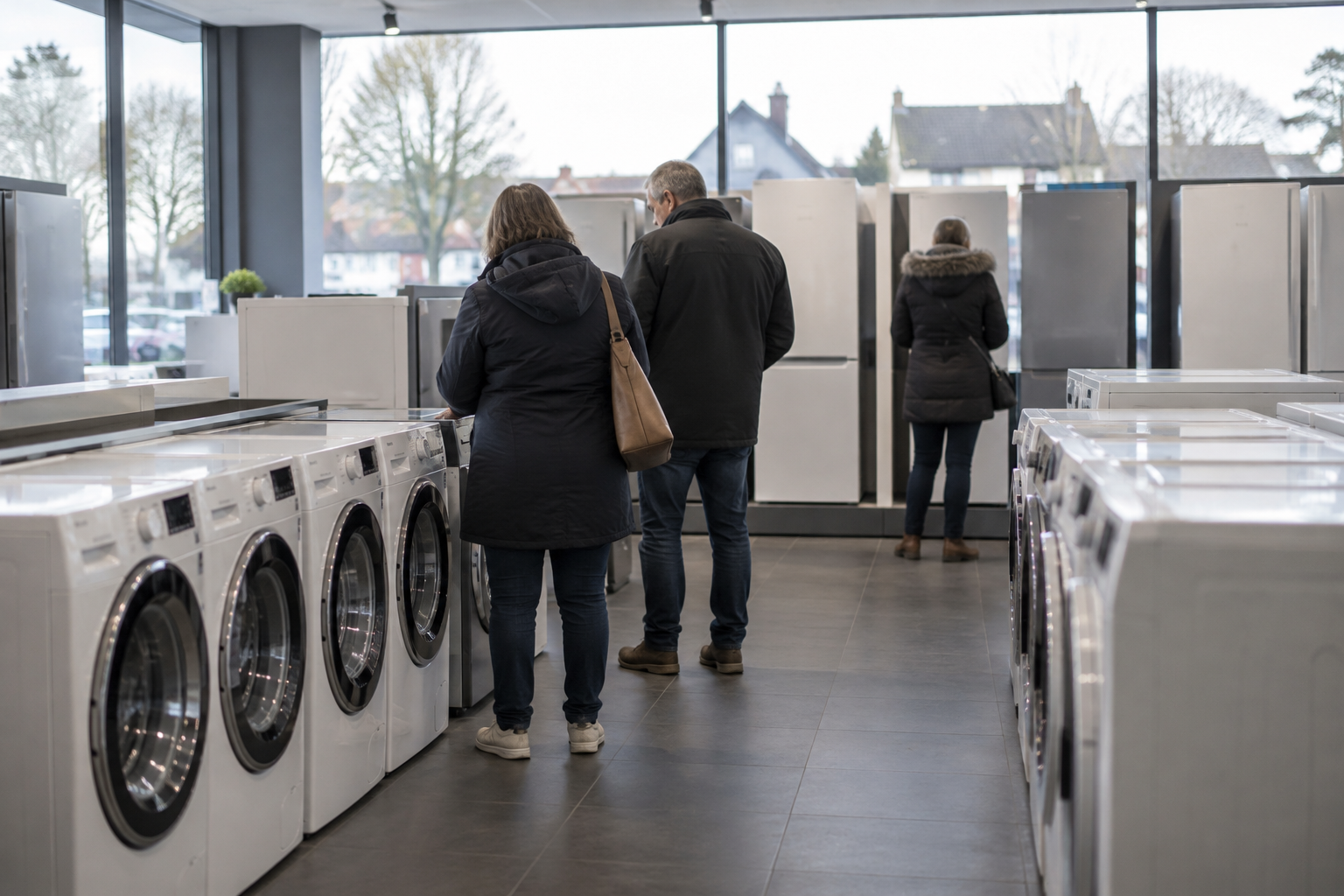
BRC-KPMG: UK retail sales rise 1.5% as big purchases wait
Food sales supported October growth, but furniture and white goods struggled as shoppers waited for November discounts.
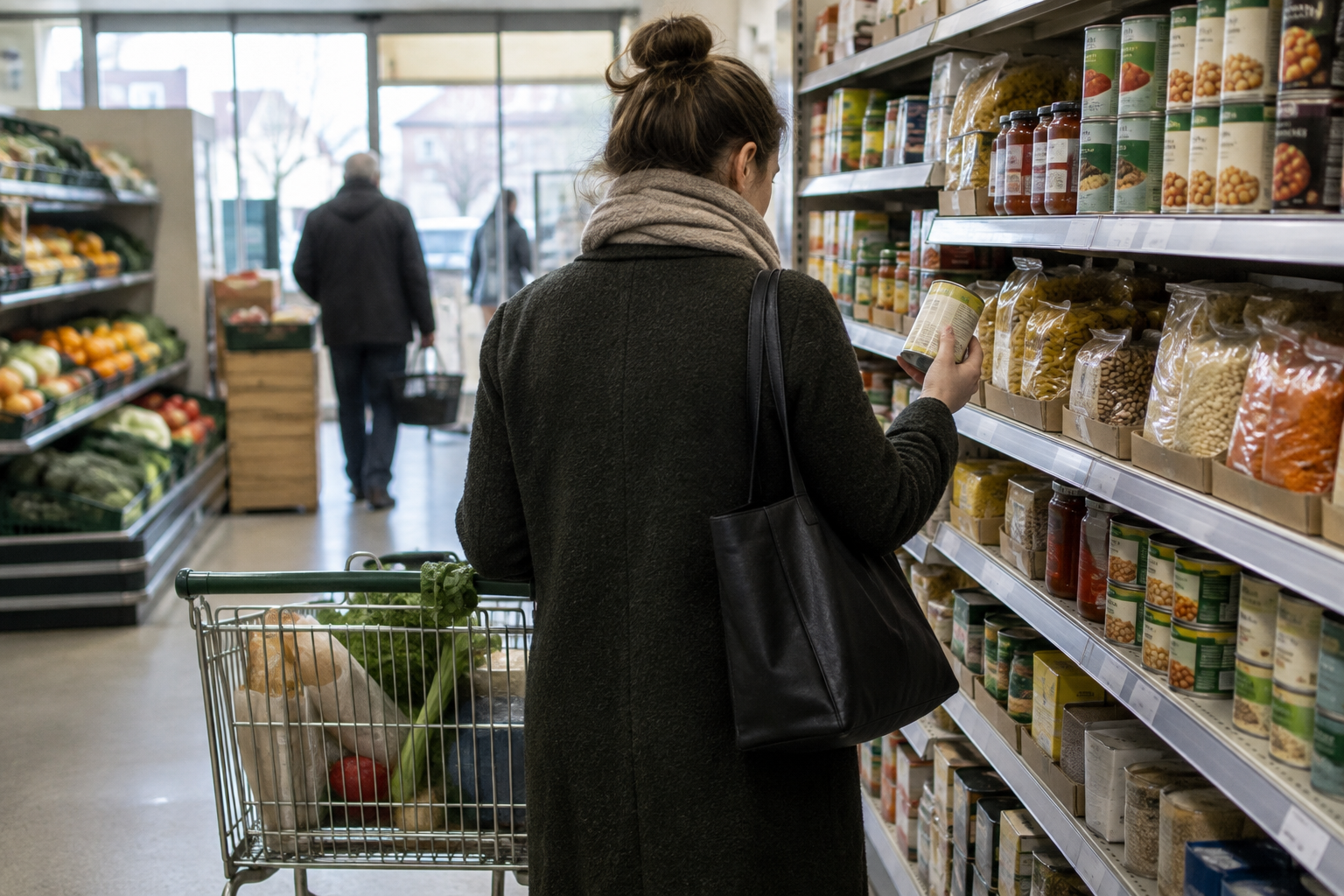
BRC urges Healey tax relief as consumer confidence falls
Retailers seek relief from employment taxes and business rates as households grow more pessimistic about the economy and their finances.
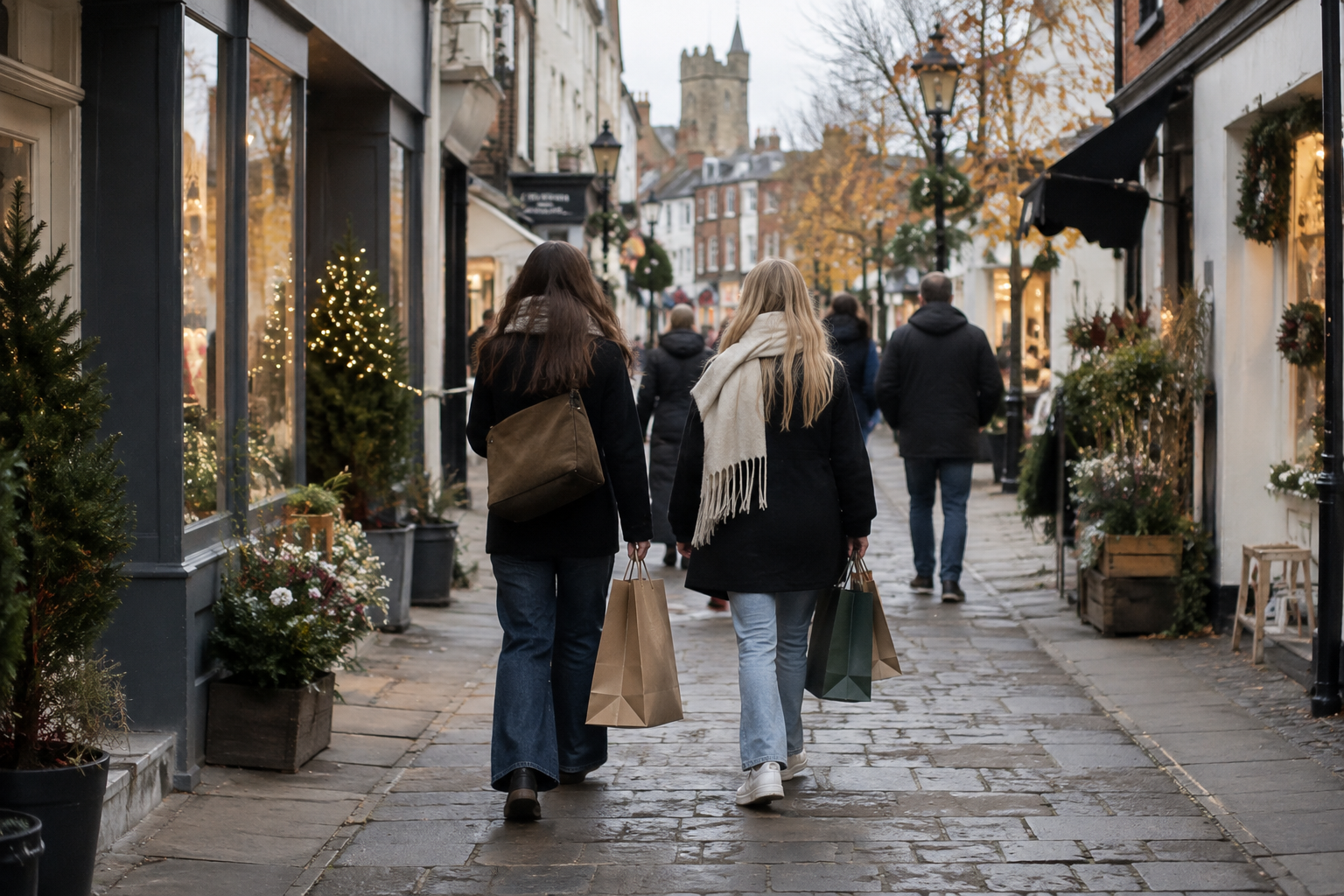
BRC consumer confidence falls as Gen Z finances weaken
Retailers call for lower youth employment costs as November polling shows weaker confidence in the economy and household finances.