Economic Changes Affecting SMEs
RMT plans eight days of Tube strikes over four-day week
Drivers plan 24-hour walkouts between November and February in a dispute over Transport for London’s voluntary four-day working week.

By Eleanor Whitcombe, Editor ·
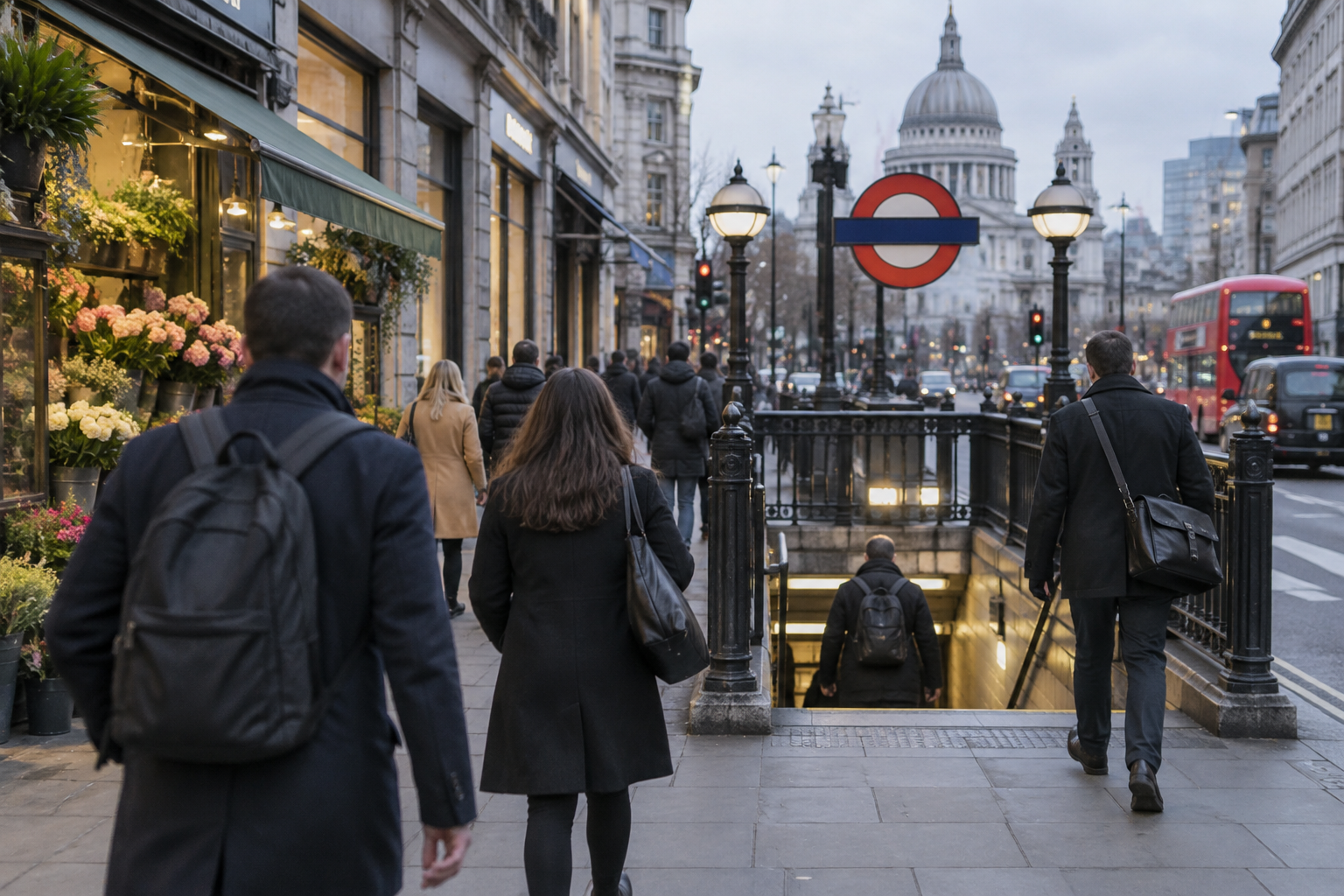
RMT has announced eight days of London Underground strikes between November and February, with the first walkout scheduled for Thursday 26 November over proposed changes to drivers’ working patterns.
The dispute concerns Transport for London’s plans to let drivers choose a four-day working week, which the union argues would undermine existing employment protections.
What happened
The industrial action will take the form of rolling 24-hour stoppages, as reported by City AM. The announcement covers drivers represented by the National Union of Rail, Maritime and Transport Workers.
Under TfL’s proposed arrangements, drivers could opt to work four days rather than five. RMT argues that compressing the working week would produce longer shifts, with earlier starts, later finishes and changes to rosters at short notice.
For London businesses dependent on commuters reaching local high streets, the planned walkouts create a further risk to customer access alongside wider uncertainty over UK retail sales.
The background
The previous Tube strikes took place in June. Industrial action planned for May had been suspended following late talks with TfL, making those negotiations an earlier example of scheduled disruption being averted.
The unions have taken different positions on the working arrangements. ASLEF, the separate train drivers’ union, has accepted a deal offered by transport management.
Published staffing plans for the Bakerloo line have also contributed to concerns among some drivers that the changes could lead to hundreds of job losses. That is a fear raised in the dispute, rather than a confirmed redundancy programme.
The row comes as transport access to London’s shopping areas faces other changes, including plans to remove traffic from a 1km stretch of Oxford Street.
What people are saying
RMT chief Eddie Dempsey has asked London mayor Sir Sadiq Khan, who chairs TfL, to withdraw the proposals. Dempsey argues that presenting the arrangement as optional does not address its implications for drivers who remain on a five-day week.
He maintains that staff would lose protections under either working pattern and that drivers who reject the changes could face being moved from their depots.
Dempsey says the union supports a four-day week where it improves conditions for members, but opposes arrangements that could reduce staffing, increase workloads or weaken employment terms.
TfL and the mayor’s office had been approached for comment. No response from either was included in the report.
What happens next
The announced programme extends through February, although the report gives only the opening strike date, not the dates of the other seven stoppages. It also provides no line-by-line service forecast or timetable for further negotiations.
The effect on businesses will depend on how much service remains available during each walkout. For commuter-dependent retailers, high-street footfall will be a practical measure of whether travel disruption translates into fewer potential customers.
Timeline
May
Planned industrial action was suspended after late talks with TfL.
June
The previous Tube strikes took place.
26 November
RMT schedules the first of eight strike days extending through February.
Why this matters
Eight strike days spread across four months create recurring travel uncertainty for London businesses that rely on commuter trade. Owners and directors cannot yet assess the full exposure because the report provides neither the complete strike calendar nor expected service levels. The dispute also shows why the details of compressed working arrangements matter: RMT’s objections concern shift length, roster changes and employment protections, rather than simply the number of days worked.
Frequently asked questions
- When are the planned Tube strikes?
- RMT has announced eight strike days between November and February, starting on Thursday 26 November. The report does not specify the other seven dates or the calendar year.
- Why are RMT Tube drivers planning strikes?
- RMT opposes TfL’s proposed working arrangements, arguing that a compressed four-day week would mean longer shifts, less predictable rosters and weaker employment protections.
- Is TfL’s four-day working week voluntary?
- TfL’s plans allow drivers to opt into a four-day week. RMT argues that changes to employment protections would also affect drivers who continue working five days.
- Has ASLEF agreed to the Tube working arrangements?
- ASLEF, the separate train drivers’ union, has accepted a deal offered by transport management. The announced strike programme concerns RMT drivers.
- Which Tube lines will be affected?
- The report does not provide a line-by-line service forecast. It mentions Bakerloo line staffing plans in connection with drivers’ concerns about possible job losses.
- How could the Tube strikes affect London businesses?
- Businesses that depend on commuters reaching London’s high streets face potential disruption to customer journeys. The scale of any effect will depend on the services available during the walkouts.
In this story
Follow-up coverage
Topics: Tube strikes · RMT Tube strikes · London Underground strike dates · TfL four-day working week · Tube driver strike November · London business travel disruption · All Economic Changes Affecting SMEs news →
Original reporting: City AM. This article is an independent write-up by British Business Echo.
Latest from the newsdesk
- E-commerce
Meta launches Muse shopping agent with major UK retailers
- Funding & Business Finance
British Business Bank takes £43m Oxford Science Enterprises stake
- Business Mistakes / Lessons Learned
Next business data accessed in supplier cyberattack
- Business Growth
UK pork producers secure Vietnam access and Philippines deal
- Business Regulation
HSE tools help small firms check health and safety duties
Related stories

UK retail sales rise 0.7% after government stockpiling push
Emergency food purchases helped lift October sales, but analysts warn the increase may not signal stronger demand before Christmas.

BRC consumer confidence falls as Gen Z finances weaken
Retailers call for lower youth employment costs as November polling shows weaker confidence in the economy and household finances.

UK inflation reaches 3.6% as Bank weighs another rate rise
October inflation reaches a one-year high, leaving the Bank of England to weigh energy pressures against a soft jobs market.

Ikea shelves UK projects as costs threaten further expansion
The furniture retailer could direct investment to lower-tax European markets after shelving British projects amid rising costs.