Pricing
FableRoom says direct supply model cuts prices by at least 30%
The UK homeware brand’s co-founder says removing supply-chain intermediaries can lower prices without reducing payments to makers.

By Sophie Callaghan, Retail & E-commerce Reporter ·
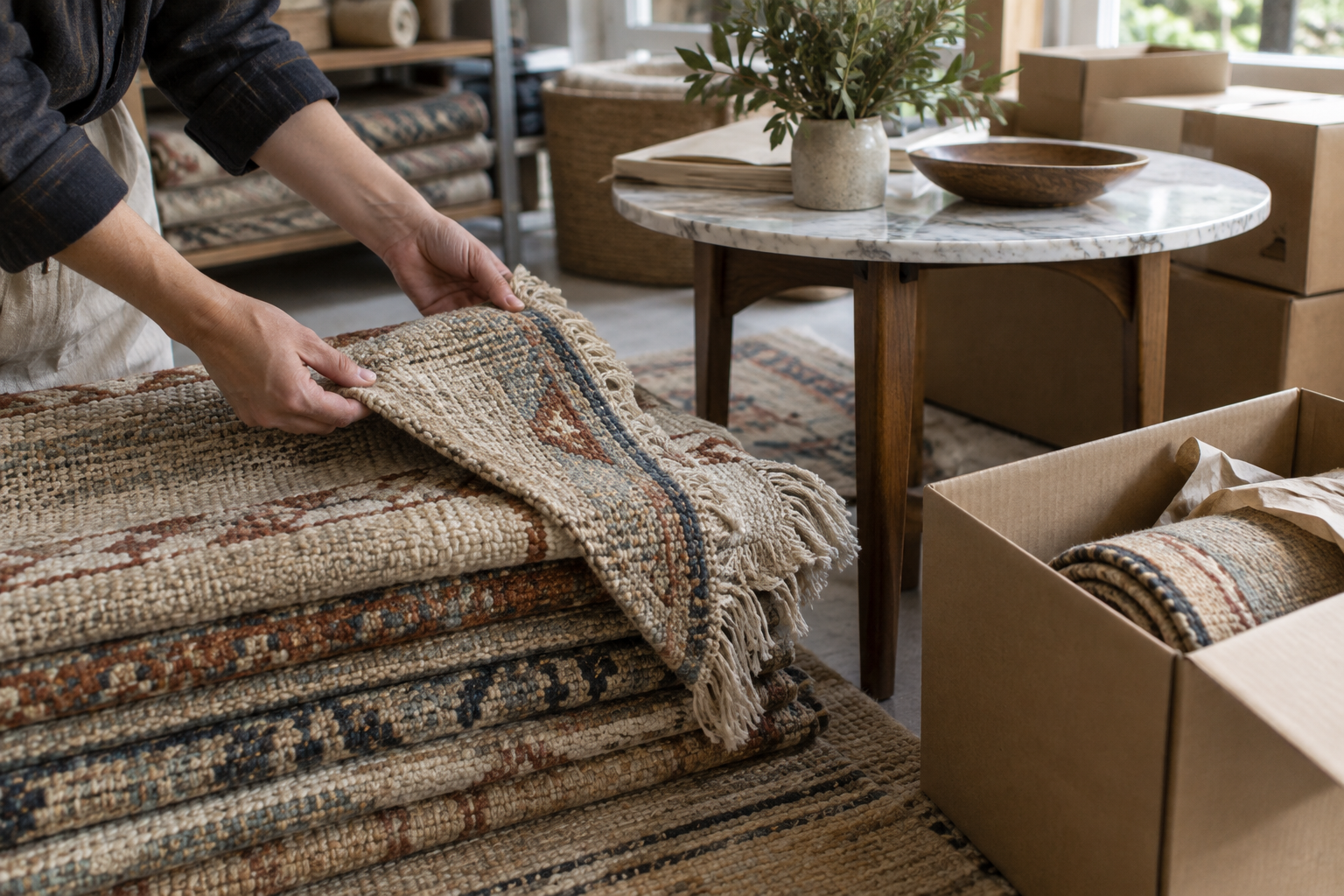
UK homeware brand FableRoom says buying directly from artisan workshops allows it to charge at least 30% less than comparable retail products, without cutting payments to the people making them.
Co-founder and chief business officer Anushka Mahanti argues that the manufacturer-to-consumer model is becoming a stronger challenge to established premium retailers. Writing in a guest commentary published by InternetRetailing, she says brands will increasingly need to explain what customers receive for a higher price.
What happened
FableRoom works with certified and audited workshops to supply handcrafted products directly to customers. Its model removes agents, exporters, wholesalers and showrooms from the route between production and purchase, taking out the margins those businesses would otherwise charge.
Mahanti says the resulting savings come from a shorter supply chain rather than cheaper materials or reduced payments to artisans. The company’s claim of prices at least 30% below comparable pieces is its own assessment, based on comparisons with products sold by other retailers.
The business began with premium furniture and handcrafted rugs before adding lifestyle and fashion products. Its expanded range includes leather handbags, cashmere scarves and demi-fine jewellery, which Mahanti says are sourced from some of the same ateliers used by global luxury brands.
FableRoom’s rugs carry GoodWeave certification, which addresses child, forced and bonded labour. Mahanti also points to the company’s B Corp status as evidence that its treatment of people within the supply chain is independently assessed.
Removing intermediaries does not remove the work they perform. FableRoom takes responsibility for quality control, packaging, freight, duty, returns and marketing once an item has been made. Mahanti says keeping those costs within a single profit and loss account makes each expense visible and subject to scrutiny.
The background
Mahanti identifies a longstanding obstacle for lower-priced premium goods: shoppers often use price as a shortcut for judging quality. A substantially cheaper handcrafted product can therefore prompt doubts rather than an immediate purchase, even where the manufacturing method and materials justify its positioning.
She accepts that better materials and proper remuneration for manufacturers and artisans carry a cost. Her argument is that the final retail price can also contain several commercial margins that do not improve the product itself, making the supply route an important part of any comparison.
The model is not confined to FableRoom. Mahanti cites US business Quince as an established example and points to Rise & Fall’s bedding and knitwear business in the UK. She expects more brands to adopt direct workshop relationships across additional product categories.
Cost pressure is also affecting conventional retail investment. Separately, Ikea has shelved UK projects as costs threaten further expansion, demonstrating that retailers’ spending decisions extend beyond the price of manufacturing individual products.
Trading conditions provide another backdrop to the debate over value. Dr Martens has reported a 21.3% fall in UK sales ahead of festive trading. That is a separate business and trading story, rather than evidence for FableRoom’s claims about the savings available through direct sourcing.
What people are saying
Mahanti says the cost-of-living crisis has made shoppers more receptive to paying less for well-made goods. However, she argues that customers seeking premium products still need a credible explanation for a lower price before they trust it.
FableRoom’s response is to display a saving against a comparable retail product on every product page. Its comparisons consider materials, construction, production technique, size, utility and design, including the workmanship implied by a particular design.
A marble-topped side table illustrates the approach. Mahanti says a comparison should consider the marble used, the dimensions of the top, the amount of wood required for the legs and the labour involved, rather than treating all tables with a similar appearance as equivalent.
She acknowledges that two products will not be identical. The intention is to identify the closest available alternative in form, appearance and function, not to suggest that a competitor is selling precisely the same item at a different price.
That distinction is relevant to how retailers communicate savings. The separate scrutiny of Black Friday ‘was’ prices and CMA fine risk concerns promotional pricing; FableRoom describes its comparisons as being against similar products elsewhere, rather than its own previous selling prices.
Mahanti also argues that a direct model can support high-end design, practical performance and after-sales care. In her view, removing commercial layers need not mean withdrawing the service customers associate with premium retail, although those activities still have to be funded within the selling price.
What happens next
Mahanti predicts that established brands will face closer examination of their pricing as consumers find it easier to research alternatives and buy directly. She does not forecast the disappearance of legacy retailers, but expects clearer explanations of value to become more important over the next decade.
For direct brands, stock management remains a separate reason to change prices. Mahanti says these businesses often make products in small batches and place repeat orders frequently, rather than committing to larger volumes at the outset.
At FableRoom, stock accumulating faster than its daily sales rate can trigger a markdown. Mahanti says discounting can be preferable to paying to store the goods, which explains why reductions differ substantially between products, ranging from 5% to 50%.
A lower sale price can therefore reflect the need to clear space for an incoming line rather than a change in manufacturing quality. The commentary does not set out a timetable for further FableRoom launches or identify the next categories it intends to enter.
Why this matters
For UK retail founders and directors, FableRoom’s account sets out both the appeal and the operational demands of direct sourcing. Removing intermediaries can reduce the margins built into a selling price, but quality control, freight, returns and marketing still need funding. Its claimed savings of at least 30% also put the basis of product comparisons in focus: businesses competing on value need to explain differences in materials, workmanship and service, not simply display a lower price.
Frequently asked questions
- What is FableRoom’s manufacturer-to-consumer model?
- FableRoom works directly with certified and audited artisan workshops, removing agents, exporters, wholesalers and showrooms. The brand takes responsibility for activities including quality control, packaging, freight, returns and marketing.
- How much cheaper does FableRoom say its products are?
- FableRoom says customers save at least 30% against comparable retail products. This is the company’s assessment, using comparisons based on factors including materials, construction, size, utility and design.
- Does FableRoom pay makers less to keep prices down?
- Co-founder Anushka Mahanti says savings come from removing supply-chain intermediaries rather than reducing payments to makers. She points to audited workshops, GoodWeave-certified rugs and the company’s B Corp status.
- How does FableRoom compare its prices with other retailers?
- FableRoom displays a saving against a comparable product on each product page. It considers materials, construction, technique, size, utility and design, while acknowledging that the products being compared are not identical.
- Why does FableRoom offer discounts?
- FableRoom says it reduces prices when stock builds up relative to daily sales, preferring markdowns to additional storage costs. Discounts vary by product and can range from 5% to 50%.
- What does FableRoom sell?
- FableRoom began with premium furniture and handcrafted rugs. It has since expanded into lifestyle and fashion products, including leather handbags, cashmere scarves and demi-fine jewellery.
In this story
Topics: FableRoom · FableRoom prices · manufacturer-to-consumer model · direct-to-consumer homeware · FableRoom rugs · homeware price comparisons · Anushka Mahanti · All Pricing news →
Original reporting: InternetRetailing. This article is an independent write-up by British Business Echo.
Latest from the newsdesk
- E-commerce
Meta launches Muse shopping agent with major UK retailers
- Funding & Business Finance
British Business Bank takes £43m Oxford Science Enterprises stake
- Business Mistakes / Lessons Learned
Next business data accessed in supplier cyberattack
- Business Growth
UK pork producers secure Vietnam access and Philippines deal
- Business Regulation
HSE tools help small firms check health and safety duties
Related stories

Baker McKenzie moves away from hourly billing as AI reshapes fees
The global law firm is moving towards value-based fees, while retaining hourly billing where clients prefer it or the work requires it.
CMA fine risk puts Black Friday ‘was’ prices under scrutiny
Retailers face direct CMA penalties for misleading discounts, while experts warn that a 28-day price history is not a legal safe harbour.
Omnisend forecasts 32% fall in UK Black Friday spending
More shoppers plan to join the sales, but smaller budgets leave retailers facing pressure to protect margins rather than chase orders.
BRC urges Budget action as shop price inflation hits 2.1%
Retailers seek relief on employment costs and business rates as October shop price inflation reaches a two-year high.