Pricing
Omnisend forecasts 32% fall in UK Black Friday spending
More shoppers plan to join the sales, but smaller budgets leave retailers facing pressure to protect margins rather than chase orders.

By Sophie Callaghan, Retail & E-commerce Reporter ·
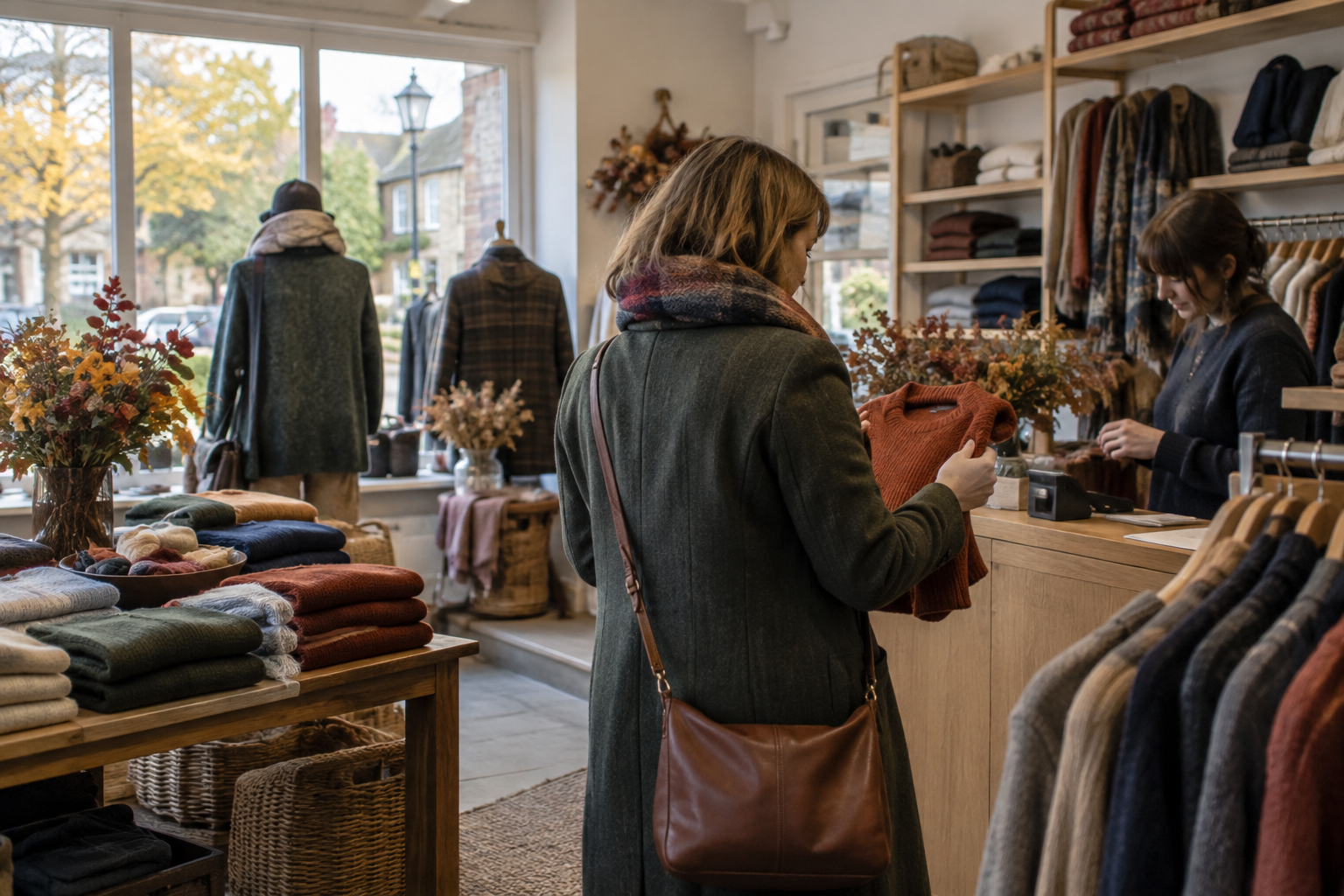
UK shoppers expect to spend £9.9bn across Black Friday and Cyber Monday in 2026, down 32% on the previous year's estimate, according to ecommerce marketing platform Omnisend.
The research, reported by Retail Gazette, puts the average planned outlay at £267, against £390 in 2025 — a decline of 31.5%. Retailers face the prospect of attracting more buyers while taking less money from each customer.
What happened
The forecast compares with an estimated £14.5bn for the two sales events in 2025. These figures measure intended spending rather than completed purchases, so they indicate how consumers are setting budgets, not the eventual performance of the sales period.
Participation is moving in the opposite direction. The proportion of respondents planning to make no purchases has dropped from 29.8% to 24.8%, meaning a smaller share intends to sit out the promotions altogether.
The sharpest change concerns customers with the largest budgets. Only 5.1% of UK respondents expect to spend £1,000 or more, compared with 12.7% a year earlier. Retailers relying on high-value orders therefore face a much smaller pool of prospective big spenders in the survey.
The next spending bracket has also contracted. Some 9.6% plan purchases totalling between £500 and £999, down from 14.3% in 2025, extending the retreat beyond the highest-budget customers.
Lower spending bands account for a growing share of intentions. The proportion budgeting less than £100 has risen from 8.7% to 18.4%, while the £100–£249 group has increased from 20.8% to 24.2%.
Clothing and accessories feature in the plans of 39% of respondents, ahead of technology and electronics at 36.5%. Toys and games follow at 31.2%, giving these three categories the strongest stated purchasing interest.
Beauty and self-care products are on the shopping lists of 24.2%, while food and drink attracts 18.2%. The latter gives grocery, specialist food and gifting businesses a place in the sales period alongside categories more commonly associated with large discretionary purchases.
The background
Separate holiday shopping research from Omnisend found that 84% of UK respondents expect rising prices to influence their buying decisions. That suggests the squeeze on Black Friday budgets forms part of wider festive spending decisions, rather than being confined to one promotional weekend.
Price and affordability lead the considerations shoppers cite when buying, at 63.5%. The findings sit alongside wider retail concerns about costs, including the British Retail Consortium's call for Budget action over shop price inflation.
For independent retailers, the pricing challenge is compounded by having less scale and supplier bargaining power than the largest marketplaces. Matching those competitors' reductions across a whole range can leave smaller businesses carrying costs they are less equipped to absorb.
The research also points to a distinction between attracting activity and generating a worthwhile return. With budgets shifting towards lower spending bands, visitor numbers and order volumes alone will not show whether a promotion has protected the retailer's margin.
What people are saying
Marty Bauer, ecommerce expert at Omnisend, argues that a broad increase in discounts would be the wrong response to tighter household budgets. His warning is directed particularly at businesses with limited margins, where a busy sales period can still produce little profit.
Bauer says independent operators should not attempt to match Amazon's prices product by product. Instead, he advocates choosing the items to promote and the audiences to target, using customer information to make those decisions.
Previous buyers and people who have already demonstrated interest in a particular product offer a more useful starting point than an identical promotion sent to every contact, he says. That emphasis on existing relationships also features in HyperFinity's call to rethink Black Friday loyalty offers.
Among the alternatives Bauer identifies are product bundles, restricted offers for loyal customers and free-delivery thresholds set at realistic spending levels. These approaches can change the value offered to a shopper without requiring the same percentage reduction on every item.
He cautions that each incentive needs a cost assessment before launch. Product costs, fulfilment and customer acquisition all affect the return, and encouraging a larger basket does not necessarily improve profitability if the incentive consumes the additional margin.
What happens next
Campaign timing is another immediate consideration: 28.3% of respondents in Omnisend's holiday research say they are starting festive shopping earlier than usual. Bauer warns that retailers waiting until Black Friday itself may find some customers have already committed their available budgets elsewhere.
He identifies relevant email and SMS promotions as ways to reach those early shoppers without competing for every visit through paid clicks. His recommendation links campaign timing to customer targeting, rather than treating the sales weekend as the only opportunity to secure purchases.
Payment choices could also influence higher-value orders. Some 12.5% of respondents intend to use Buy Now, Pay Later, while another 27.4% would consider it for a deal on an expensive item.
Deal discovery is changing too. Some 17.5% say they have used generative AI to locate online offers or coupons in the preceding six months, a finding relevant to DTC SEO Agency's warning about retailers' Black Friday AI readiness.
Black Friday remains the festive sales event attracting the most interest in the research, with 54.5% planning to shop online and 32.1% in stores. Cyber Monday follows on 30 November and is expected to draw 20%, leaving retailers with a further sales opportunity beyond the main Black Friday event.
Why this matters
For UK retail owners and directors, the forecasts make campaign profitability more important than shopper numbers alone. Participation is expected to increase, yet average budgets and the share of high spenders have fallen. Decisions on discounts, delivery thresholds and customer acquisition therefore need to account for the cost of each order. Earlier festive shopping also creates a timing risk: businesses concentrating their activity on Black Friday itself may reach customers after they have spent elsewhere.
Frequently asked questions
- How much will UK shoppers spend on Black Friday in 2026?
- Omnisend forecasts £9.9bn across Black Friday and Cyber Monday in 2026, down 32% from the £14.5bn estimate for 2025. The figures reflect spending intentions, not completed transactions.
- What is the average Black Friday budget in the UK?
- Average planned spending across Black Friday and Cyber Monday is £267 per shopper in 2026, according to Omnisend. That is 31.5% below the £390 figure for 2025.
- Are fewer people planning to shop on Black Friday?
- No. Omnisend finds that the proportion planning to buy nothing has fallen from 29.8% to 24.8%. More consumers intend to participate, but average budgets are smaller.
- What do UK shoppers plan to buy on Black Friday?
- Clothing and accessories lead at 39%, followed by technology and electronics at 36.5%, toys and games at 31.2%, beauty and self-care at 24.2%, and food and drink at 18.2%.
- Should independent retailers offer bigger Black Friday discounts?
- Omnisend's Marty Bauer warns against blanket reductions. He recommends selective product promotions, customer targeting, bundles and loyalty offers, with each incentive assessed against product, fulfilment and acquisition costs.
- Are shoppers using AI to find Black Friday deals?
- Omnisend finds that 17.5% of respondents used generative AI to find online deals or coupons during the previous six months. The figure covers that period, rather than Black Friday alone.
- When is Cyber Monday in 2026?
- Cyber Monday falls on 30 November in 2026. Omnisend's research indicates that 20% of respondents expect to shop during the event.
In this story
Follow-up coverage
Topics: UK Black Friday spending · Black Friday 2026 · Omnisend Black Friday research · UK Black Friday shopping budgets · Black Friday retail discounts · Cyber Monday 2026 · independent retailer Black Friday strategy · All Pricing news →
Original reporting: Retail Gazette. This article is an independent write-up by British Business Echo.
Latest from the newsdesk
- E-commerce
Meta launches Muse shopping agent with major UK retailers
- Funding & Business Finance
British Business Bank takes £43m Oxford Science Enterprises stake
- Business Mistakes / Lessons Learned
Next business data accessed in supplier cyberattack
- Business Growth
UK pork producers secure Vietnam access and Philippines deal
- Business Regulation
HSE tools help small firms check health and safety duties
Related stories
HyperFinity co-founder urges Black Friday loyalty overhaul
Former Asda pricing lead Thomas Hill argues that targeted discounts would reward repeat customers without spreading margin losses across entire ranges.

FableRoom says direct supply model cuts prices by at least 30%
The UK homeware brand’s co-founder says removing supply-chain intermediaries can lower prices without reducing payments to makers.

Baker McKenzie moves away from hourly billing as AI reshapes fees
The global law firm is moving towards value-based fees, while retaining hourly billing where clients prefer it or the work requires it.
CMA fine risk puts Black Friday ‘was’ prices under scrutiny
Retailers face direct CMA penalties for misleading discounts, while experts warn that a 28-day price history is not a legal safe harbour.