Economic Changes Affecting SMEs
UK government removes tariffs on more than 100 products
Import duties on food, fertilisers and kerosene are being suspended, with the government forecasting consumer savings of up to £185m a year.

By Eleanor Whitcombe, Editor ·
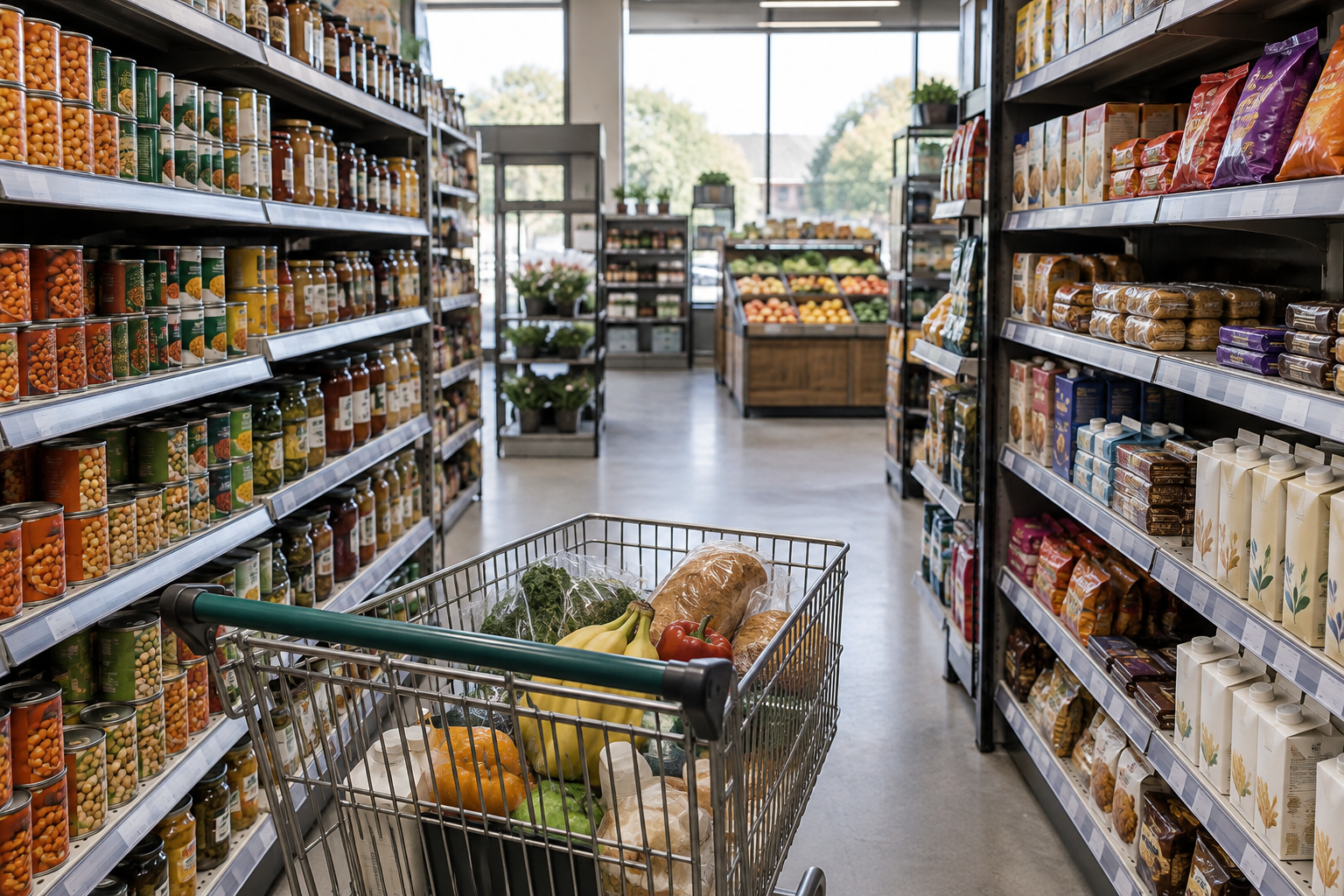
The UK government is removing import tariffs on more than 100 products, including baked beans, chocolate, fertilisers and heating oil, in a package expected to reduce consumer costs by up to £185m a year.
Lower-income households are expected to gain most from the changes, according to GOV.UK Business. The announcement says the suspensions take effect immediately, although it does not provide a calendar date for their introduction.
What happened
The package removes duties from a range of groceries and confectionery, alongside agricultural inputs and kerosene. For businesses importing the affected goods, the immediate change is to the tariff charged, rather than a prescribed reduction in the final selling price.
Garlic is among the products covered. Its listed duty combines an 8% charge with a further £100 per 100kg. Citrus jams, marmalades and pastes carry a listed tariff of 20% plus £19 per 100kg, which is also being suspended.
Several confectionery categories have an 8% duty removed. These include throat pastilles and cough drops, boiled sweets, toffees, caramels and similar products, as well as chocolate-coated waffles and wafers.
The same 8% tariff suspension applies to plant-based drinks made from soya, nuts, cereals or seeds. Baked beans and chocolate are named among the wider products benefiting, but the announcement does not specify their previous tariff rates.
Kerosene's 4% tariff is being removed, covering an energy source used by both households and businesses dependent on heating oil. That is a separate cost measure from the food changes, with energy expenditure also relevant to businesses following UK inflation reaching 3.6%.
For farmers, the package suspends fertiliser duties ranging from 2% to 6.5%. The government expects this to support supply security as well as offer scope for lower input costs.
The background
The latest suspensions were announced at the Budget in the month before their introduction. They follow an earlier round of tariff cuts in June covering products including pasta, fruit juice and tuna; the announcement does not identify the year of that June package.
Together, the two rounds are forecast to reduce annual consumer costs by up to £595m. That combined estimate includes the latest £185m package and should not be read as an additional saving on top of it.
The focus on everyday purchases is relevant to retailers facing cautious spending. Separate coverage of retail sales rising 1.5% while shoppers delay larger purchases highlights the distinction between essential shopping and more discretionary expenditure.
The government also links the tariff changes to other Budget measures: keeping fuel duty down, providing £100 towards energy bills for 20 million households, removing electricity standing charges and retaining a £2 bus fare cap.
What people are saying
John Healey said global conflicts were continuing to put pressure on household food spending. He argued that, although the government could not control international events, removing import duties was one way it could help reduce costs.
The government's expectation that poorer households will benefit most is a forecast, not a published breakdown of savings by income group. Its announcement gives no estimate for an individual family's weekly shop, a distinction relevant to businesses assessing weaker consumer confidence.
Nor does the announcement set out commitments from importers or retailers on how much of the tariff reduction will reach customers. The £185m figure is therefore an estimate of potential annual consumer savings, rather than confirmation of price changes already made.
What happens next
Most of the suspensions are due to remain in place until December 2028. Fertilisers have a shorter timetable, with their tariff suspension running until December 2027.
Those different expiry dates give agricultural buyers and other importers distinct periods to consider when planning purchases. The announcement does not set out an extension beyond either deadline or a timetable for reviewing the suspensions.
Timeline
June (year not specified)
An earlier tariff package cuts duties on products including pasta, fruit juice and tuna.
December 2027
The fertiliser tariff suspension is due to end.
December 2028
Most of the latest tariff suspensions are due to end.
Why this matters
For importers, food retailers, farmers and businesses using heating oil, the package changes the cost of specific overseas purchases rather than guaranteeing lower selling prices. Directors will need to distinguish the government's consumer savings forecast from the effect on their own purchasing costs and margins. The expiry dates also matter for procurement: fertiliser relief runs only until December 2027, a year earlier than most of the other suspensions.
Frequently asked questions
- Which products are included in the UK tariff cuts?
- More than 100 products are covered, including baked beans, chocolate, garlic, citrus jams and marmalades, cough sweets, other confectionery, plant-based drinks, kerosene and fertilisers.
- How much could the tariff cuts save consumers?
- The government forecasts savings of up to £185m a year from the latest package. Together with earlier cuts announced in June, estimated annual consumer savings reach up to £595m.
- Will the tariff cuts make supermarket food cheaper?
- The government expects lower consumer costs, but the announcement does not confirm individual shelf-price reductions or commitments from retailers to pass on a specific amount.
- When do the UK tariff suspensions end?
- Most suspensions remain in place until December 2028. The suspension of fertiliser tariffs has an earlier expiry date of December 2027.
- How do the tariff cuts affect farmers?
- Fertiliser tariffs ranging from 2% to 6.5% are being suspended. The government expects the change to improve supply security and offer potential reductions in farming input costs.
- Is heating oil included in the tariff cuts?
- Yes. The package removes kerosene's 4% import tariff, benefiting the supply of heating oil used by households and businesses.
- When do the new tariff cuts start?
- The government announcement describes the cuts as taking effect immediately, following their announcement at the previous month's Budget. It does not supply a calendar commencement date.
In this story
Topics: UK tariff cuts · food import tariff suspensions · UK fertiliser tariffs · kerosene import duty · food tariff savings · tariff suspensions December 2028 · All Economic Changes Affecting SMEs news →
Original reporting: GOV.UK Business. This article is an independent write-up by British Business Echo.
Latest from the newsdesk
- Pricing
Laurence Ellis explains freelance shoot fees of £1,250–£1,500
- Recruitment & Employment
Home Office settlement plan could double hospitality sponsor costs
- Insolvency & Restructuring
Poundland enters administration with nearly 12,000 jobs at risk
- Funding & Business Finance
UK creative businesses backed with more than £45m
- HMRC
HMRC raises late payment interest on overdue tax to 8%
Related stories
UK retail sales rise 0.7% after government stockpiling push
Emergency food purchases helped lift October sales, but analysts warn the increase may not signal stronger demand before Christmas.

BRC consumer confidence falls as Gen Z finances weaken
Retailers call for lower youth employment costs as November polling shows weaker confidence in the economy and household finances.

UK inflation reaches 3.6% as Bank weighs another rate rise
October inflation reaches a one-year high, leaving the Bank of England to weigh energy pressures against a soft jobs market.

Ikea shelves UK projects as costs threaten further expansion
The furniture retailer could direct investment to lower-tax European markets after shelving British projects amid rising costs.