Regional Business – North West
North West councils secure derelict buildings funding
Sixteen councils will share funding to revive long-vacant properties, with Bolton receiving £2.92m and Salford £2.8m.

By Tom Ashworth, North West Correspondent ·
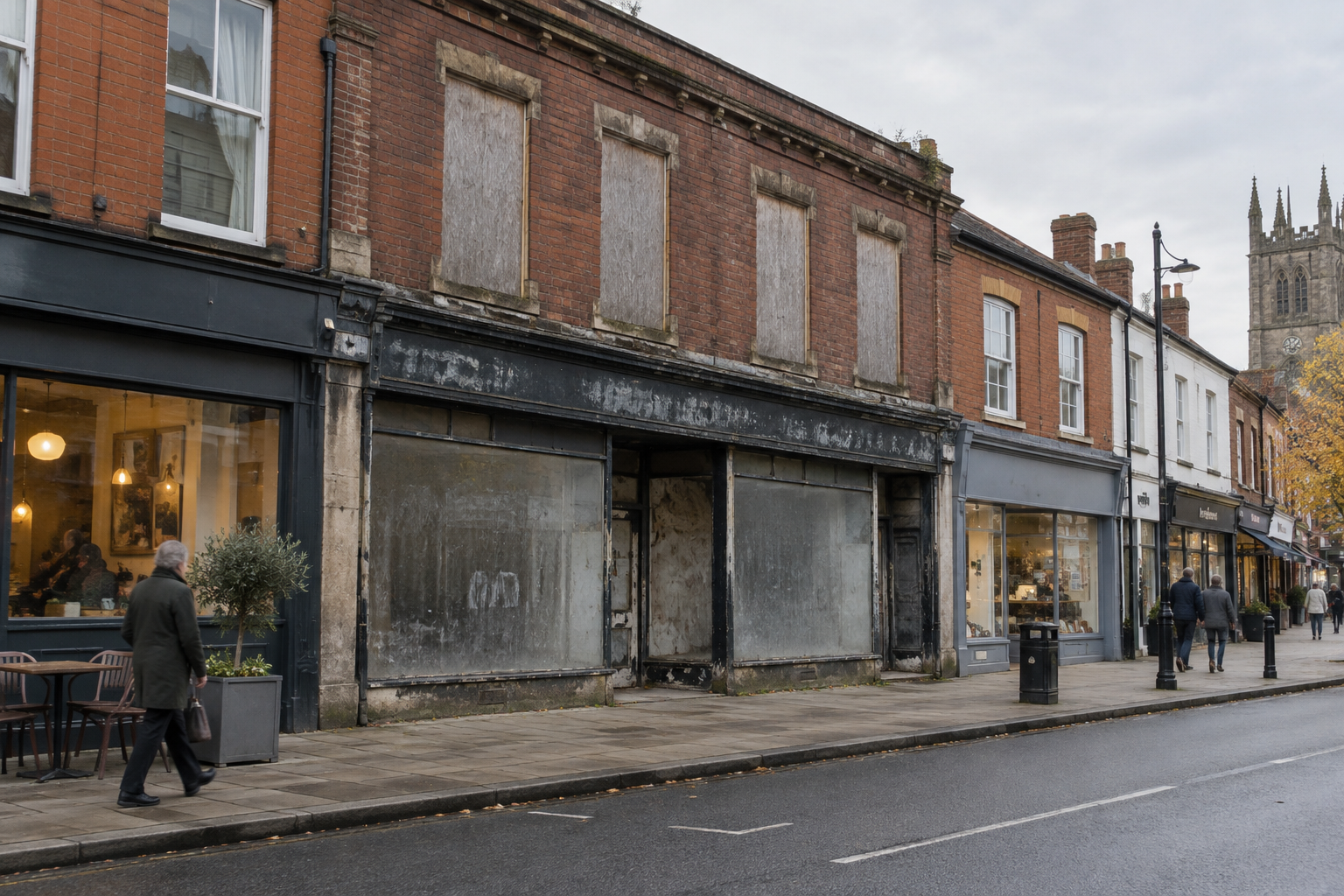
Sixteen North West councils will receive funding to bring long-vacant buildings back into use under a £125m English programme announced in Chancellor John Healey’s Autumn Budget. The published subregional allocations total £30.35m, with Bolton securing the region’s largest individual award at £2.92m.
The figures reported by Place North West differ from the £33m regional total in its headline. Its breakdown assigns £15.6m to Greater Manchester, £7.45m to Lancashire and £7.3m to Liverpool City Region, without explaining the difference.
What happened
The new Derelict Buildings Fund covers 60 local authorities across England. Councils will be able to use their awards to buy buildings that have stood empty for lengthy periods and address obstacles preventing their redevelopment.
Funding can also help close the gap between development costs and a project’s viability, or support a transfer of ownership to parties committed to securing a building’s future. The programme therefore extends beyond paying directly for restoration work.
Six Greater Manchester councils will receive allocations, including Bolton and Salford. Salford’s £2.8m award is the second largest identified in the North West, while six Lancashire authorities and four in Liverpool City Region also qualify.
The background
The fund forms part of the government’s wider Hope on the High Street Strategy. Its focus is on buildings whose restoration could make a noticeable difference to how people perceive decline in a town centre or high street.
Authorities were selected because of high levels of employment deprivation. Individual awards range from £1m to £3m, with the amount determined by population size rather than a published assessment of particular building projects.
The largest cities within mayoral strategic authorities were excluded from eligibility. The programme is consequently not open to every council with vacant commercial property.
The Budget also included a separate £10m pledge for Bury Market’s closed indoor hall, another North West intervention involving an existing town-centre building.
The detail
Potential projects span a broad range of uses. Shops, offices and department stores could qualify, alongside heritage properties, cinemas, theatres, pubs and former places of worship.
That scope allows councils to consider buildings beyond conventional retail premises. However, an eligible type of property does not itself amount to an approved project: authorities must identify buildings and develop viable proposals for bringing them back into use.
Property acquisition is one of the fund’s permitted uses, making council ownership a possible route to renewal rather than a requirement. Elsewhere in Greater Manchester, Tameside’s acquisition of the Arcades forms part of its Ashton regeneration plans; that is a separate initiative from the new fund.
What happens next
The first funding tranche is due to be released in spring. Before then, the selected councils must prepare longlists of buildings they want to support and establish viable renewal projects for them.
The programme will run until 2030. No individual North West building projects or completion dates are identified in the announcement, so the council allocations do not yet establish which properties will receive support.
Why this matters
For North West property owners and businesses near vacant premises, the fund gives selected councils resources to address acquisition costs and development viability, rather than relying solely on private investment. Its coverage extends beyond shops to offices, hospitality and cultural buildings. The immediate issue is which properties enter council longlists: allocations have been announced, but individual projects remain unidentified, and viable renewal proposals are required before the first funding tranche is released in spring.
Frequently asked questions
- What is the Derelict Buildings Fund?
- The Derelict Buildings Fund is a £125m government programme supporting 60 English councils to bring long-vacant buildings back into use. It forms part of the Hope on the High Street Strategy.
- How much funding is the North West receiving?
- The published subregional allocations total £30.35m across 16 councils. The source headline gives a £33m regional total, but the report does not explain the difference.
- How much have Bolton and Salford been awarded?
- Bolton has been allocated £2.92m and Salford £2.8m. These are the two largest individual North West awards identified in the report.
- Which buildings could qualify for the fund?
- Potential projects include long-vacant shops, offices, department stores, heritage buildings, cinemas, theatres, pubs and former places of worship. Restoration should visibly improve perceptions of decline on high streets.
- What can councils spend the funding on?
- Councils can acquire long-vacant buildings, address development barriers, close viability gaps or support ownership transfers to parties committed to a building’s future.
- How were councils selected for the Derelict Buildings Fund?
- Councils were selected because of high employment deprivation. Awards of between £1m and £3m were determined by population size. The largest cities within mayoral strategic authorities were not eligible.
- When will Derelict Buildings Fund money be released?
- The first tranche is due in spring, after councils prepare building longlists and viable renewal proposals. The programme runs until 2030.
In this story
Follow-up coverage
Topics: Derelict Buildings Fund · North West derelict buildings funding · Bolton regeneration funding · Salford regeneration funding · high street regeneration funding · Hope on the High Street Strategy · All Regional Business – North West news →
Original reporting: Place North West. This article is an independent write-up by British Business Echo.
Latest from the newsdesk
- E-commerce
Meta launches Muse shopping agent with major UK retailers
- Funding & Business Finance
British Business Bank takes £43m Oxford Science Enterprises stake
- Business Mistakes / Lessons Learned
Next business data accessed in supplier cyberattack
- Business Growth
UK pork producers secure Vietnam access and Philippines deal
- Business Regulation
HSE tools help small firms check health and safety duties
Related stories
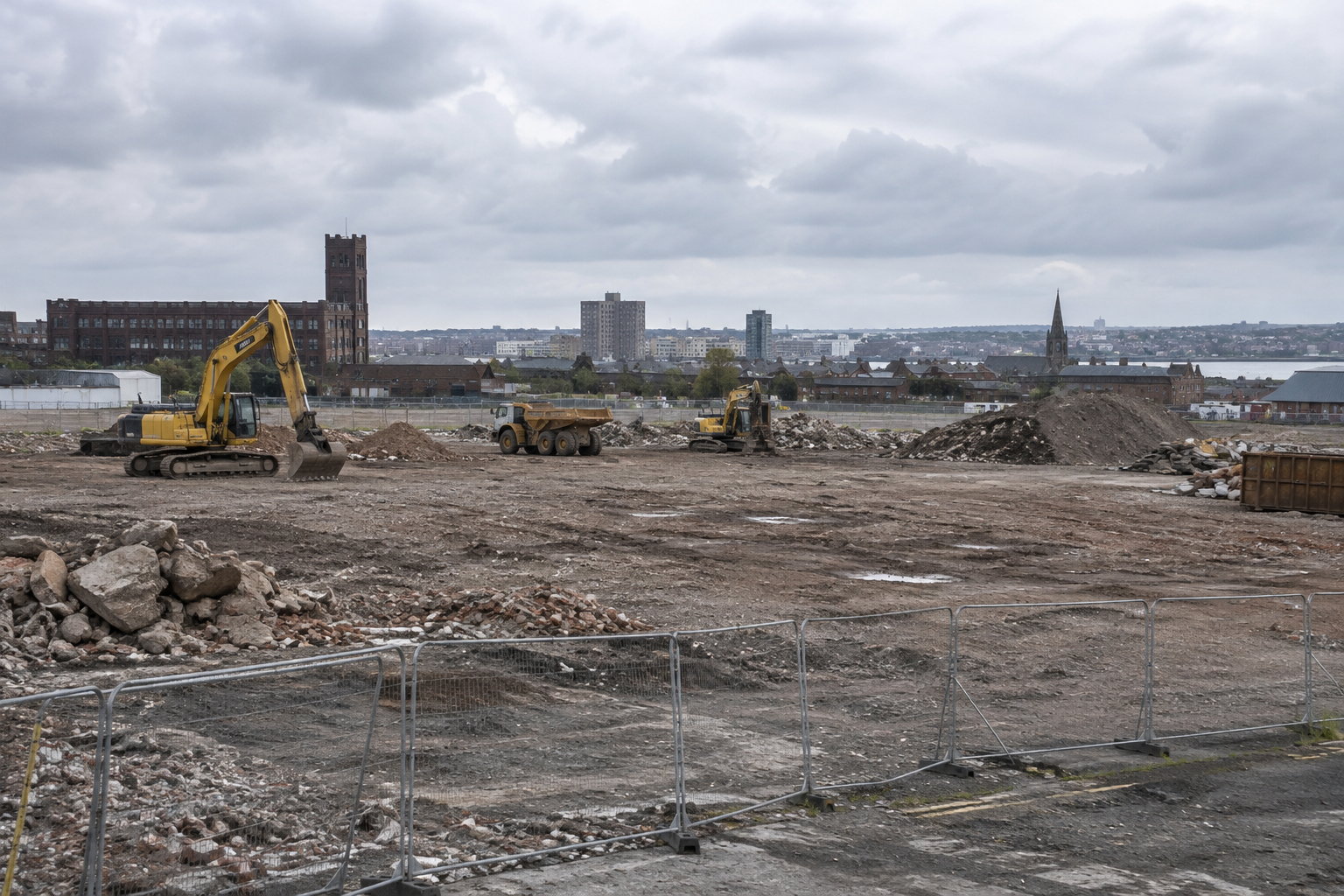
Wirral’s Borough Yard costs rise £21m as Sisk contract agreed
Wirral Council has agreed a £36.5m enabling works contract in principle, while changes to funding leave an £8.9m programme shortfall.
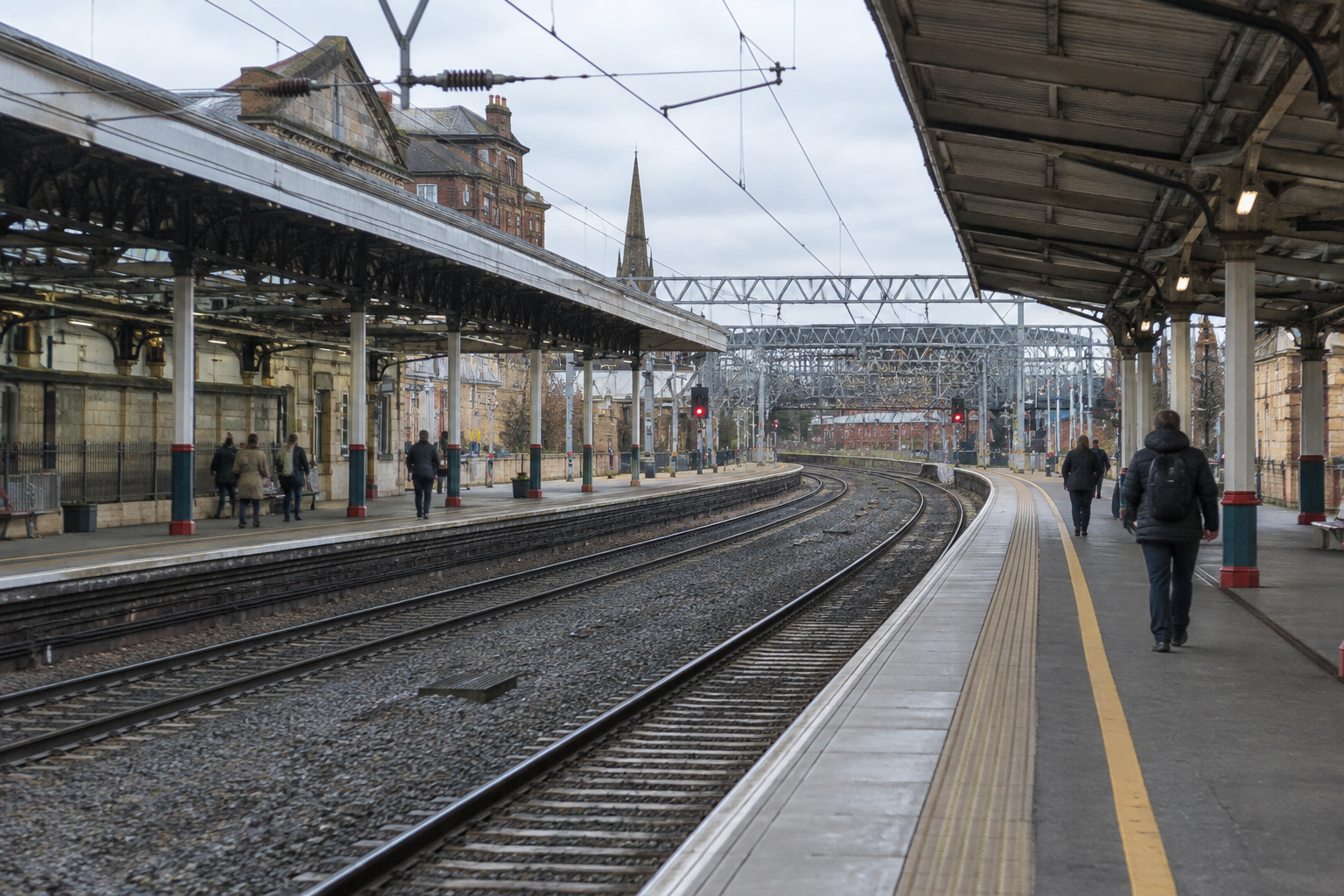
Lancashire approves £643m transport plan with rail funding
The four-year programme includes £28.2m for Cottam Parkway, station upgrades and bus investment, with major rail reopenings left for further development.

JLR adds hybrid option to electric Defender Sport plans
The smaller Defender will use JLR’s EMA platform as the group broadens powertrain choice and prepares to expand the brand beyond its current range.

SCALE Manchester names four founders for £13,000 support pitch
Four health and workplace businesses will pitch at Freight Island on 25 November for a support package worth almost £13,000.