Commercial Property
Strategic Sites Accelerator offers £700m to unlock UK sites
Government funding and technical support will target up to 10 industrial and commercial sites, aiming to attract £2bn of private investment.

By Tom Ashworth, North West Correspondent ·
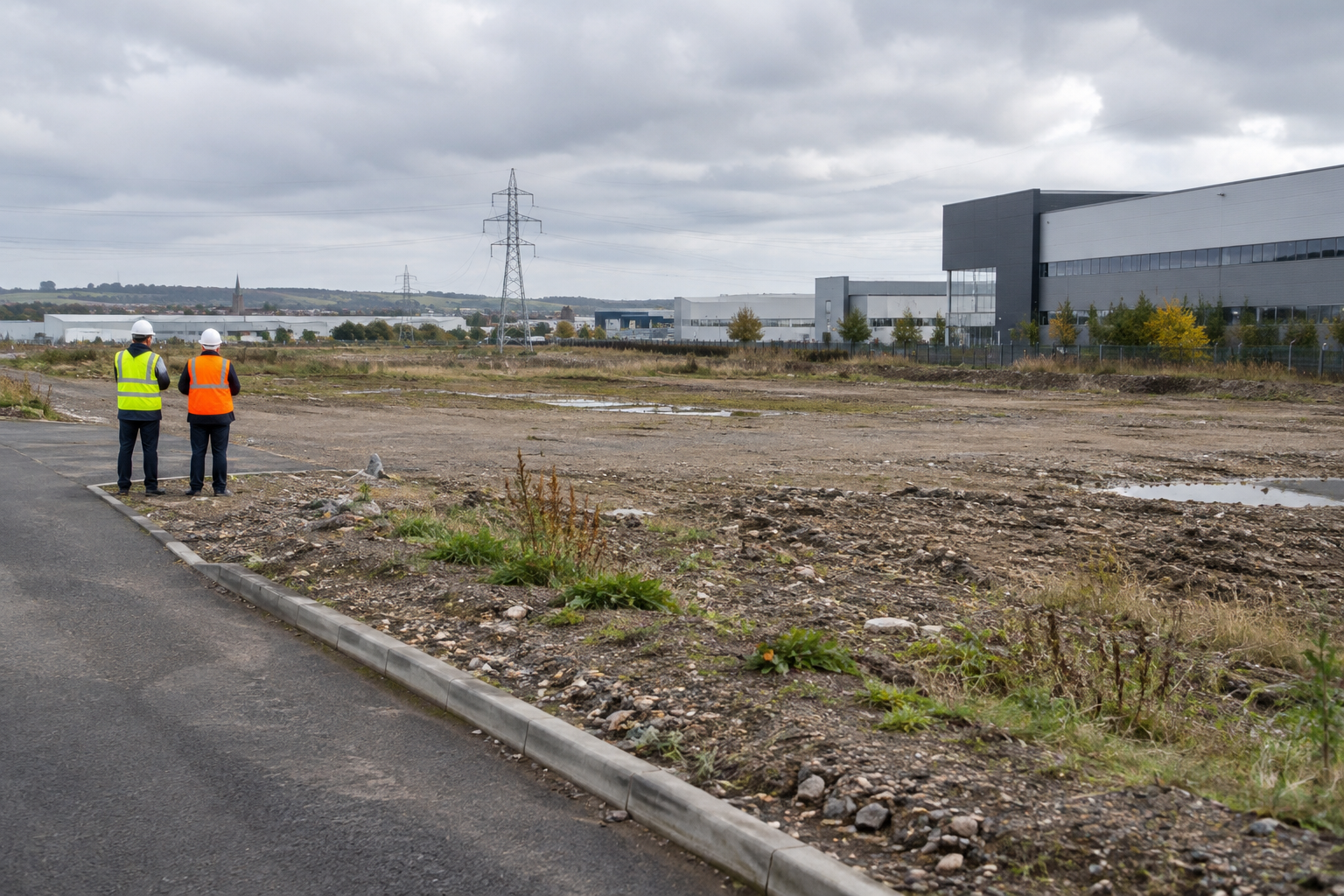
Business Secretary Jonathan Reynolds has announced around £700m of government funding to help bring forward up to 10 major industrial and commercial sites across the UK, with the Strategic Sites Accelerator launching on 2 November.
The programme aims to attract up to £2bn of private investment over time. The announcement, published by GOV.UK Business, says tens of thousands of jobs could follow directly and across the wider economy, depending on which developments proceed and whether their viability problems are resolved.
What happened
The accelerator will target sites with credible commercial prospects and demonstrable investor interest where specific obstacles are preventing development. Its funding and advisory support will address problems including planning restrictions, electricity grid connections and difficulty securing finance.
Support will combine loans, equity investment and targeted grants rather than operate solely as a grant programme. Technical specialists will work with developers, local partners and government to establish what is needed to make individual projects deliverable.
The government's stated ambition is to support between six and 10 sites. Each investment will require commercial assessment, due diligence and the relevant approvals, so the headline funding package does not amount to an unconditional commitment to particular developments.
The Office for Investment and the National Wealth Fund will lead the programme together, with property adviser CBRE appointed as national delivery partner. They will work with investors and regional partners to assess commercially credible opportunities and the barriers affecting them.
Technical engagement is already under way on potential sites in Glasgow, Burgess Hill and Sheffield. These locations are receiving expertise and support, although the announcement does not identify them as having secured final investment approval.
The programme is also exploring opportunities in Greater Manchester, West Yorkshire, the West Midlands, South Yorkshire, Liverpool City Region, the North East, Glasgow City Region and Cardiff Capital Region. That work builds on the National Wealth Fund's strategic partnerships in those areas.
Eligibility extends beyond those partnerships to every UK nation and region. Science parks, manufacturing developments and innovation districts are among the types of site that could receive help where viability constraints are holding back investment.
The background
The accelerator forms part of the government's Industrial Strategy, with advanced manufacturing, digital and technology businesses, defence and life sciences among its intended sectors. The announcement follows the previous week's Budget and accompanies further powers and resources for mayors and local leaders.
The government cites £4bn of life sciences investment since July 2025 and a technology sector valued at more than £1 trillion as evidence of the scale of the industries it wants to accommodate. It also points to digital and technology roles offering salaries above £45,000, although no programme-wide wage commitment is given.
Separate regional development plans illustrate the scale of investment being pursued outside London. The Oxford Road Corridor's £1.9bn growth strategy concerns an established Manchester innovation district; the accelerator announcement does not confirm that it is among the sites being assessed.
Liverpool also has a developing pipeline of commercial space, including Sciontec's proposed May 2027 start for Hemisphere One. Liverpool City Region is named among the areas where accelerator opportunities are being explored, but no funding commitment to that individual project is announced.
The new programme sits alongside other interventions aimed at bringing property back into use, including funding secured by North West councils for derelict buildings. The accelerator's stated focus is on strategic commercial and industrial opportunities with existing market demand, rather than a general allocation for vacant property.
Further devolution measures will give mayors a share of business rates from 2027 and an assignment of income tax from 2028. The government also announced £285m for areas progressing towards devolution deals or Strategic Authority status, including £120m of capital funding to develop and deliver investment opportunities.
What people are saying
Reynolds said infrastructure shortcomings, financing difficulties and planning problems were preventing investment and employment growth. He presented the accelerator as a way to give local leaders more support in bringing nationally important opportunities forward, with benefits expected over several years.
Bev Craig said Greater Manchester's Good Growth Fund underpinned a regional pipeline intended to support £10bn of investment over the next decade. She identified infrastructure requirements, land remediation and complex delivery arrangements as reasons otherwise viable schemes were struggling to advance.
Craig welcomed the accelerator as an additional means of addressing those problems. She said the region would work with government and other partners to identify nationally significant sites capable of delivering benefits for businesses and communities.
South Yorkshire mayor Oliver Coppard pointed to work across the Don Valley Corridor, including Runway Park, as an example of the opportunities being pursued with government. He said accelerator backing and the region's new partnership with the National Wealth Fund would help realise Runway Park's potential.
Coppard linked that ambition to South Yorkshire's existing advanced manufacturing cluster, which has developed around a research centre marking its 25th anniversary. His position was that further public-private investment could build on that established industrial base rather than start a new cluster from scratch.
West Yorkshire mayor Tracy Brabin said the region's local growth plan was already bringing forward land for housing and commercial development, supported by a £450m capital fund secured through devolution. She said the accelerator could provide additional space for business expansion and employment.
CBRE said suitable commercial property was necessary to support productivity and high-value investment. The adviser described the combination of industrial policy, funding and specialist assistance as an important response to persistent viability problems affecting strategic sites.
What happens next
No10 North will work with the programme and local leaders to identify investment opportunities. It will exchange information on priority project pipelines with the accelerator in support of the National Economic Council, connecting the site-level work with wider government investment priorities.
The next decisions will concern which sites pass assessment and what mix of finance and technical intervention each requires. The announcement gives no application deadline, individual funding allocations or timetable for completing the supported developments.
Employment estimates remain conditional on the projects ultimately selected and their ability to overcome development constraints. The government describes the potential jobs total as an outcome over time, not an immediate recruitment commitment or a guaranteed number of posts at the initial sites.
Timeline
July 2025
Start of the period in which the government reports £4bn of life sciences investment.
2027
Mayors are due to receive a share of business rates under wider devolution measures.
2028
An assignment of income tax to mayors is due to begin.
Why this matters
For developers and businesses seeking industrial or specialist commercial premises, the programme offers a potential route through financing, infrastructure and planning obstacles that can delay expansion. Its emphasis on existing investor demand makes commercial viability central to selection, while the mix of debt, equity and grants means support will not necessarily be a subsidy. Directors assessing prospective locations will need to distinguish early technical engagement from approved investment: the announcement names areas of interest but does not set delivery dates or confirm individual allocations.
Frequently asked questions
- What is the Strategic Sites Accelerator?
- The Strategic Sites Accelerator is a UK government programme offering around £700m and specialist support to bring forward major industrial and commercial developments held back by financing, planning, grid connections or other viability problems.
- How many sites will the Strategic Sites Accelerator support?
- The government's stated ambition is to support six to 10 strategic sites. Individual investments will depend on commercial assessment, due diligence and approvals.
- Is Strategic Sites Accelerator funding available as grants?
- Targeted grants are one option, alongside loans and equity investment. The programme also offers technical and advisory support tailored to the barriers affecting each development.
- Which locations are being considered for the accelerator?
- Technical engagement is already under way on potential sites in Glasgow, Burgess Hill and Sheffield. Opportunities are also being explored across eight regional partnership areas, while the programme remains open to sites throughout the UK.
- Who runs the Strategic Sites Accelerator?
- The Office for Investment and the National Wealth Fund will lead the programme together. CBRE is its national delivery partner, working with investors, developers and regional partners.
- How much private investment could the programme attract?
- The accelerator aims to attract up to £2bn of private investment over time. That figure is an ambition rather than a confirmed total of investor commitments.
- What is the Strategic Sites Accelerator application deadline?
- The announcement does not provide an application deadline. It says investments will require commercial assessment, due diligence and approvals, with no individual funding allocations or development completion timetable specified.
In this story
Follow-up coverage
- Commercial Property
Warrington seeks views on plan for 13,250 homes
- Commercial Property
London headquarters growth at risk from office shortage
- Logistics & Fulfilment
Freight Innovation Fund selects 20 firms for trials and growth
- Funding & Business Finance
ETZ launches £2.5m fund for Aberdeen industrial upgrades
Topics: Strategic Sites Accelerator · £700m industrial sites funding · UK commercial development funding · National Wealth Fund strategic sites · industrial site viability funding · government funding for science parks · All Commercial Property news →
Original reporting: GOV.UK Business. This article is an independent write-up by British Business Echo.
Latest from the newsdesk
- E-commerce
Meta launches Muse shopping agent with major UK retailers
- Funding & Business Finance
British Business Bank takes £43m Oxford Science Enterprises stake
- Business Mistakes / Lessons Learned
Next business data accessed in supplier cyberattack
- Business Growth
UK pork producers secure Vietnam access and Philippines deal
- Business Regulation
HSE tools help small firms check health and safety duties
Related stories

Westmorland and Furness Council approves shop auction pilot
The council plans to auction leases on long-term vacant properties across four towns, with Barrow recording a 25.1% vacancy rate.
Langtree hands over £25m Hollinwood Junction final phase
The handover of 192,000 sq ft of industrial space completes the main Hollinwood Junction development beside the M60 in Oldham.

State House Liverpool heads to auction with £2.5m guide
The Dale Street property generates £401,100 in annual rent and includes a 92-room hotel, offices and 37,600 sq ft of vacant space.

Sciontec targets May 2027 start for Liverpool’s Hemisphere One
Morgan Sindall is preferred contractor for the 150,000 sq ft Liverpool laboratory and office scheme, with completion targeted for early 2029.