Business Regulation
Government plans doctor-only rules for liquid BBLs
Proposed restrictions in England would reserve high-risk treatments for qualified healthcare professionals, with unlimited fines for breaches.

By Eleanor Whitcombe, Editor ·
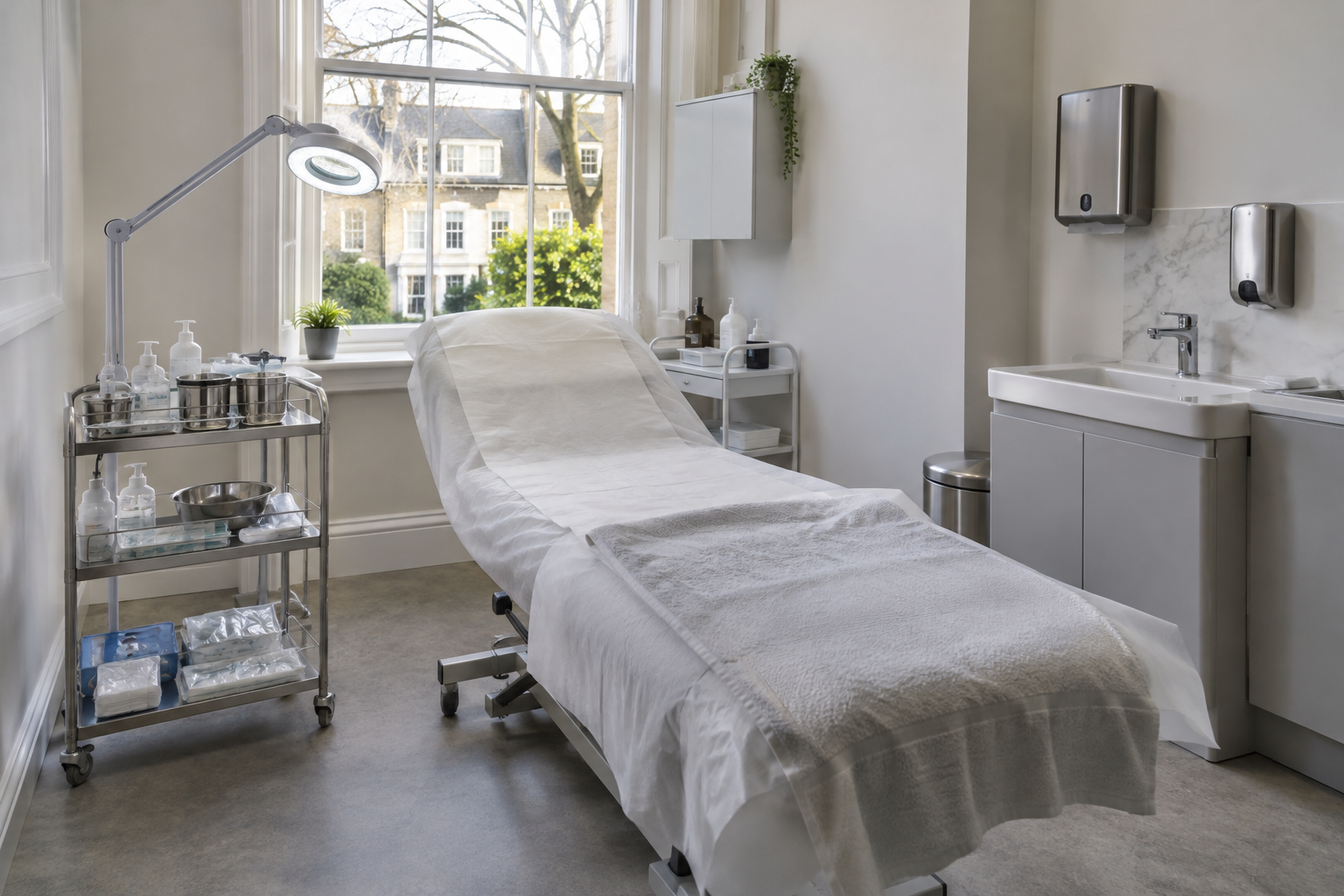
The government has proposed restrictions on high-risk cosmetic procedures in England that would allow only doctors to perform liquid Brazilian butt lifts, with providers facing unlimited fines for breaking the rules.
A consultation on the draft regulations is open until 13 January 2027. The proposals would also prevent under-18s from undergoing cosmetic surgery and other high-risk cosmetic or wellbeing treatments, with the Parliamentary process currently planned for spring 2027.
What happened
Body fillers injected outside the face, including those used in liquid Brazilian butt lifts, would be classified in law as cosmetic surgical procedures. That change would reserve their use to doctors rather than allowing non-healthcare practitioners to perform them.
The package, announced by GOV.UK Business, also covers high-risk non-surgical and wellbeing treatments. Deep chemical peels, vampire facials, dermal micro-coring and some laser procedures are among those identified for restrictions.
For those treatments, the government identifies a specific group of eligible nurses, midwives and pharmacists: those who have completed accredited training that gives them legal authority to prescribe medicines. The proposals therefore distinguish between holding a healthcare qualification and having the additional prescribing credentials required for the work.
Providers breaching the proposed restrictions could face prosecution under new criminal offences. The penalties set out in the announcement include unlimited fines or fixed penalties of up to £4,000.
The restrictions are intended to close a gap in oversight where the boundary between surgery and non-surgical treatment has become less clear. The government cited high-risk procedures carried out by poorly qualified practitioners in hotel rooms without regulatory scrutiny.
The background
The announcement follows reports of unregulated procedures and surgery performed by people without suitable qualifications. The government said those practices exposed patients to serious injury and, in some cases, the risk of death.
Children already have some protection under separate legislation restricting fillers. The proposed age limit would extend protection to the wider group of risky cosmetic and wellbeing treatments covered by the new framework.
Save Face has campaigned for stronger rules since 2023. The organisation said the existing regulatory gap had allowed non-healthcare practitioners to offer procedures including liquid BBLs and facelifts, despite the potential for severe complications.
The proposed professional restrictions are separate from a planned licensing scheme for businesses providing lower-risk treatments. That scheme would cover clinics offering botulinum toxin products, commonly known as Botox, lip fillers and other treatments outside the highest-risk category.
Together, the two strands address different parts of the market: eligibility to perform the most dangerous procedures, and safety standards at clinics delivering lower-risk services. The government has reaffirmed its commitment to licensing but has not given an implementation date for that scheme in this announcement.
What people are saying
Victoria Brownlie, chief policy and sustainability officer at the British Beauty Council, said the distinction between beauty services and medical procedures had become harder to draw over several years. She argued that insufficient regulation in a growing market had created gaps that operators could exploit, leaving the public exposed to harm.
Brownlie welcomed the proposed restrictions and the commitment to follow them with licensing for lower-risk treatments. She described both as important steps towards stronger standards of competence and care across the beauty and aesthetics sector.
Ashton Collins, director of Save Face, said the changes were needed to protect people from harm already seen in the market. She cited serious and life-threatening complications associated with high-risk procedures, including the death of Alice Webb, and said victims had been left without justice.
Collins urged the public, practitioners and experts to respond to the consultation so their experience could inform the final framework. Save Face wants legislation brought before Parliament and enacted as soon as possible.
The government said its objective was also to improve conditions for reputable businesses. Restricting high-risk work to properly trained professionals would, it argued, help customers distinguish qualified providers from unsafe operators rather than leaving responsible clinics competing against businesses exploiting gaps in regulation.
What happens next
Clinicians, regulators, businesses, members of the public and other experts are being asked to comment on the draft regulations before the consultation closes. Their responses will help shape the framework before it proceeds through Parliament.
The spring 2027 timetable relates to the planned Parliamentary process, not a confirmed commencement date. The announcement does not establish when the restrictions or penalties would begin to apply.
For cosmetic businesses, the proposed scope makes the type of treatment and the practitioner's credentials central to eligibility. A doctor-only category for body fillers would operate alongside prescribing-qualification requirements for specified non-surgical treatments, while the separate licensing plans would address standards at lower-risk clinics.
Timeline
2023
Save Face begins campaigning for stronger rules on high-risk cosmetic procedures.
13 January 2027
Consultation on proposed restrictions for high-risk cosmetic and wellbeing procedures in England closes.
Spring 2027
The proposed regulations are currently scheduled to enter the Parliamentary process.
Why this matters
For clinic owners and directors in England, the proposals would make treatment type and practitioner qualifications decisive in determining which services they could legally provide. Body fillers would become doctor-only work, while specified non-surgical procedures would require additional healthcare credentials. Unlimited fines would create significant exposure for breaches. Businesses can submit evidence before 13 January 2027, while those providing lower-risk treatments also face a separate licensing scheme for which an implementation date has not been announced.
Frequently asked questions
- Will liquid BBLs be banned in England?
- The proposals would not ban liquid BBLs outright. They would classify fillers injected outside the face as cosmetic surgical procedures, meaning only doctors could perform them.
- Who would be allowed to perform vampire facials and deep chemical peels?
- The proposed restrictions identify nurses, midwives and pharmacists who have completed accredited training giving them legal authority to prescribe medicines. Vampire facials, deep chemical peels, dermal micro-coring and some laser procedures are covered.
- What fines could cosmetic providers face?
- Providers breaching the proposed restrictions could face prosecution under new criminal offences, with unlimited fines or fixed penalties of up to £4,000.
- Would under-18s be allowed to have high-risk cosmetic treatments?
- The proposals would prevent under-18s from undergoing cosmetic surgery and other high-risk cosmetic or wellbeing treatments. Fillers for children are already restricted under separate legislation.
- When will the new cosmetic procedure rules start?
- No commencement date has been confirmed. The consultation closes on 13 January 2027, and the Parliamentary process is currently planned for spring 2027.
- Are Botox and lip filler clinics included in the plans?
- The government remains committed to a separate licensing scheme covering clinics offering Botox, lip fillers and other lower-risk treatments. The announcement does not give an implementation date for that scheme.
- Who can respond to the cosmetic procedures consultation?
- The government is seeking views from clinicians, regulators, businesses, the public and other experts on the draft restrictions for high-risk cosmetic and wellbeing procedures in England.
In this story
Follow-up coverage
Topics: liquid BBLs · cosmetic procedure restrictions England · liquid BBL doctor only rules · cosmetic treatments under 18 · high risk cosmetic procedures consultation · Botox clinic licensing · All Business Regulation news →
Original reporting: GOV.UK Business. This article is an independent write-up by British Business Echo.
Latest from the newsdesk
- E-commerce
Meta launches Muse shopping agent with major UK retailers
- Funding & Business Finance
British Business Bank takes £43m Oxford Science Enterprises stake
- Business Mistakes / Lessons Learned
Next business data accessed in supplier cyberattack
- Business Growth
UK pork producers secure Vietnam access and Philippines deal
- SME / Owner-Managed Business
MoneySuperMarket: nearly 2m small firms skip Black Friday
Related stories

HSE tools help small firms check health and safety duties
Risk assessments, staff training and insurance form part of employers’ duties, with a paperwork exemption for firms employing fewer than five people.

TRA proposes higher duties on Chinese excavator imports
Proposed duties of 40.18% to 80.16% would apply to Chinese excavators, with Caterpillar Group exempt from the increase.

B&M sues Morrisons over staff moves and alleged product copying
The discounter alleges eight staff moves helped Morrisons copy seasonal and homeware products. The supermarket rejects the claim.

South Korea steel plate duties set at 7.04% to 23.07%
The UK has imposed anti-dumping duties on South Korean hot-rolled steel plate, limiting the measure to products up to 2,100mm wide.