Business Wealth
Treasury reportedly drops £1.5m mansion tax threshold
The proposed surcharge remains focused on £2m homes, with 73,600 properties near the threshold and formal Treasury confirmation still outstanding.

By Marcus Bell, Lifestyle & Motoring Editor ·
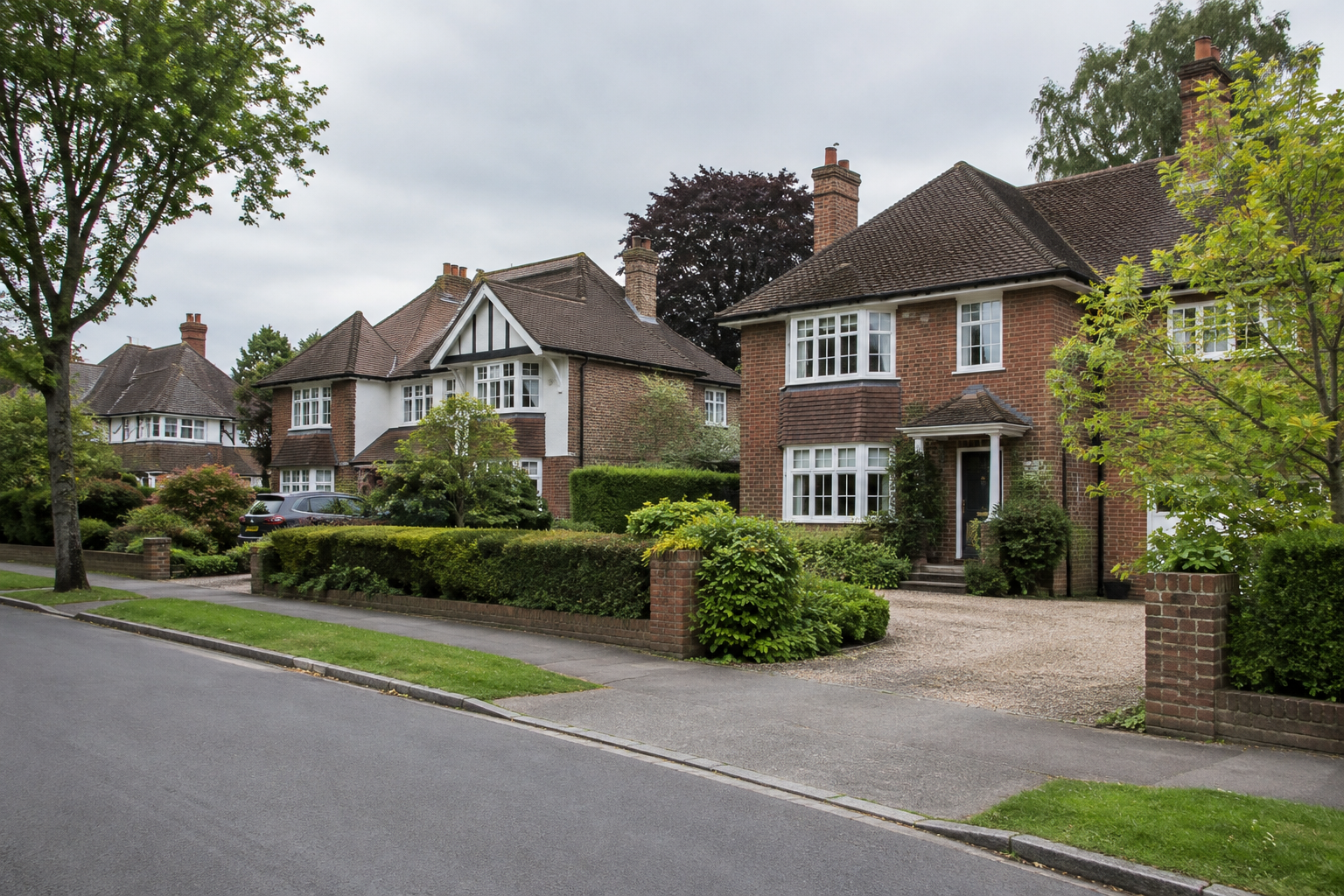
Ministers have reportedly rejected lowering the proposed mansion tax threshold to £1.5m for homes in England, leaving a £2m starting point ahead of the 28 October Budget. The High Value Council Tax Surcharge remains scheduled to begin in April 2028.
The Treasury has yet to formally confirm that position, according to Accountancy Age. For private client accountants, the immediate planning issue concerns properties close to the proposed entry point: Knight Frank estimates that 73,600 homes are worth between £1.8m and £2.2m.
What happened
Reports in September suggested the Treasury was considering cutting the threshold by £500,000. That would have increased the estimated number of homes within scope from about 134,000 to 271,000, with London accounting for roughly half of the larger total.
Subsequent reporting indicates that ministers have abandoned that extension. The distinction remains important for advisers: a reported decision ahead of the Budget does not amount to a formal Treasury announcement, and clients cannot yet treat the threshold as settled policy.
Government consultation documents set out four proposed annual charges. Homes valued from £2m to £2.5m would attract a £2,500 surcharge, while those in the £2.5m to £3.5m range would face £3,500.
The proposed charge rises to £5,000 for properties worth between £3.5m and £5m. For homes valued at £5m or more, the annual amount would be £7,500.
These payments would be additional to ordinary council tax rather than a replacement for it. A valuation that brings a previously excluded home into the lowest band would therefore create a separate annual outgoing for its owner.
The background
The government's consultation closed in July. The subsequent discussion about a lower entry point widened the potential reach of the proposal beyond the properties originally expected to fall within it.
Estate agency group Yopa estimated that a £1.5m threshold would have brought 11,316 London properties advertised for sale into scope. That represented 9.4% of the capital's available housing stock, a measure of current listings rather than all homes.
Knight Frank's research identified 222,800 properties around the possible £1.5m boundary where valuation could determine liability. Its separate estimate for the £1.8m–£2.2m range shows that retaining the higher starting point would still leave a substantial number of owners close to the line.
The Valuation Office Agency will assess properties through a combination of automated valuation models, evidence from comparable sales and oversight by professional valuers. The process is therefore not based solely on an owner's purchase price or their assessment of the home's current worth.
Automated models draw heavily on historic transactions and regional price movements. Those inputs may not fully capture a property's internal condition, structural alterations that have not been recorded, or a downturn confined to a small local market.
The consequences extend beyond the initial £2m threshold. For homes near £2.5m, a disputed valuation could determine which of the first two annual charges applies, making the accuracy of band allocation relevant even where liability itself is not in doubt.
What people are saying
Backbench MPs objected to the suggested £1.5m starting point because it could bring ordinary suburban family homes into a regime intended for expensive prime property. Their concern centred on the types of homes that would be caught, rather than simply the number of additional taxpayers.
The wider debate over tax costs also includes Marks & Spencer and John Lewis pressing for Budget relief. The residential surcharge presents a different issue for business owners: it concerns personal property costs rather than the operating tax bill of their company.
For advisers assessing borderline homes, the case for an independent RICS valuation rests on establishing evidence before an official band is assigned. A contemporary assessment supported by comparable transactions could provide a documented starting point for a later challenge to an inaccurate valuation.
The consultation documents also propose payment deferral for qualifying owners with limited income. That would address the position of people whose housing wealth is substantial but whose available cash is insufficient to meet another recurring bill; it should not be treated as an exemption from the proposed charge.
What happens next
The 28 October Budget is the next point at which advisers will look for an official position on the threshold. It approaches amid wider scrutiny of the economic outlook, including a forecast of a 0.1% contraction ahead of the Budget.
Before the planned April 2028 introduction, practices can identify clients with homes in the £1.8m–£2.2m range and monitor further valuation guidance. That review would help distinguish owners needing detailed evidence from those whose properties sit comfortably outside the proposed boundary.
Personal cash-flow forecasts also need to distinguish property wealth from money available to pay the charge. The proposed annual amounts are relevant to pension drawdown calculations and liquidity planning, particularly for owners who may need to investigate the consultation's deferral provisions.
Ownership changes require a separate tax assessment. The surcharge would attach to the market value of the dwelling, not the value of each owner's equity share, so transferring a fractional interest would not lower the property's overall valuation.
Splitting title deeds or transferring part of a property should therefore not be assumed to remove exposure. Restructuring undertaken in an attempt to avoid the surcharge could instead create Capital Gains Tax or Stamp Duty Land Tax liabilities.
Timeline
July 2026
Government consultation on the proposed High Value Council Tax Surcharge closes.
September 2026
Reports suggest the Treasury is considering lowering the entry threshold to £1.5m.
13 October 2026
Reports indicate ministers have rejected the lower threshold; formal Treasury confirmation remains outstanding.
28 October 2026
Budget is due, with advisers awaiting an official position on the threshold.
April 2028
The surcharge is scheduled to take effect.
Why this matters
For business owners and directors with valuable homes, the proposed surcharge creates a personal cash-flow obligation separate from their company's finances. Properties near £2m warrant particular attention because valuation evidence could determine whether an annual charge applies. Accountancy practices also face decisions about client reviews, liquidity forecasts and possible deferral arrangements before April 2028. Changes to ownership are not a straightforward solution: the proposal concerns the dwelling's value, while transfers could generate other tax liabilities.
Frequently asked questions
- Has the £1.5m mansion tax threshold been dropped?
- Reports indicate that ministers have rejected lowering the proposed threshold to £1.5m. The Treasury has not formally confirmed its position ahead of the 28 October Budget.
- When would the mansion tax start?
- The High Value Council Tax Surcharge remains scheduled to begin in April 2028, following the closure of the government consultation in July.
- How much would the mansion tax cost each year?
- The proposed annual charges are £2,500 for £2m–£2.5m homes, £3,500 for £2.5m–£3.5m homes, £5,000 for £3.5m–£5m homes and £7,500 for homes worth £5m or more.
- Would the mansion tax replace council tax?
- No. The proposed High Value Council Tax Surcharge would be payable in addition to standard local council tax.
- Who would value homes for the mansion tax?
- The Valuation Office Agency would use automated valuation models, comparable sales evidence and professional valuer oversight. Independent RICS valuations could help owners establish evidence if they later challenge an incorrect band.
- Could owners with low incomes defer the mansion tax?
- Government consultation documents propose a deferral option for qualifying owners with limited income. It is a proposed payment arrangement, not an exemption from the surcharge.
- Would transferring part of a home avoid the mansion tax?
- The proposed surcharge attaches to the dwelling's market value, not individual ownership shares. A fractional transfer would not reduce that valuation and could create Capital Gains Tax or Stamp Duty Land Tax liabilities.
In this story
Topics: mansion tax · £2m mansion tax threshold · High Value Council Tax Surcharge · mansion tax April 2028 · mansion tax valuation · mansion tax payment deferral · All Business Wealth news →
Original reporting: Accountancy Age. This article is an independent write-up by British Business Echo.
Latest from the newsdesk
- Banking & Lending
Purbeck guarantee insurance applications rise 62%
- Economic Changes Affecting SMEs
Barclays: September spending rises 2% as fuel costs climb
- Profitability
Companeo guide sets out ways to cut business overhead costs
- Commercial Property
HMV to close Oxford Street flagship after rent doubling proposal
- E-commerce
John Lewis and department stores gain fashion search share