Insolvency & Restructuring
Poundland rescue crisis threatens jobs and suppliers
Nearly 12,000 jobs face uncertainty after a management rescue bid failed, with an insolvency expert warning of pressure on suppliers.

By Tom Ashworth, North West Correspondent ·
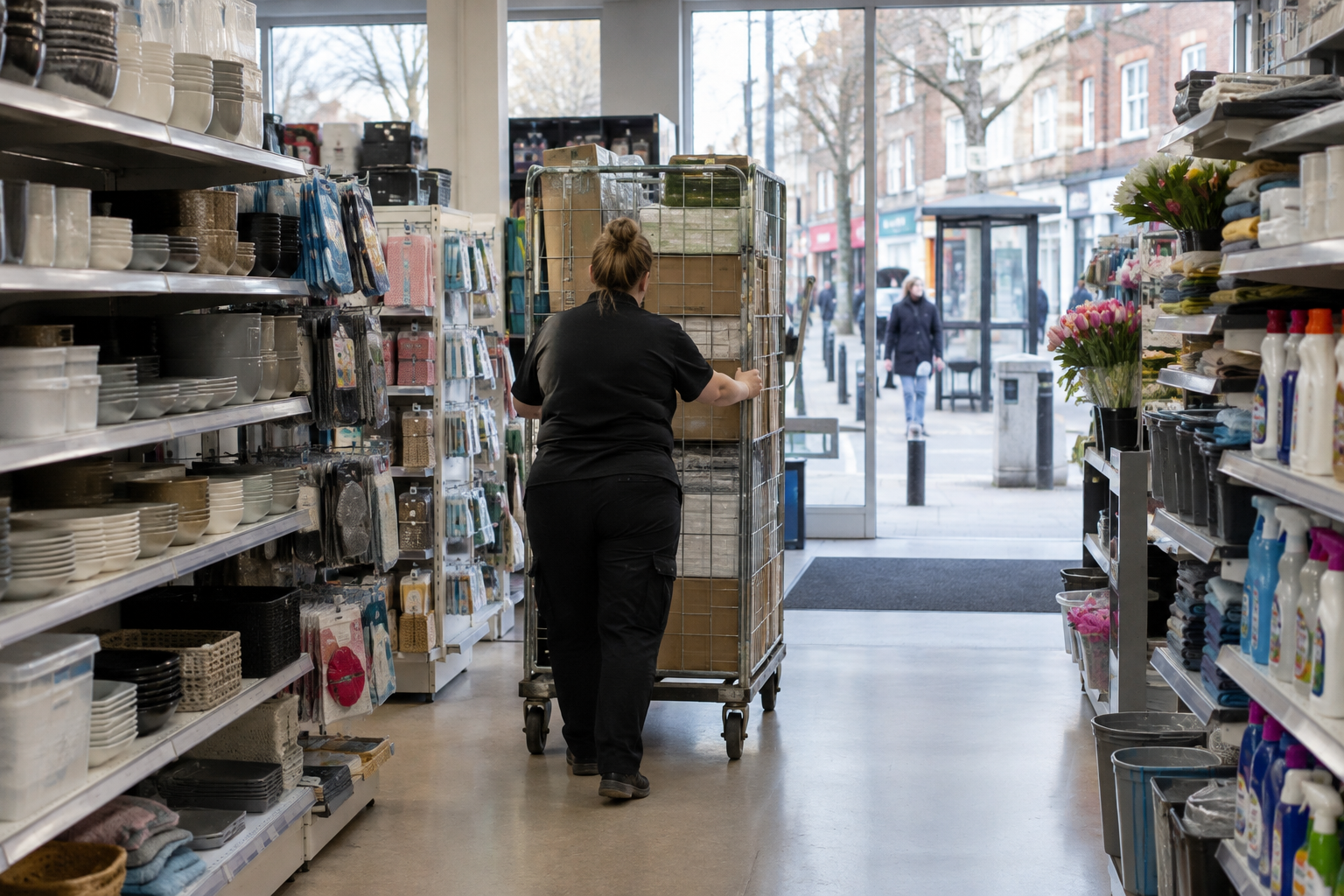
Poundland faces possible administration within days after owner Gordon Brothers rejected a management-led rescue, leaving nearly 12,000 staff facing uncertainty at the discount retailer, which operates across the UK and Ireland.
The failed proposal had backing from Ireland-based Martin Property Group. As reported by BusinessCloud on 6 November, the uncertainty also extends to a supplier base employing about 18,000 people, prompting a warning from insolvency specialist Molly Monks about the exposure of businesses dependent on the chain.
What happened
The management buyout foundered over a requirement for any purchaser to repay a £30m shareholder loan in full. The proposal would have preserved Poundland’s workforce and potentially protected businesses supplying the retailer.
A different bidder has reportedly proposed repaying £12.5m of that debt and deferring the balance. That would leave £17.5m outstanding rather than meet the demand for full repayment at the point of sale. The bidder has not been named in the report.
Poundland filed a notice of intention to appoint administrators last Thursday. That provided a 10-day window of protection from creditors while it sought a rescue agreement; the filing was not itself confirmation that administrators had been appointed.
The loan terms are therefore central to the negotiations, alongside the question of whether a buyer can preserve the business. The reported alternative offers a different repayment timetable, but there is no confirmation that Gordon Brothers has accepted it.
The background
US investment group Gordon Brothers acquired Poundland from Pepco Group for £1 last summer. The owner says the retailer has experienced several years of instability and continues to face a fragile trading position.
Poundland has 600 stores across the UK and Ireland. Its estate gives it a presence in town centres and shopping centres, where its shops provide low-cost goods and attract customers who may also use neighbouring businesses.
The latest uncertainty comes against a mixed retail backdrop. Separate reporting on BDO’s October retail figures showed online sales driving 4.6% growth, while Sensormatic recorded a 29% Halloween footfall rise. Neither measure resolves the financing and ownership questions facing Poundland.
Supplier exposure varies considerably. Some businesses serve Poundland exclusively, while others depend on the chain for most of their trade. For those with no other customers, the loss of the retailer would threaten their entire revenue base, rather than simply reduce sales.
Monks, of insolvency practice Parker Walsh, also points to spending suppliers may already have committed before receiving payment. Manufacturing goods, moving stock and completing deliveries can all absorb cash that businesses then need to recover through their invoices.
What people are saying
Monks warns that delayed or missing payments could leave suppliers struggling to meet wages, rent and bills owed to their own trading partners. That creates a route through which Poundland’s financial problems could spread beyond its immediate contractors.
Smaller businesses may have limited capacity to absorb either a large unpaid balance or the sudden loss of a major customer, she says. The danger is not confined to future orders: money already spent fulfilling existing commitments can also leave suppliers exposed.
For the high street, Monks identifies potential consequences for landlords, shoppers and nearby traders if stores close. Businesses benefiting from visits to Poundland could lose passing trade, while consumers could lose a local source of affordable shopping.
Business Secretary Jonathan Reynolds held talks with Gordon Brothers this week and pressed the owner to safeguard employees’ livelihoods. The discussions took place as the retailer continued trying to secure a deal within the creditor-protection window.
Gordon Brothers says its sale process has sought to retain as many jobs as possible while preserving value. It presents the interests of employees, creditors and the communities served by Poundland as central to its assessment of the available options.
What happens next
Potential purchasers are examining parts of the store estate as well as proposals involving the wider business. Tesco is considering an offer for up to 150 shops, equivalent to a quarter of Poundland’s 600 UK and Ireland locations.
Fortress, which owns Poundstretcher, is reportedly interested in acquiring 250 stores. Other parties identified as interested include Iceland, Lidl, B&M and CDS Superstores, the owner of Wilko and The Range. These expressions of interest are not completed transactions.
The distinction between rescuing the company and selling groups of shops remains important. A restructuring or break-up could involve different outcomes across the estate, rather than preserve Poundland in its existing form.
Monks says a credible rescue needs to address operating costs, the suitability of the store portfolio, supplier relationships and the cash required to keep trading. Her concern is whether an agreement can establish a viable business rather than defer its financial difficulties.
She also urges an early assessment of the underlying finances. Prolonged uncertainty, she warns, makes it harder for suppliers to plan their own commitments and take steps to protect their businesses.
Why this matters
Poundland’s difficulties expose the risks facing businesses whose income depends heavily on one customer. Suppliers may have paid to manufacture and deliver goods before collecting invoices, leaving their own wages, rent and creditor payments vulnerable if receipts stop. For directors, the immediate issue is both outstanding debt and the loss of future orders. Store closures would also affect landlords and neighbouring traders, making the outcome of the rescue talks significant beyond the retailer’s workforce.
Frequently asked questions
- Is Poundland going into administration?
- Poundland could enter administration within days, according to the report dated 6 November. It filed a notice of intention to appoint administrators, giving it 10 days of creditor protection to pursue a rescue.
- Why did Poundland’s rescue bid fail?
- The management-led proposal, backed by Martin Property Group, failed over a requirement for a buyer to repay a £30m shareholder loan in full.
- How many Poundland jobs are at risk?
- Nearly 12,000 Poundland staff face uncertainty. The retailer also supports a supplier base employing about 18,000 people, although that does not mean every supplier job will be lost.
- Who owns Poundland?
- US investment group Gordon Brothers owns Poundland. It acquired the retailer from Pepco Group for £1 last summer, according to the report.
- Is Tesco buying Poundland stores?
- Tesco is considering a bid for up to 150 of Poundland’s 600 UK and Ireland stores. No completed purchase is reported.
- Who else is interested in Poundland shops?
- Fortress, the owner of Poundstretcher, is reportedly interested in 250 stores. Other interested parties include Iceland, Lidl, B&M and CDS Superstores, which owns Wilko and The Range.
- How could Poundland’s problems affect suppliers?
- Insolvency specialist Molly Monks warns that unpaid invoices or lost orders could undermine suppliers’ ability to pay wages, rent and other creditors. Some suppliers depend entirely on Poundland, while others rely on it for most of their business.
In this story
Topics: Poundland rescue · Poundland administration · Poundland jobs at risk · Poundland suppliers · Gordon Brothers Poundland · Tesco Poundland stores · Poundland shareholder loan · All Insolvency & Restructuring news →
Original reporting: BusinessCloud. This article is an independent write-up by British Business Echo.
Latest from the newsdesk
- E-commerce
Meta launches Muse shopping agent with major UK retailers
- Funding & Business Finance
British Business Bank takes £43m Oxford Science Enterprises stake
- Business Mistakes / Lessons Learned
Next business data accessed in supplier cyberattack
- Business Growth
UK pork producers secure Vietnam access and Philippines deal
- Business Regulation
HSE tools help small firms check health and safety duties
Related stories

Poundland appoints three directors as rescue bids assessed
New independent directors will hold a board majority as Poundland weighs whole-business and partial bids, with around 12,000 jobs at stake.

John Irvin handed 15-year ban over Atherton insolvency scheme
The businessman received more than £1.1m from two companies behind a scheme that put creditors of distressed businesses at risk.

Ultraleap and owner Roli enter administration
The South West technology business raised more than £120m before its takeover by Roli in late 2025. Both companies now have administrators.

Clark Sinclair shut down over misleading £1 company sales
The Manchester company received £123,052 from customers after promoting share sales as a way for directors to avoid insolvency scrutiny.