Tax Changes
Machine Games Duty rise faces scrutiny over £458m forecast
Internal comments in a think-tank report raise questions over employment assumptions as gambling operators warn against another tax increase.

By Priya Nair, Finance & Tax Reporter ·
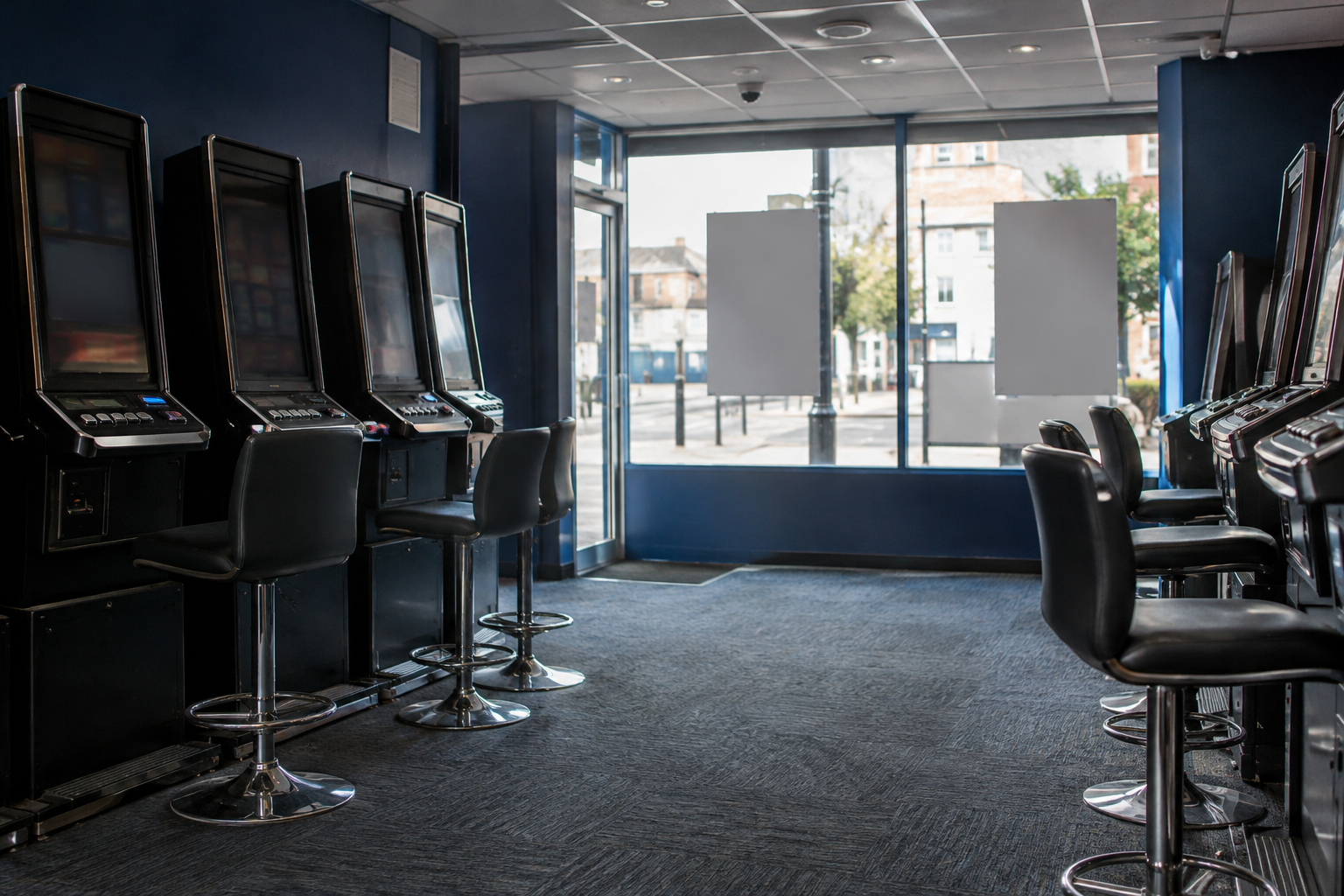
A proposal to double Machine Games Duty across UK gambling venues is facing scrutiny a week before the Budget, with campaigners claiming it could raise £458m annually and the industry warning of closures and job losses.
Internal comments attached to a draft Social Market Foundation report reveal questions about its employment assumptions, as first reported by City AM. Chancellor John Healey is considering an increase in the duty, although neither the proposed doubling nor a smaller rise has been confirmed.
What happened
The Social Market Foundation (SMF) wants the duty increased from 20% to 40%. It argues that the additional tax could generate up to £458m a year while helping to tackle gambling-related harm.
Machine Games Duty applies to gambling machines in betting shops, casinos and other venues. The proposal therefore reaches beyond online gambling, which was targeted by tax increases announced in the previous Budget.
The dispute centres on a draft report reportedly published with internal editorial comments still attached. Those exchanges show the think-tank’s director questioning how confidently the analysis could claim that employment elsewhere would compensate for jobs lost when gambling premises closed.
The draft also recognised that operators could respond to a higher tax bill by shutting venues. Its chief economist confirmed that bingo halls and seaside arcades would be affected, extending the potential impact beyond bookmakers and casinos.
The Betting and Gaming Council (BGC), which represents the industry, said the exchanges raised concerns about the evidence behind the proposal. It questioned whether the implications for businesses, workers and high streets had been fully assessed.
The gambling dispute sits alongside other pre-Budget business tax demands, including calls from Marks & Spencer and John Lewis for tax relief. The issue for gambling venues is whether an increase intended to raise revenue would also accelerate closures.
The background
Operators are already reducing their shop estates and staffing following the previous Budget’s gambling tax changes. However, betting shop numbers have been falling for years as customers move online, making it difficult to establish how much of that contraction is attributable to taxation.
Evoke, the owner of William Hill, said on Thursday that it had closed 270 shops over the preceding year. The company used its trading update to urge ministers to take those closures into account before imposing further increases.
Its third-quarter revenue fell 7% to £406m. Tax was not the only pressure described in the update: favourable results for customers at the beginning of the football season also contributed to the decline.
Earlier in the week, Paddy Power owner Flutter announced plans to remove around 1,400 jobs across the UK and Ireland. It said the reductions were intended to offset higher gambling duties; that figure covers both countries rather than the UK alone.
The previous Budget increased the tax on online casino profits from 21% to 40%. Online sports betting duty is also due to rise to 25% in 2027, adding a scheduled change to the sector’s longer-term planning.
Those online measures concern a different part of the market from the proposed Machine Games Duty increase. For directors considering future tax exposure, the sector-specific proposals sit alongside the wider corporation tax planning outlook through 2027.
What people are saying
SMF director Theo Bertram challenged the draft’s confidence that workers displaced by venue closures would secure employment elsewhere. His comments asked for the basis of that assumption rather than disputing that closures could occur.
Chief economist Gideon Salutin responded that the analysis did not promise alternative jobs for individual workers affected. He nevertheless maintained that employment across the economy would increase, distinguishing the aggregate forecast from the prospects of those losing their existing roles.
The BGC said the draft exchanges reinforced its warnings about further taxation. It cited independent modelling it commissioned from EY, which estimated that doubling the duty could put almost 1,500 betting shops and 34 casinos at risk and cost up to 16,000 jobs.
That modelling also forecast that the Treasury could be £124m worse off. It presents a sharply different fiscal assessment from the SMF’s estimate of up to £458m in additional annual revenue; neither figure is a confirmed outcome.
Supporters of higher duties continue to argue that the measure could both raise substantial revenue and reduce gambling-related harm. The employment and revenue forecasts remain contested, with the draft comments exposing uncertainty rather than settling the dispute.
Evoke’s chief executive attributed its shop closures to higher industry taxation and urged the Government to weigh the consequences for jobs and livelihoods. The company’s position comes against the longer-running shift towards online betting, which complicates any direct link between tax changes and individual closures.
The BGC also warned that further increases could encourage customers to use illegal operators. It estimates that those operators already take £16.6bn in annual stakes; that is the body’s estimate of money wagered, not a figure for lost tax receipts.
What happens next
The next decision point is Wednesday’s Budget. Reports suggest the Treasury could raise Machine Games Duty to 25%, rather than adopt the SMF’s proposed 40% rate, but no decision has been announced.
The competing forecasts cited in the dispute concern a doubling of the duty. They do not establish the revenue or employment effects of the smaller increase reportedly under consideration, leaving the eventual rate central to assessing the impact.
The proposal remains part of a wider set of pre-Budget tax choices, alongside reports that capital gains tax alignment has been rejected. For gambling operators, the immediate uncertainty is whether ministers will add a new charge on machine-based activity to the online tax changes already announced.
Why this matters
For directors of betting shops, casinos, bingo halls and arcades, the Budget could change the tax burden on machine-based gambling while operators are already cutting premises and staffing. The competing forecasts offer sharply different assessments of revenue and employment, and neither establishes the effect of the smaller 25% rate reportedly being considered. Decisions about venue investment and staffing therefore depend on the final policy, not simply the headline £458m revenue estimate.
Frequently asked questions
- What is the proposed Machine Games Duty increase?
- The Social Market Foundation proposes increasing Machine Games Duty from 20% to 40%. It estimates the change could raise up to £458m annually while helping to address gambling-related harm.
- Has the Government confirmed a Machine Games Duty rise?
- No increase has been confirmed. Chancellor John Healey is considering a change ahead of Wednesday’s Budget, with reports suggesting a smaller rise to 25% could be chosen.
- Which businesses would higher Machine Games Duty affect?
- The proposal would affect gambling machines in betting shops, casinos and other venues. The Social Market Foundation’s draft exchanges also identified bingo halls and seaside arcades as affected businesses.
- Why is the £458m gambling tax forecast being questioned?
- Internal comments in a draft Social Market Foundation report questioned assumptions about employment after venue closures. The Betting and Gaming Council said the exchanges raised concerns about whether the wider economic consequences had been fully assessed.
- How many jobs could be affected by doubling Machine Games Duty?
- EY modelling commissioned by the Betting and Gaming Council estimates up to 16,000 job losses, with almost 1,500 betting shops and 34 casinos at risk. Those forecasts are contested and are not confirmed outcomes.
- Why has William Hill closed betting shops?
- Owner Evoke attributed 270 closures over the past year to higher industry taxation. However, betting shops have also faced a long-running shift towards online gambling, making the direct effect of tax difficult to isolate.
- What other gambling tax increases have been announced?
- The previous Budget raised the tax on online casino profits from 21% to 40%. Online sports betting duty is due to increase to 25% in 2027.
In this story
Topics: Machine Games Duty · Machine Games Duty increase · £458m gambling tax proposal · gambling tax Budget · betting shop closures · Social Market Foundation gambling tax · Betting and Gaming Council tax warning · All Tax Changes news →
Original reporting: City AM. This article is an independent write-up by British Business Echo.
Latest from the newsdesk
- E-commerce
Meta launches Muse shopping agent with major UK retailers
- Funding & Business Finance
British Business Bank takes £43m Oxford Science Enterprises stake
- Business Mistakes / Lessons Learned
Next business data accessed in supplier cyberattack
- Business Growth
UK pork producers secure Vietnam access and Philippines deal
- Business Regulation
HSE tools help small firms check health and safety duties
Related stories

R&D tax credits: merged scheme offers 20% expenditure credit
UK companies can claim a 20% expenditure credit under the merged R&D scheme, with separate support for qualifying loss-making SMEs.

Founders’ Relief faces criticism over startup growth rules
Economists warn ownership and growth tests could distort business decisions under John Healey’s proposed £10m capital gains tax relief.

Treasury Budget widens rates relief but leaves NI unchanged
Around 70,000 more businesses will escape rates from April 2027, but employers face higher wages without a National Insurance reduction.

Healey halves Business Asset Disposal Relief limit to £500,000
The Chancellor also announces a 10% founders’ relief on lifetime gains of up to £10m, with advisers warning that eligibility will be crucial.