Property Investment
Commonhold bill proposes £250 ground rent cap and leasehold ban
Proposed leasehold reforms divide property specialists, with concerns over development finance, building costs and the shift to resident ownership.

By Tom Ashworth, North West Correspondent ·
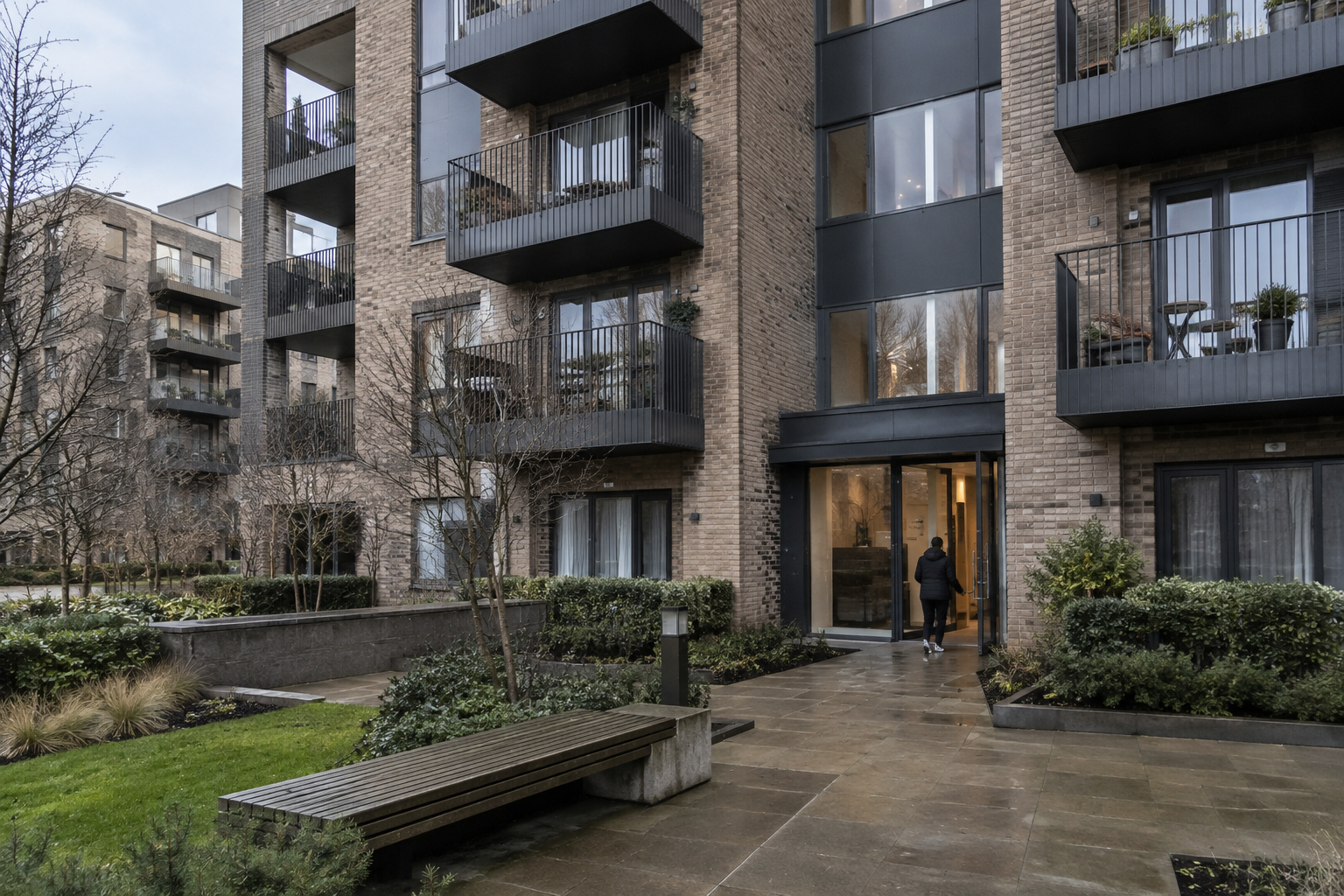
The government has introduced the Commonhold and Leasehold Reform Bill to Parliament, proposing a £250 annual ground rent cap from 2028 and an end to leasehold ownership for new flats and houses.
The legislation has reached its first reading, but property specialists are divided over whether replacing leasehold will improve apartment ownership or create additional difficulties for developers, lenders and residents. Those differences emerged in interviews reported by Place North West.
What happened
The bill would make commonhold the standard ownership model for new residential development. Under that arrangement, owners would have neither ground rent obligations nor a third-party landlord.
For existing buildings, the support needed to convert to commonhold would fall from unanimous resident agreement to 50%. Residents who did not consent could remain on modified leases until they sold their properties, allowing conversion without requiring every owner to change tenure immediately.
The proposals would also remove landlords’ ability to take away leaseholders’ homes over small unpaid bills and maintenance charges. Those disputes would instead be dealt with through the courts.
Homeowners would be able to buy lease extensions lasting 990 years. A separate provision would strengthen leaseholders’ rights to a gigabit broadband connection, extending the bill beyond ownership and payment arrangements.
None of these proposals has yet become law through this bill. Its early parliamentary stage leaves scope for substantial changes before adoption, including to the arrangements governing the transition between ownership models.
The background
Commonhold is already available, rather than being a tenure created by the proposed legislation. Richard Glover, a partner in JMW’s commercial litigation team, supported lowering the conversion threshold but questioned why that change required a wider replacement of the existing system.
He pointed to resident management companies as evidence that leaseholders can already take responsibility for their buildings. In some developments, leaseholders serve as company directors and oversee management through those structures.
The financial position of freeholders has also changed. Glover argued that earlier ground rent reforms and obligations under the Building Safety Act had reduced the appeal of holding a freehold purely for income, while increasing the responsibilities attached to it.
Leigh Shapiro, a partner at Winckworth Sherwood, highlighted the Ground Rent Act of 2022, which ended ground rents for most new long residential leases. She said developers were already working on the basis that residents would run their buildings.
Some developments shaped by that legislation were only now reaching completion, she added. As a result, the market had not yet experienced its full effect, making the proposed overhaul another change before the consequences of the earlier reform had fully emerged.
What people are saying
Glover agreed with the objectives of improving leaseholders’ position but considered much of the new framework unnecessary. His argument was that existing legislation could deliver similar protections without the time, expense and contractual disruption involved in a broader change of tenure.
He also challenged the suggestion that landlords and managing agents were uniformly responsible for poor outcomes. While acknowledging serious failings among some agents, he argued that regulation of managing agents could address opaque service charges and undisclosed commissions without replacing the ownership system.
Shapiro’s principal concern was that commonhold could raise expectations of savings that building managers would be unable to deliver. Cladding remediation, higher insurance premiums and rising staff costs would remain payable regardless of who owned or controlled the building.
She did not expect commonhold to make a building cheaper to operate than an existing well-managed property. For buyers, that distinction separates the removal of ground rent from the continuing expense of repairing, staffing and maintaining shared residential space.
On development, Glover warned that uncertainty and the time needed to understand new rules could increase costs. He also raised the possibility of weaker interest in building commonhold schemes, or higher apartment prices to compensate for lost ground rent income.
Shapiro took a different view of that income risk. Because the 2022 legislation had already required developers to account for the loss of ground rent, she expected a more limited additional effect from that part of the proposals.
Her concern instead centred on confidence in how apartments would be marketed, sold and conveyed. Developers, purchasers, sales teams and property managers would all need to understand the new arrangements, adding a practical challenge to bringing schemes forward.
Suzanne Benson, national head of real estate at Trowers & Hamlins, welcomed the consumer focus behind efforts to reduce the cost of apartment ownership. However, she warned that maintaining apartment blocks would remain expensive and that mortgage finance for commonhold was not yet widely available.
Benson also identified development funding as a separate issue from buyers’ mortgages. Leasehold structures remain widely used to attract residential investment, she said, so a move towards commonhold would require funders and developers to adapt their arrangements.
Resident decision-making presented another potential difficulty for Shapiro. Commonhold depends on people volunteering to manage their building properly, despite neighbours potentially having different priorities and financial interests.
She questioned draft wording allowing resident-company directors discretion over enforcing decisions in the majority’s interests where a less confrontational approach might be preferred. In her view, some owners might value a third party between neighbours rather than taking on those disagreements directly.
Greg Malouf, chief executive of housebuilder Romal Capital, was more supportive. He argued that excessive ground rents had imposed costs without corresponding benefits for homeowners, and that reducing those charges could make apartments more affordable and attractive to buyers.
Malouf also linked stronger confidence in apartment ownership to continued urban regeneration. His support nevertheless came with a condition: the practical and financial responsibilities of maintaining complex residential buildings must remain central to the replacement framework.
What happens next
The bill must complete further parliamentary scrutiny before its proposals can take effect. The stated 2028 start for the ground rent cap is therefore part of the proposed timetable, not confirmation that the wider package has been enacted.
Benson wants development funding to form a significant part of that scrutiny. Her concern is how the sector would preserve access to investment while moving away from leasehold structures on which funders currently rely.
For Malouf, implementation needs clear guidance covering developers, lenders, managing agents and homeowners. Shapiro’s assessment also remains dependent on the eventual legislation and its delivery, particularly how ownership, sales and resident management would work in practice.
Why this matters
For developers, property investors and managing agents, the proposals affect more than ground rent income. A shift to commonhold would require changes to funding, sales processes and building management, while insurance, staffing and maintenance bills would remain. The 2022 ground rent legislation has already altered development assumptions, but commonhold mortgage availability remains a concern. Directors assessing residential schemes face a distinction between potential savings for buyers and the continuing costs and responsibilities of operating apartment blocks.
Frequently asked questions
- What is the Commonhold and Leasehold Reform Bill?
- It is proposed legislation that would replace leasehold with commonhold for new flats and houses, cap ground rents and strengthen existing leaseholders’ rights. It has reached its first reading in Parliament.
- When would the £250 ground rent cap start?
- The bill proposes a £250 annual ground rent cap from 2028. That date remains subject to the legislation completing its parliamentary passage.
- Would the bill abolish all existing leases?
- The proposed ban concerns new flats and houses. Existing buildings could convert to commonhold with 50% support, while non-consenting residents could retain modified leases until they sold.
- What is commonhold ownership?
- Commonhold is an ownership model without ground rent or a third-party landlord. It already exists, but the bill would make it the standard for new residential development.
- Would commonhold reduce apartment running costs?
- Winckworth Sherwood partner Leigh Shapiro warned that commonhold would not remove cladding remediation, insurance or staffing costs. She did not expect it to be cheaper to operate than an existing well-managed property.
- How long would lease extensions last under the bill?
- The proposals would allow homeowners to buy lease extensions lasting 990 years.
- Why are developers concerned about commonhold funding?
- Trowers & Hamlins’ Suzanne Benson said leasehold structures remain widely used to attract residential development funding. She also warned that mortgages for commonhold properties are not yet widely available.
- Could landlords still take homes over small unpaid bills?
- The bill would remove landlords’ powers to take leaseholders’ homes over small unpaid bills and maintenance charges. Those disputes would instead go through the courts.
In this story
Follow-up coverage
Topics: Commonhold and Leasehold Reform Bill · £250 ground rent cap · leasehold ban new flats · commonhold ownership · commonhold development funding · 990 year lease extension · leasehold reform 2028 · All Property Investment news →
Original reporting: Place North West. This article is an independent write-up by British Business Echo.
Latest from the newsdesk
- E-commerce
Meta launches Muse shopping agent with major UK retailers
- Funding & Business Finance
British Business Bank takes £43m Oxford Science Enterprises stake
- Business Mistakes / Lessons Learned
Next business data accessed in supplier cyberattack
- Business Growth
UK pork producers secure Vietnam access and Philippines deal
- Business Regulation
HSE tools help small firms check health and safety duties